
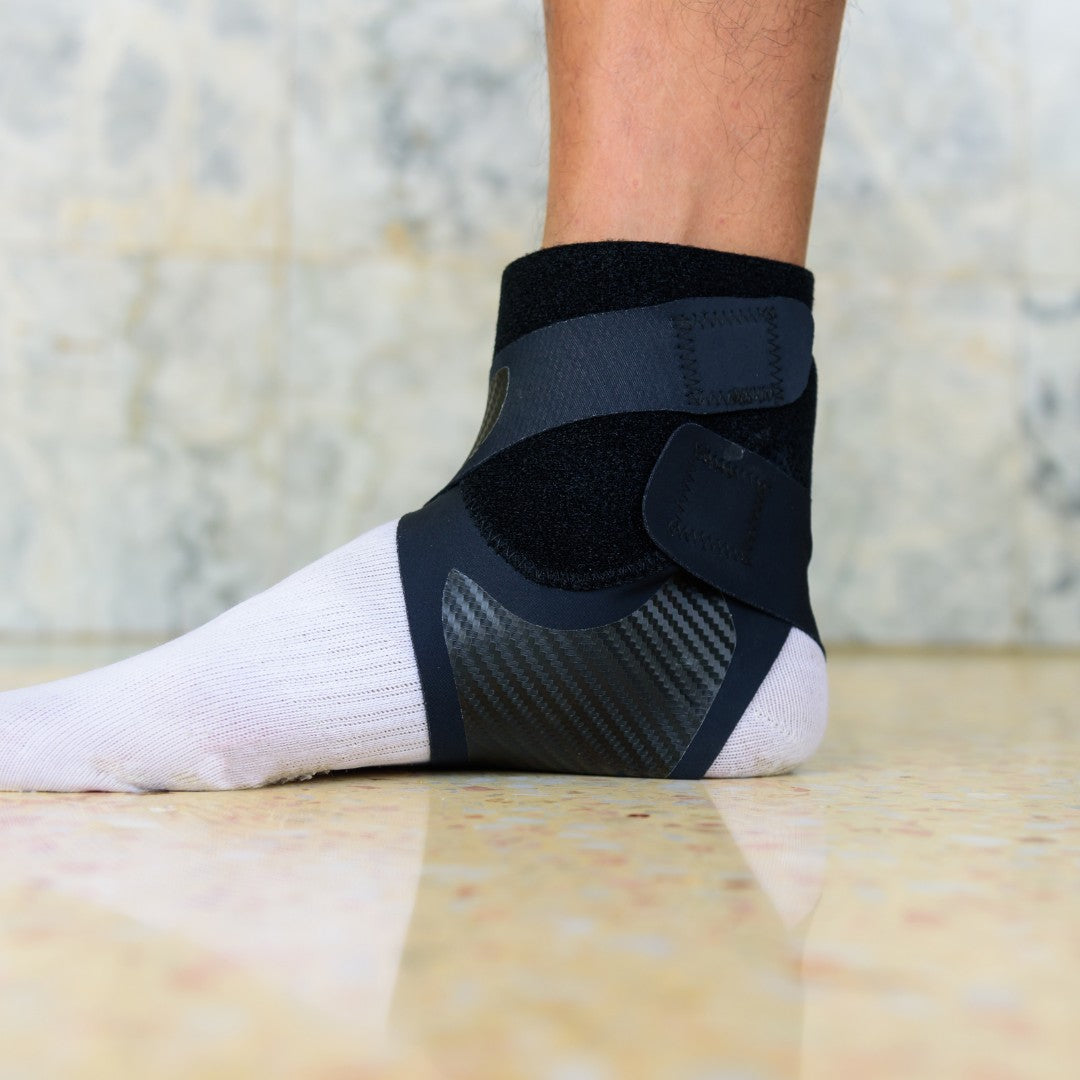
How to Choose the Right Ankle Brace for Basketball: A Complete Guide
Playing basketball can put a lot of strain on your ankles. Whether you're a professional athlete or a recreational player, wearing basketball ankle braces can provide the support and protection you need to prevent injuries. But with so many options available on the market, how do you choose the right one for you?
In this complete guide, we'll walk you through the process of selecting the perfect ankle brace for basketball. We'll cover important factors to consider, such as support level, fit, comfort, and materials. We'll also provide expert advice on how to properly measure your ankle and differentiate between the various types of ankle braces.
By the end of this guide, you'll have all the knowledge you need to make an informed decision and find the ankle brace that suits your playing style and needs. So, whether you're recovering from a previous basketball ankle injury or simply looking to prevent future ones, keep reading to learn how to choose the right ankle brace for basketball.
The importance of ankle support in basketball
Basketball is a high-impact sport that involves constant running, jumping, and pivoting. With all this movement, your ankles are vulnerable to injuries like an ankle sprain or inversion ankle sprains, which are particularly common in fast-paced games.
That’s why ankle support is crucial for athletes of all levels. Ankle braces provide stability and help prevent excessive movement that can lead to a sprained ankle, ankle pain, and even recurring ankle injuries. By wearing an ankle brace, you can improve confidence on the court while also supporting pain relief and long-term joint protection.
Understanding different types of ankle braces
Before diving into the process of choosing the right ankle brace, it's important to understand the different types available in the market. There are three main categories of ankle braces: lace up ankle brace styles, sleeve braces, and rigid braces.
1. Lace-up braces: These braces, often referred to as lace up braces, provide a high level of support and are ideal for players recovering from injury. Popular options like the mcdavid 195 ankle brace offer adjustable compression and stability.
2. Sleeve braces: These are lightweight fabric ankle braces made from breathable materials. They provide moderate support and are suitable for mild instability or everyday play.
3. Rigid braces: Also known as plastic hinged ankle braces, these offer maximum stability and are often used after a more serious basketball ankle injury. Designs like the ultra ankle or velocity ankle brace provide strong lateral support to reduce excessive movement.
Factors to consider when choosing an ankle brace
When choosing an ankle brace for basketball, several factors come into play. Consider the following aspects to ensure you select the right brace for your needs:
1. Support level: The level of support you require depends on your injury history. If you’ve experienced recurring ankle injuries, you may need a more structured brace.
2. Fit: Ankle braces should fit snugly without being too tight or restrictive. Look for braces that offer adjustable straps or laces to customise the fit. The brace should provide support without cutting off circulation or causing discomfort.
3. Comfort: Basketball games can be long and intense, so it's important to choose a brace that is comfortable to wear for extended periods. Look for braces with breathable materials and moisture-wicking properties to keep your feet dry and cool during play.
4. Materials: Ankle braces are made from various materials, including neoprene, nylon, and elastic. Consider your specific needs, such as breathability, durability, and flexibility, when selecting the material that suits you best.
5. Durability: Basketball is a demanding sport, so it's essential to choose a brace that can withstand the rigours of play. Look for braces with reinforced stitching and high-quality materials to ensure they last through the season.
By considering these factors, you can narrow down your options and find the ankle brace that best meets your requirements.
Determining the level of ankle support needed
The level of ankle support you need depends on various factors, including your injury history, ankle stability, and playing style. Here are three levels of ankle support to consider:
1. Prophylactic support: Ideal for players without prior injuries who want to prevent issues like an ankle sprain.
2. Rehabilitative support: Best for those recovering from a sprained ankle or dealing with ongoing ankle pain.
3. Functional support: Designed for players with chronic instability or recurring ankle injuries, offering maximum protection during play.
By understanding the level of ankle support needed, you can choose a brace that matches your specific requirements.
The best ankle braces for basketball players
Now that you know the importance of ankle support and the different types of braces available, let's explore some of the best ankle braces for basketball players:
1. McDavid Ankle Brace: A reliable lace up ankle brace that offers strong support and adjustability. It features adjustable straps for a customised fit and is highly recommended for individuals recovering from ankle injuries.
2. ASO Ankle Stabiliser: The ASO Ankle Stabiliser is a popular choice among basketball players due to its exceptional support and comfort. It combines the benefits of a lace-up brace with the convenience of a sleeve brace.
3. Bauerfeind Sports Ankle Support: A premium option among fabric ankle braces, offering comfort and targeted compression. It is made from breathable, moisture-wicking material for maximum comfort.
4. DonJoy Performance Bionic Ankle Brace: A high-support option similar to plastic hinged ankle braces. It features a rigid frame for maximum stability and adjustable straps for a personalised fit.
5. Zamst A2-DX Ankle Brace: Designed to provide maximum support and stability for your ankles on those sharp side to side movements. Used by some of the highest profile NBA players such as Steph Curry and Trey Young
6. Ultra Ankle and Velocity Ankle Brace: Popular choices for players needing extra lateral stability and protection during intense movements.
These are just a few examples of ankle braces that have received positive reviews from basketball players. Remember, the best ankle brace for you will depend on your specific needs and preferences.
Ankle brace features to look for
When selecting an ankle brace, consider the following features that can enhance its effectiveness:
1. Adjustability: Look for braces with adjustable straps or laces, as they allow you to customise the level of support and compression for a comfortable fit.
2. Breathability: Basketball can be intense, and your feet are likely to sweat. Opt for braces made from breathable materials that allow air circulation and wick away moisture.
3. Flexibility: While ankle braces need to provide support and stability, they should also allow for natural movement. Choose braces that offer a balance between support and flexibility.
4. Protection: Some ankle braces come with additional features such as reinforced side supports or gel padding for extra protection against impact or excessive ankle movement. Reinforced sides can reduce the risk of inversion ankle sprains.
5. Ease of use: Consider how easy it is to put on and take off the brace, especially during games or practices. Look for braces with user-friendly designs that allow for quick and hassle-free application.
By considering these features, you can find an ankle brace that meets your specific needs and enhances your performance on the basketball court.
How to properly fit an ankle brace
Proper fit is crucial for the effectiveness of an ankle brace. Follow these steps to ensure you get the right fit:
1. Measure your ankle: Use a measuring tape to determine the circumference of your ankle. Measure just above the ankle bone, around the narrowest part of your ankle.
2. Refer to the sizing chart: Each brand may have its own sizing chart, so refer to the manufacturer's guidelines to find the appropriate size based on your ankle measurement.
3. Try it on: Ensure it fits well inside your shoe without discomfort. Put on the brace and fasten any straps or laces according to the instructions provided. Ensure the brace feels snug and supportive without being overly tight or restrictive.
4. Test range of motion: Perform a few ankle movements to ensure the brace allows for a full range of motion while still providing the desired level of support.
Remember, an improperly fitted ankle brace may not provide the necessary support and may even cause discomfort or restrict movement. Take the time to find the right size and fit for optimal performance and injury prevention.
Ankle brace maintenance and care
To ensure the longevity and effectiveness of your ankle brace, proper maintenance and care are essential. Follow these tips:
1. Regular cleaning: Most ankle braces are machine washable. Follow the manufacturer's instructions for cleaning and drying to maintain hygiene and prevent odors.
2. Inspect for wear and tear: Regularly check your ankle brace for signs of wear and tear, such as fraying straps or loose stitching. Replace the brace if it becomes damaged for optimal support and protection.
3. Store properly: When not in use, store your ankle brace in a cool, dry place away from direct sunlight. This helps prevent deterioration and prolongs the life of the brace.
4. Avoid excessive stretching: Do not stretch your ankle brace beyond its intended limits, as this can degrade its effectiveness and compromise its support.
By taking care of your ankle brace, you can ensure it remains in good condition and provides the support you need throughout your basketball season.
Tips for preventing ankle injuries in basketball
While basketball ankle braces help, combining them with good habits is key:
1. Warm up: Always warm up before playing basketball to prepare your muscles and joints for the physical demands of the game. Incorporate dynamic stretches and exercises that target the ankles.
2. Strengthen your ankles: Perform exercises that specifically target the muscles surrounding the ankles, such as calf raises, ankle circles, and balance exercises. Stronger muscles provide better stability and reduce the risk of injuries.
3. Use proper footwear: Invest in high-quality basketball shoes that provide good ankle support and traction. Replace worn-out shoes to maintain optimal support and prevent slips.
4. Practice proper technique: Learn and practice proper landing, jumping, and pivoting techniques to minimise stress on the ankles. Avoid sudden direction changes that may increase the risk of ankle injuries.
5. Listen to your body: If you experience any pain or discomfort in your ankles, take a break and seek medical attention if necessary. Ignoring warning signs can lead to more severe injuries. Make sure to address ankle pain early.
By following these tips, you can further reduce the risk of ankle injuries and enjoy a safer and more fulfilling basketball experience.
With Everything Said and Done Braces ARE Game Changers
Choosing the right ankle brace for basketball is essential for protecting your ankles and preventing injuries. Whether you prefer lace up braces, fabric ankle braces, or more supportive plastic hinged ankle braces, the key is finding the right balance of comfort and stability.
Explore the different types of ankle braces available, such as lace-up braces, sleeve braces, and rigid braces, and consider the features that enhance their effectiveness. Make sure to properly measure your ankle and find the right fit for optimal support and comfort.
Maintain and care for your ankle brace to ensure its longevity and effectiveness. Additionally, implement preventive measures such as warming up, strengthening your ankles, using proper footwear, practicing proper technique, and listening to your body to further reduce the risk of ankle injuries.
With the right brace, you can manage pain relief, reduce the risk of recurring ankle injuries, and stay focused on your performance.
With the knowledge gained from this complete guide, you can confidently choose the right ankle brace for basketball and enjoy the game without the fear of ankle-related setbacks. Protect your ankles, enhance your performance, and elevate your basketball experience with the perfect ankle brace.
Share:
Unlocking the Power of Sunlight for Healthy Feet
What is Foot Bursitis and How is it Treated?
1 comment
I was a head coach for many years in girls basketball. Injuries were much fewer and less severe when wearing ankle braces. Many negative comments such as “they weaken ankles “ are often stated by people!