

Ongoing foot and ankle pain can make even simple daily activities uncomfortable. Conditions such as plantar fasciitis, Achilles pain, and chronic heel pain often linger despite rest, stretching, or basic treatments. When pain becomes persistent, more advanced options may be needed to stimulate healing and restore movement.
Shockwave therapy is used as an effective, evidence-based treatment to help accelerate healing in stubborn foot and ankle conditions, supporting patients to return to comfortable, pain-free movement sooner
Summary: Shockwave therapy is a non-invasive treatment that stimulates the body’s natural healing response in injured foot and ankle tissues. By increasing blood flow and encouraging tissue repair, it can reduce pain and improve function, particularly in chronic conditions that have not responded well to other treatments.
Summarize shockwave therapy insights
What is shockwave therapy?
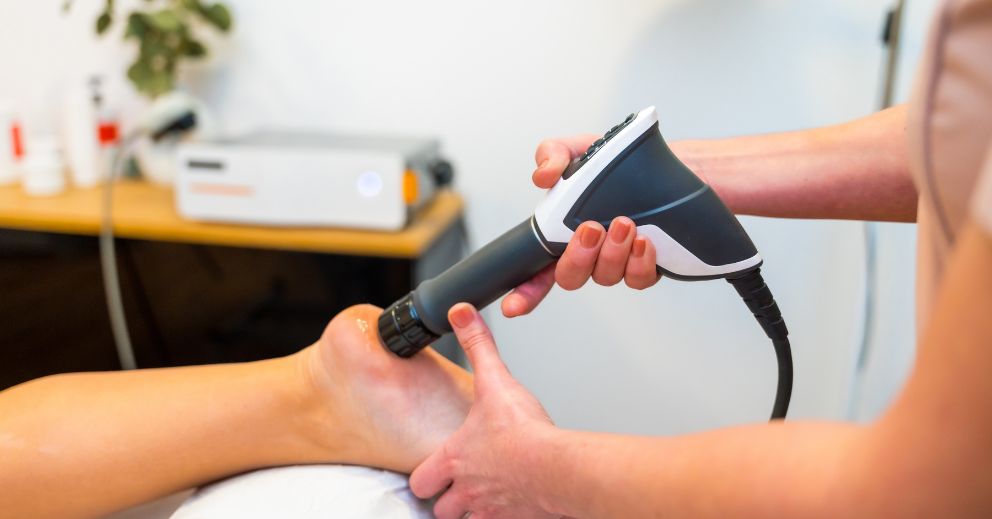
Shockwave therapy uses targeted acoustic waves delivered through the skin to affected tissues. These sound waves create a controlled micro-stimulation in the area, encouraging the body to initiate a healing response.
Unlike surgical or invasive treatments, shockwave therapy does not involve injections or incisions. Sessions are relatively quick and are usually performed as part of a broader treatment plan.
How shockwave therapy supports healing
Chronic foot and ankle pain often involves reduced blood flow and ongoing tissue irritation. Shockwave therapy helps address these issues by:
-
Increasing blood circulation to the injured area
-
Stimulating collagen production for tissue repair
-
Breaking down scar tissue and calcifications
-
Reducing pain sensitivity over time
This combination helps the body heal more effectively rather than simply masking symptoms.
Conditions commonly treated with shockwave therapy
Shockwave therapy is often used for foot and ankle conditions that are slow to heal or have become chronic.
These may include:
It is particularly beneficial when pain has been present for several months and has not improved with basic care alone.
What to expect during treatment
A shockwave therapy session typically lasts only a short time. The podiatrist applies a handheld device to the affected area, delivering controlled pulses.
You may feel mild discomfort during treatment, especially over sensitive areas, but this is usually well tolerated and brief. Most people can return to normal activities soon after each session, with guidance provided on activity modification if needed.
How quickly does shockwave therapy work?
Response times vary depending on the condition, severity, and individual healing capacity. Some people notice improvement within a few sessions, while others experience gradual progress over several weeks.
Shockwave therapy works by stimulating healing rather than providing instant relief, so improvement often continues even after treatment sessions are completed.
Why shockwave therapy is combined with podiatry care
While shockwave therapy is powerful, it is most effective when combined with proper assessment and supportive care. Addressing contributing factors such as foot mechanics, footwear, and load management improves long-term outcomes.
A tailored podiatry plan ensures the underlying cause of pain is managed, not just the symptoms.
Is shockwave therapy suitable for everyone?
Shockwave therapy is safe for many people, but it may not be suitable in certain situations. A professional assessment is essential to determine whether it is the right option for your specific condition.
Your podiatrist will discuss suitability, expected outcomes, and any alternative options if needed.
Advanced Relief for Ongoing Foot and Ankle Pain
If foot or ankle pain has been holding you back and standard treatments have not brought lasting relief, exploring advanced options may be worthwhile. Foot HQ offers shockwave therapy as part of a comprehensive podiatry approach, focused on promoting healing and supporting long-term improvement.
To see whether shockwave therapy may be suitable for you, get in touch with the Foot HQ team to arrange an assessment and discuss your treatment options.
Key takeaways
-
Shockwave therapy stimulates the body’s natural healing response
-
It is non-invasive and does not involve injections or surgery
-
Particularly effective for chronic foot and ankle pain
-
Supports tissue repair, circulation, and pain reduction
-
Best results occur when combined with professional podiatry care
FAQs about shockwave therapy
Is shockwave therapy painful?
Some discomfort can occur during treatment, but it is usually brief and well tolerated.
How many sessions are needed?
This varies by condition, but many treatment plans involve several sessions spaced over weeks.
Can I stay active during treatment?
In most cases, yes. Your podiatrist will provide guidance on activity levels to support healing.


Share: