

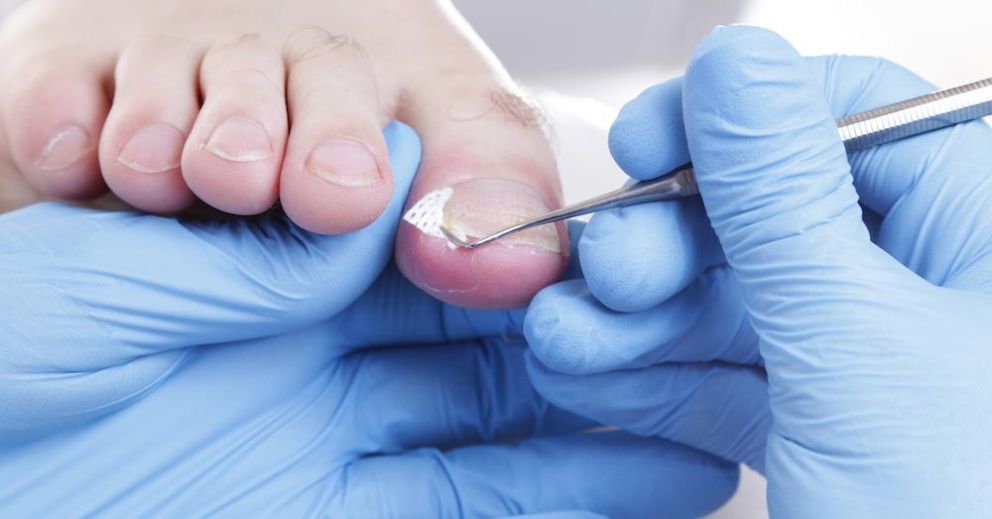
An ingrown toenail might seem like a small issue, but anyone who has experienced one knows how painful and disruptive it can be. Everyday activities like walking, wearing shoes, or exercising can quickly become uncomfortable. If left untreated, an ingrown toenail can lead to infection and ongoing problems.
The good news is that there are several effective ingrown toenail treatment options, ranging from simple conservative care to minor surgical procedures. Understanding these options can help you seek the right treatment early and avoid unnecessary pain.
Summary: Ingrown toenail treatment depends on the severity of the condition. Mild cases can often be managed with conservative care, while recurring or painful cases may require minor surgery. Early treatment reduces pain, lowers the risk of infection, and helps prevent the problem from returning. A podiatrist can assess your nail and recommend the most appropriate option for long-term relief.
What Is an Ingrown Toenail?
An ingrown toenail occurs when the edge of the nail grows into the surrounding skin instead of over it. This most commonly affects the big toe but can happen on other toes as well.
When the nail presses into the skin, it can cause pain, redness, swelling, and sometimes infection.
Common Causes of Ingrown Toenails
Ingrown toenails can develop for several reasons, often due to everyday habits.
Common causes include:
-
Cutting nails too short or rounding the edges
-
Wearing tight or narrow shoes
-
Repeated pressure from sport or activity
-
Injury to the toenail
-
Naturally curved or thick nails
Identifying the cause is an important part of preventing recurrence.
Symptoms That Should Not Be Ignored
Early symptoms may feel mild, but they can worsen over time.
Signs of an ingrown toenail include:
-
Pain along the edge of the nail
-
Redness or swelling around the toe
-
Tenderness when walking or wearing shoes
-
Fluid or pus if infection is present
If you notice increasing pain or signs of infection, professional care is strongly recommended.
Conservative Ingrown Toenail Treatment Options
For mild or early-stage ingrown toenails, conservative treatments are often effective.
Proper nail trimming and care
A podiatrist can safely trim the nail to remove pressure on the skin and guide correct nail growth.
Padding and offloading
Small padding techniques may be used to reduce pressure on the affected area, allowing the skin to settle.
Footwear advice
Switching to wider, well-fitting shoes can significantly reduce pressure and prevent the nail from digging in further.
Infection management
If mild infection is present, treatment may include cleaning, topical care, and monitoring rather than immediate surgery.
Conservative care works best when the issue is addressed early.
When Conservative Treatment Is Not Enough
Some ingrown toenails continue to return despite careful nail care. Others may become severely painful or infected.
You may need more advanced treatment if:
-
The ingrown toenail keeps coming back
-
Pain interferes with daily activities
-
There is ongoing infection
-
The nail shape causes repeated problems
In these cases, minor surgical treatment is often the most effective solution.
Minor Surgery for Ingrown Toenails Explained
Minor ingrown toenail surgery is a common and effective procedure performed by podiatrists.
What does the procedure involve?
The procedure typically involves:
-
Local anaesthetic to numb the toe
-
Removal of the problematic section of the nail
-
Treatment of the nail root to prevent regrowth of that edge
The goal is to permanently resolve the problem while preserving the appearance and function of the nail.
Benefits of minor toenail surgery
-
Long-term or permanent solution
-
Relief from ongoing pain
-
Reduced risk of future infection
-
Quick procedure with minimal downtime
Most patients are able to walk out after the procedure with appropriate aftercare instructions.
Recovery After Ingrown Toenail Surgery
Recovery is usually straightforward when aftercare advice is followed.
Typical recovery tips include:
-
Keeping the area clean and dry
-
Wearing open or loose footwear initially
-
Avoiding strenuous activity for a short period
-
Attending follow-up appointments if required
Most people return to normal activities within days to weeks.
Preventing Ingrown Toenails in the Future
Prevention is key, especially if you are prone to ingrown toenails.
Helpful prevention tips:
-
Cut nails straight across, not rounded
-
Avoid cutting nails too short
-
Wear properly fitted shoes
-
Seek early care if discomfort begins
-
Have regular podiatry nail care if needed
Professional advice can significantly reduce recurrence.
Why Seeing a Podiatrist Matters
Attempting to treat ingrown toenails at home can make the problem worse, especially if infection is present. A podiatrist has the training and tools to treat the issue safely and effectively.
A clinic like Foot HQ Miranda provides expert care for feet, ankles, and nail conditions. Their experienced team focuses on long-term solutions, not just temporary relief.
Key Takeaways
-
Ingrown toenails can cause significant pain and infection
-
Early conservative treatment can be very effective
-
Recurring or severe cases may require minor surgery
-
Professional podiatry care ensures safe, long-term results
FAQ
Can an ingrown toenail heal on its own?
Mild cases may settle, but many worsen over time. Early professional care helps prevent complications.
Is ingrown toenail surgery painful?
The procedure itself is not painful due to local anaesthetic. Some mild discomfort may occur during recovery.
How long does it take to recover from ingrown toenail surgery?
Most people return to normal activities within a few days, with full healing over several weeks.
Can ingrown toenails come back after surgery?
Recurrence is uncommon when the nail root is treated correctly, making surgery a long-term solution.


Share: