

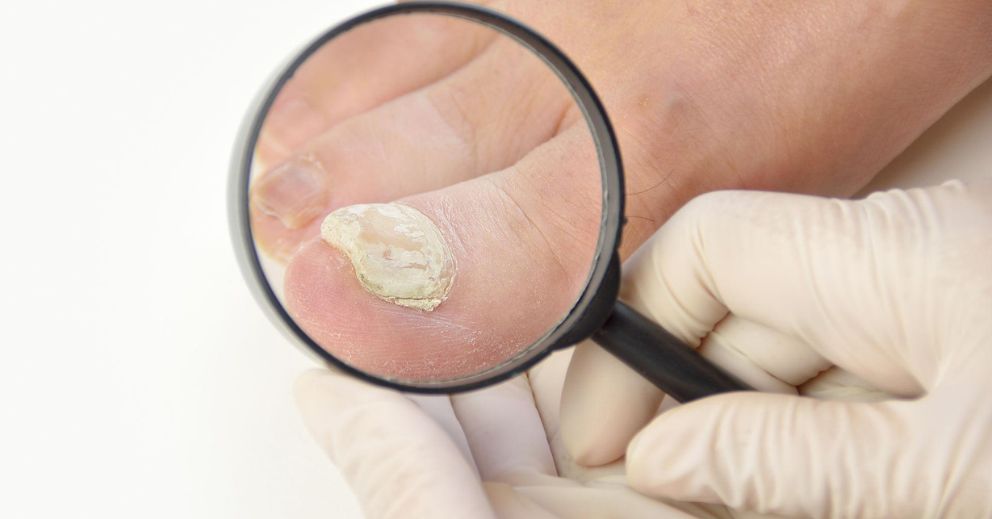
Fungal toenail infections affect millions of Australians every year, causing embarrassment, discomfort, and frustration. These stubborn infections can turn healthy nails into thick, discoloured, and brittle problems that seem impossible to fix. Whether you've noticed yellowing on your big toe or crumbling edges on multiple nails, you're not alone in dealing with this common foot health issue.
The good news is that fungal toenail infections are treatable with the right approach and professional guidance. Understanding what causes these infections, recognising the early warning signs, and knowing your treatment options can help you regain healthy, attractive nails and boost your confidence.
TLDR: Fungal toenail infections cause thick, discoloured, and brittle nails but can be effectively treated with professional care. Early intervention and proper foot hygiene are key to successful treatment and prevention.
What Are Fungal Toenail Infections?
Fungal toenail infections, medically known as onychomycosis, occur when microscopic fungi invade the nail bed and nail plate. These organisms thrive in warm, moist environments, making your feet an ideal breeding ground, especially when trapped in shoes and socks for extended periods.
The infection typically starts small, often beginning at the edge or tip of the nail before spreading deeper into the nail bed. What might initially appear as a small white or yellow spot can gradually take over the entire nail, causing significant changes in appearance and structure.
Types of Fungal Toenail Infections
Several different types of fungi can cause toenail infections, each with slightly different characteristics:
-
Dermatophytes are the most common culprits, causing thick, yellow nails
-
Yeasts typically create white or yellow patches on the nail surface
-
Non-dermatophyte moulds often result in green, brown, or black discolouration
How Common Are These Infections?
Toenail fungus affects approximately 10% of the adult population in Australia, with the likelihood increasing significantly with age. Adults over 60 are particularly susceptible, with infection rates climbing to around 20% in this age group.
Men tend to develop fungal toenail infections more frequently than women, though the exact reasons aren't fully understood. Genetics, lifestyle factors, and occupational hazards all play a role in determining your risk level.
Recognising the Symptoms of Fungal Toenail Infections
Early detection is crucial for successful treatment, so knowing what to look for can save you months of frustration. Fungal toenail infections rarely cause pain in the early stages, which means visual changes are often your first clue.
Visual Changes to Watch For
The most obvious signs of a fungal infection involve changes to your nail's appearance:
-
Yellow, brown, or white discolouration starting at the nail edge
-
Thickening of the nail plate, making it difficult to trim
-
Crumbling or brittle nail texture that breaks easily
-
Separation of the nail from the nail bed underneath
-
White or yellow streaks running through the nail
Physical Symptoms You Might Experience
While many fungal infections are painless initially, you might notice other physical changes as the infection progresses. The affected nail may become increasingly difficult to cut with regular nail clippers due to thickening.
Some people experience a slight odour coming from the infected nail, particularly if the infection has been present for several months. In advanced cases, the nail may become so thick and distorted that it causes discomfort when wearing closed-toe shoes.
When Symptoms Indicate Serious Infection
Certain symptoms suggest the infection has progressed significantly or may be causing secondary complications. If you notice spreading redness around the nail, increased warmth in the toe, or any signs of bacterial infection, it's important to seek professional treatment promptly.
People with diabetes, circulation problems, or compromised immune systems should be particularly vigilant about any changes to their toenails, as fungal infections can lead to more serious complications in these populations.
Understanding the Root Causes
Fungal toenail infections don't appear randomly. Understanding what creates the perfect conditions for these organisms to thrive can help you prevent future infections and make more informed treatment decisions.
Environmental Factors That Promote Fungal Growth
Fungi love warm, moist environments, which explains why your feet are such attractive targets. Public swimming pools, gym showers, and change rooms provide ideal conditions for picking up fungal spores that can later develop into full-blown infections.
Your shoes and socks play a significant role too. Non-breathable footwear that traps moisture creates a greenhouse effect around your toes. This is why people who wear closed shoes for long hours, such as office workers or tradies, often develop these infections.
Personal Risk Factors
Some people are naturally more susceptible to fungal toenail infections due to individual risk factors:
-
Age-related changes in nail growth and circulation
-
Previous nail injuries that create entry points for fungi
-
Genetic predisposition to fungal infections
-
Compromised immune system function
-
Chronic medical conditions like diabetes or psoriasis
Lifestyle Contributions
Your daily habits and lifestyle choices can significantly impact your risk of developing fungal toenail infections. Regular exposure to communal wet areas without protective footwear increases your chances of picking up infectious organisms.
Poor foot hygiene, including infrequent washing or inadequate drying between toes, creates conditions that fungi find irresistible. Similarly, sharing towels, socks, or shoes with infected individuals can spread the infection from person to person.
Professional Treatment Options That Actually Work
Successfully treating fungal toenail infections requires patience, consistency, and often professional intervention. While over-the-counter treatments exist, professional care typically offers more effective and faster results, especially for established infections.
Topical Antifungal Treatments
Professional-strength topical medications penetrate the nail more effectively than drugstore alternatives. These treatments work by delivering concentrated antifungal agents directly to the infection site over several months.
Prescription lacquers and solutions are applied directly to the cleaned nail surface, usually once or twice daily. The key to success with topical treatments is consistent application and proper nail preparation, which often involves filing down thick areas to improve medication penetration.
Oral Antifungal Medications
For severe or resistant infections, oral antifungal medications provide systemic treatment that attacks the fungus from within your body. These medications are typically more effective than topical treatments alone, especially for infections involving multiple nails or the nail matrix.
Treatment courses usually last 12-16 weeks, with new healthy nail growth gradually replacing the infected nail over 6-12 months. Regular monitoring ensures the medication is working effectively and helps identify any potential side effects early.
Advanced Treatment Technologies
Modern podiatry clinics offer advanced treatment options that weren't available just a few years ago. Laser therapy uses focused light energy to heat and destroy fungal organisms while leaving healthy tissue unharmed.
These treatments are particularly appealing for patients who can't take oral medications due to other health conditions or medication interactions. Multiple sessions are typically required, but many patients see improvement within a few months.
Prevention Strategies for Long-Term Foot Health
Preventing fungal toenail infections is much easier than treating them. Simple changes to your daily routine can dramatically reduce your risk of developing these stubborn infections.
Daily Foot Care Essentials
Proper foot hygiene forms the foundation of fungal infection prevention. Wash your feet daily with soap and water, paying special attention to the areas between your toes where moisture tends to accumulate.
Thorough drying is just as important as washing. Use a clean towel to dry between each toe, and consider using a hair dryer on a cool setting if you have trouble reaching all areas. This extra step can make a significant difference in preventing fungal growth.
Smart Footwear Choices
Your choice of shoes and socks directly impacts your risk of fungal infections. Breathable materials like leather or canvas allow air circulation, while synthetic materials often trap moisture against your skin.
-
Choose moisture-wicking socks made from synthetic blends or merino wool
-
Rotate between different pairs of shoes to allow complete drying
-
Use antifungal powder in shoes, especially during warmer months
-
Replace old shoes that may harbour fungal spores
Environmental Precautions
Being mindful of high-risk environments can prevent initial infection. Always wear protective footwear in public showers, pool areas, and change rooms. Flip-flops or shower shoes provide a barrier between your feet and contaminated surfaces.
At home, avoid sharing towels, nail clippers, or other personal items that come into contact with feet. If someone in your household has a fungal infection, take extra precautions to prevent spread to other family members.
When to Seek Professional Help
While some people attempt to treat fungal toenail infections with home remedies or over-the-counter products, professional treatment often provides faster, more reliable results with less risk of the infection returning.
Signs You Need Expert Care
Certain situations warrant immediate professional attention rather than attempting self-treatment. If you have diabetes, circulation problems, or a compromised immune system, any changes to your toenails should be evaluated by a qualified podiatrist.
Multiple infected nails, severe thickening, or infections that don't respond to over-the-counter treatments within a few months are also clear indicators that professional intervention is needed.
What to Expect During Treatment
Professional fungal toenail treatment begins with a comprehensive assessment of your feet and nails. Your podiatrist will examine the extent of the infection, discuss your medical history, and may take nail samples for laboratory testing to identify the specific type of fungus.
Treatment plans are customised based on the severity of your infection, your overall health, and your lifestyle factors. Regular follow-up appointments monitor progress and adjust treatment as needed to ensure the best possible outcome.
Supporting Your Treatment Success
Professional treatment works best when combined with proper home care and lifestyle modifications. Your podiatrist will provide specific instructions for nail care, footwear recommendations, and environmental precautions to support your treatment.
Consistency with prescribed treatments and follow-up appointments significantly improves your chances of completely eliminating the infection and preventing recurrence.
Get Professional Help for Your Fungal Toenail Concerns
Don't let fungal toenail infections control your life or limit your confidence. At Foot HQ, our experienced podiatrists understand the frustration and embarrassment these infections can cause, and we're here to help you achieve healthy, attractive nails again.
We offer comprehensive fungal toenail treatment using the latest technologies and proven methods tailored to your specific situation.
Whether you're dealing with a recent infection or have been struggling with persistent fungal problems for months, we can develop an effective treatment plan that fits your lifestyle and health needs. Contact Foot HQ today to schedule your consultation and take the first step toward healthier feet.
Key Takeaways
-
Fungal toenail infections are common but treatable with professional care and patience
-
Early recognition of symptoms leads to more successful treatment outcomes
-
Prevention through proper foot hygiene and smart footwear choices is more effective than treatment
-
Professional treatment options offer better results than over-the-counter alternatives for established infections
-
People with diabetes or circulation problems should seek immediate professional care for any nail changes


Share: