

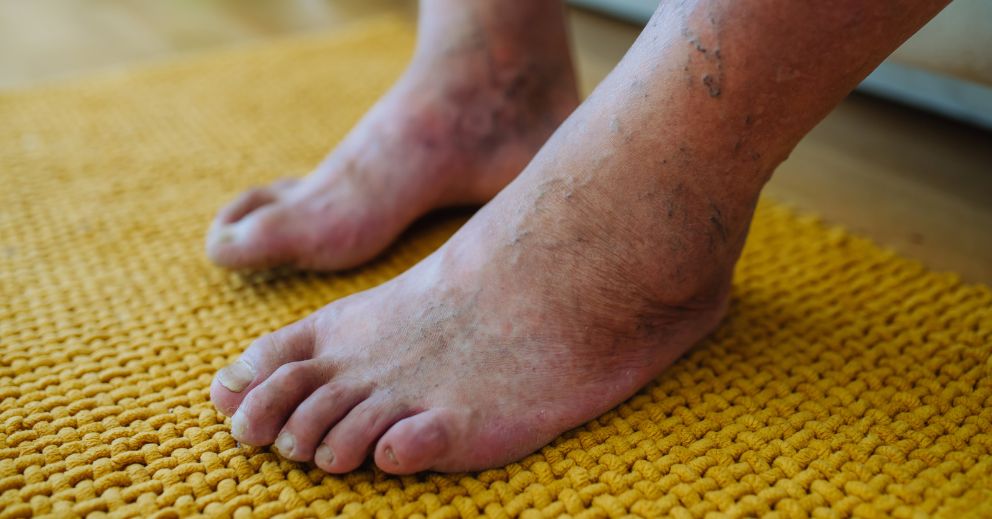
Here's a simple way to think about it: if you're managing diabetes, every small cut, blister or scrape on your foot deserves a proper check, clean and follow-up plan, not a "she'll be right" attitude. That's the practical approach we want to walk you through in this article.
We'll cover exactly what to look for, what to do in the first 24 to 48 hours, and when a minor injury actually needs a podiatrist rather than a home bandaid.
TLDR: Diabetes can reduce feeling in your feet and slow down healing, which means small injuries can turn serious before you notice them. Checking your feet daily, cleaning and covering any wound properly, and getting professional help early are the steps that keep a minor scrape from becoming a major problem.
How Diabetes Changes the Way Foot Injuries Behave
Diabetes affects the feet in two main ways, and understanding both helps explain why "it's just a small cut" isn't always true.
Nerve damage and reduced sensation
High blood glucose over time can damage the small nerves in your feet, a condition called peripheral neuropathy. This means you might not feel a stone in your shoe, a blister forming, or a cut happening at all.
Without pain as a warning sign, injuries often go unnoticed until they're already infected or ulcerated.
Poor circulation and slow healing
Diabetes can also affect blood flow to the lower legs and feet. Less blood flow means fewer of the nutrients and immune cells your body needs to repair damaged skin.
A cut that would heal in a few days for most people might take weeks, and in that time, bacteria have plenty of opportunity to get in.
The Step-by-Step Approach to Checking and Treating a Minor Injury
If you've found a cut, blister, or graze on your foot, here's a practical sequence to follow rather than guessing.
-
Wash your hands, then gently clean the wound with mild soap and water.
-
Pat the area dry rather than rubbing it.
-
Apply a sterile, non-stick dressing to protect it from friction and dirt.
-
Check the wound daily for changes in colour, size, or discharge.
-
Keep weight off the area where possible and wear well-fitted, clean socks and shoes.
-
Book an appointment with a podiatrist if there's no clear improvement within two to three days.
What NOT to do
-
Don't use harsh antiseptics like iodine or hydrogen peroxide, they can damage healthy tissue.
-
Don't try to cut away hard skin, corns, or calluses yourself.
-
Don't ignore a wound just because it doesn't hurt.
-
Don't wait "to see how it goes" if you notice swelling or odour.
Warning Signs That Mean It's More Than a Minor Injury
Some symptoms should prompt you to seek help straight away rather than waiting it out.
Signs of infection
-
Redness spreading beyond the wound edges
-
Warmth or swelling around the area
-
Pus or unusual discharge
-
A bad smell coming from the wound
-
Fever or feeling unwell generally
Signs healing isn't progressing
-
The wound looks the same or worse after a week
-
The skin around it is turning dark or discoloured
-
You notice a deep or widening wound
-
Pain increases rather than settles
Any of these signs warrant a same-week appointment, not a wait-and-see approach. Diabetic foot ulcers often start exactly this way, as a small, seemingly harmless wound that wasn't managed early.
Daily Foot Checks That Catch Problems Early
Most serious diabetic foot complications are caught late simply because nobody was looking. A daily check takes less than two minutes and can make all the difference.
What to look for
-
Cuts, blisters, or breaks in the skin
-
Areas of redness or unusual colour change
-
Swelling in one foot but not the other
-
Ingrown toenails or changes in nail colour
-
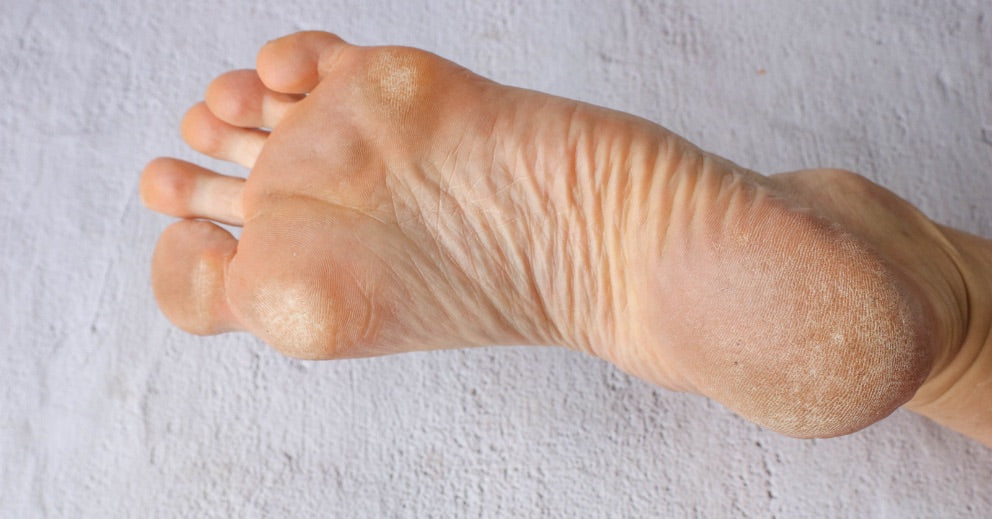
Dry, cracked skin especially around the heels
Tools that make it easier
A hand mirror helps you check the soles of your feet without needing to bend awkwardly. If eyesight or flexibility is an issue, ask a family member to help, or bring it up at your next podiatry visit.
Some people also find it useful to check feet at the same time each day, like after a shower, so it becomes a habit rather than an afterthought.
Why Professional Podiatry Care Matters for Diabetic Foot Health
Regular podiatry check-ups aren't just for when something's gone wrong. They're part of catching issues before they become serious, especially if you already have some nerve damage or circulation changes.
What a podiatry visit can involve
-
A full sensation and circulation assessment
-
Safe removal of corns, calluses, or thickened skin
-
Wound cleaning and dressing if needed
-
Nail care to prevent ingrown toenails
-
Advice on footwear that reduces pressure points
How often you should be checked
This depends on your individual risk level. Some people benefit from a check every few months, while others with more advanced nerve or circulation changes may need more frequent visits.
Your podiatrist can help set a schedule that suits your specific situation rather than a generic timeframe.
Noticed a Cut, Blister or Change in Your Feet?
If you're unsure about a cut, blister, or any change in your feet, it's worth having it looked at rather than guessing. The team at Foot HQ can help assess minor injuries early and put a plan in place to protect your foot health going forward.
Book an appointment with Foot HQ today.
Key Takeaways
-
Diabetes can reduce sensation in the feet, so injuries may go unnoticed until they worsen.
-
Poor circulation slows healing, giving infections more time to take hold.
-
Clean and dress minor wounds properly, and monitor them daily for changes.
-
Spreading redness, swelling, discharge, or odour are signs to seek help immediately.
-
Daily foot checks take minutes and can catch problems well before they become serious.
-
Regular podiatry visits help manage risk factors before an injury even happens.
FAQ
Can a small blister really lead to a serious problem for a diabetic?
Yes, particularly if there's reduced sensation or circulation involved. What starts as a minor blister can become infected or develop into a slow-healing ulcer if it's not managed properly and promptly.
How long should I wait before seeing someone about a foot wound?
If there's no visible improvement within two to three days, or if you notice any signs of infection sooner, it's best to get it checked rather than waiting longer. Earlier attention generally means simpler treatment.
Is it safe to treat a diabetic foot wound at home at all?
Basic cleaning and dressing at home is fine for very minor injuries, as long as you're monitoring it closely. Anything that isn't healing as expected, or involves broken skin near the toes or heel, is worth having assessed professionally.
Do I need special footwear if I have diabetes?
Many people with diabetes benefit from well-fitted shoes with good support and minimal pressure points, especially if there's any nerve damage or foot deformity. A podiatrist can advise on footwear suited to your specific foot shape and risk level.
What makes diabetic feet more prone to injury in the first place?
A combination of reduced sensation, changes in circulation, and sometimes changes in foot shape or skin texture all play a role. This combination means injuries can happen more easily and are harder for the body to notice and repair on its own.


Share: