

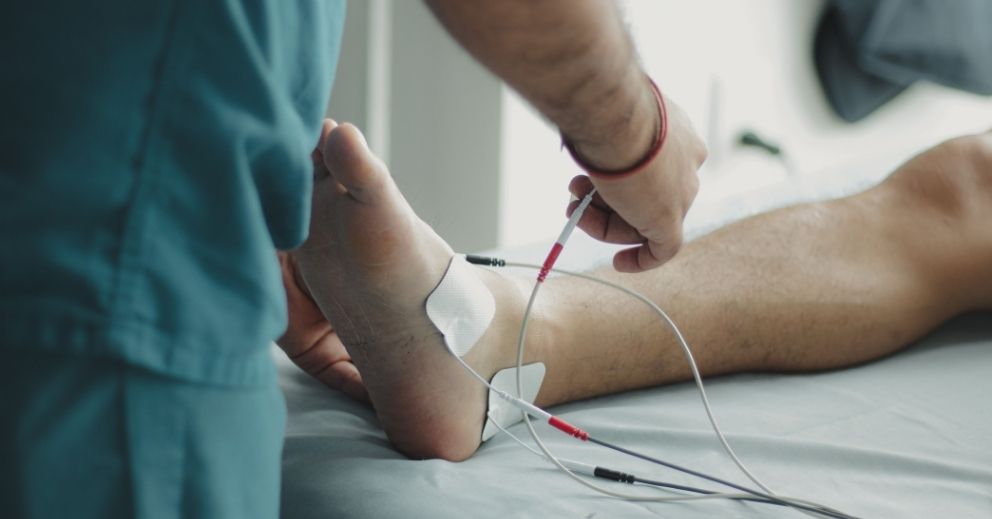
There's a common assumption that shockwave therapy involves electric shocks, or that it's some kind of last-resort treatment you only try once everything else has failed. Neither is true. It's actually one of the more misunderstood treatments in podiatry, and that confusion stops a lot of people from considering it earlier, when it could help the most.
Let's clear up what shockwave therapy really is, how it works on foot pain, and why it's become a go-to option for conditions like plantar fasciitis and Achilles tendon issues.
TLDR: Shockwave therapy uses acoustic sound waves, not electricity, to stimulate healing in damaged foot tissue. It's commonly used for stubborn heel pain, plantar fasciitis, and tendon issues that haven't responded to rest or stretching. Most people need a short course of sessions, with mild discomfort during treatment but no real downtime afterwards.
What Shockwave Therapy Actually Is (And Isn't)
The name throws people off straight away. "Shockwave" sounds like it should involve electricity, but it's got nothing to do with that at all.
The treatment uses acoustic sound waves, similar in concept to ultrasound, delivered through a handheld device pressed against the skin. These pulses of energy travel into the tissue and trigger a healing response at a cellular level.
The Myth of "Electric Shocks"
This is probably the biggest misconception we hear in clinic. People picture something like a TENS machine or even a defibrillator, and understandably, that puts them off.
In reality, what you feel is more like firm, rhythmic pressure or tapping. It's not comfortable for everyone, but it's not an electric shock in any sense.
Not Just a "Last Resort" Treatment
Another misunderstanding is that shockwave is only for cases where nothing else has worked. While it's often used after conservative options like stretching, orthotics, or activity changes haven't fully resolved the issue, that doesn't mean it's a fringe or extreme measure.
Plenty of podiatry clinics, including Foot HQ, use it as a standard part of treatment planning for chronic tendon and ligament pain, not just as a fallback.
How Shockwave Therapy Works on Foot Pain
The science behind it is fairly straightforward once you break it down. Chronic pain in tissues like the plantar fascia or Achilles tendon often happens because the area has stopped healing properly, not because it's still actively injured.
Shockwave therapy essentially interrupts that stalled healing process and kickstarts it again.
What Happens at a Cellular Level
-
Increases blood flow to the treated area
-
Stimulates the formation of new blood vessels
-
Encourages collagen production for tissue repair
-
Helps break down calcified or scarred tissue buildup
-
Reduces pain signals sent through local nerve fibres
Put simply, it gives the body a reason to start repairing tissue that's gotten stuck in a chronic, inflamed state.
Which Foot Conditions Respond Well
Shockwave therapy isn't suited to every type of foot pain, but it has solid results for a specific group of conditions.
-
Plantar fasciitis, especially long-standing or stubborn cases
-
Achilles tendinopathy
-
Heel spurs
-
Stress-related tendon injuries
-
Some cases of Morton's neuroma
What to Expect During a Shockwave Session
If you've never had it done before, knowing what actually happens can take a lot of the apprehension out of it.
A typical session is quick, usually somewhere between five and fifteen minutes depending on the area being treated.
During the Treatment
A gel is applied to the skin, similar to an ultrasound scan, and the device is pressed against the painful area. You'll feel a series of pulses, which can range from mild to moderately uncomfortable depending on your pain threshold and how inflamed the tissue is.
Most clinics will start at a lower intensity and build up as you tolerate it, rather than going in at full strength from the first pulse.
After the Session
Some soreness or a dull ache in the treated area is common for a day or two afterwards. This isn't a sign anything's gone wrong, it's part of the tissue response.
There's no real downtime. Most people walk out and go about their day, though you might be advised to ease off high-impact activity for a short while.
How Many Sessions Are Usually Needed
This is one of the more practical questions people want answered before they commit to treatment.
Shockwave therapy isn't a one-and-done fix. It typically works best as a short course rather than a single visit.
Typical Treatment Timelines
-
Most plans involve three to six sessions
-
Sessions are usually spaced a week apart
-
Improvement is often gradual, not instant
-
Some people notice changes within two to three sessions
-
Full benefit can take several weeks after the course finishes
A podiatrist will usually reassess progress partway through and adjust the plan if needed, rather than locking you into a fixed number upfront.
Is Shockwave Therapy Right for Your Foot Pain?
Not every case of foot pain needs this level of intervention, and that's worth saying clearly. A lot of milder or newer injuries respond well to simpler measures first.
Signs It Might Be Worth Considering
-
Pain has lasted more than six weeks despite rest
-
Stretching and orthotics haven't made a noticeable difference
-
Pain is worse with the first steps in the morning
-
You've been told you have plantar fasciitis or tendinopathy
-
You want to avoid or delay surgical options
A proper assessment is the only reliable way to know if it's the right fit for your specific situation, since foot pain can stem from a few different underlying causes that look similar on the surface.
Could Shockwave Therapy Help Your Foot Pain?
Persistent heel pain, plantar fasciitis and certain tendon conditions can make walking, exercising and everyday activities uncomfortable. When symptoms aren't improving with initial treatment, shockwave therapy may be worth considering.
This non-invasive treatment uses acoustic waves to stimulate the body's natural healing processes and may help reduce pain and improve function in certain musculoskeletal conditions.
At Foot HQ, our team can assess your symptoms, identify potential causes and determine whether shockwave therapy is a suitable option for your condition.
Tired of ongoing foot pain? Book an assessment with Foot HQ to explore your treatment options and get back to moving more comfortably.
Key Takeaways
-
Shockwave therapy uses sound wave pulses, not electricity, despite the name
-
It's commonly used for plantar fasciitis, Achilles tendinopathy, and heel spurs
-
Treatment stimulates blood flow and collagen production to restart stalled healing
-
Sessions are short, usually five to fifteen minutes, with mild to moderate discomfort
-
Most people need three to six sessions spaced about a week apart
-
It's not only a last-resort treatment, it's often part of a standard treatment plan
-
A podiatry assessment helps determine if it suits your specific type of foot pain
FAQ
Does shockwave therapy hurt more than other foot treatments?
It's generally more uncomfortable than passive treatments like massage or stretching, but most people tolerate it without needing pain relief. The sensation is usually described as deep pressure or a dull ache rather than sharp pain.
Can shockwave therapy make foot pain worse before it gets better?
Some mild soreness in the day or two after a session is normal and expected. This usually settles quickly and isn't a sign the treatment has caused harm.
Is shockwave therapy covered by Medicare or private health insurance in Australia?
Coverage depends on your specific policy and whether you have extras cover for podiatry. It's worth checking with your health fund directly, as rebates vary quite a bit between providers.
How soon can I go back to exercise or sport after treatment?
Many people can return to light activity fairly quickly, though high-impact sport is often paused during the treatment course. Your podiatrist will usually guide this based on how your tissue responds.
What happens if shockwave therapy doesn't resolve my foot pain?
If there's limited improvement after a full course, it usually means the treatment plan needs reassessing rather than that nothing can help. Further imaging or alternative approaches may be considered at that point.


Share: