

"Does shockwave therapy actually hurt?" "How many sessions will I need before my heel pain goes away?" If you've been typing questions like these into Google at midnight because your foot pain is keeping you up, you're not alone. Shockwave therapy has become one of the go-to treatments for stubborn foot conditions that haven't responded to rest, stretching, or new shoes.
This guide walks you through exactly what happens before, during, and after a session, so you can walk in feeling prepared instead of anxious.
TLDR: Shockwave therapy uses focused sound wave pulses to stimulate healing in damaged foot tissue, commonly for plantar fasciitis and Achilles issues. Sessions take about 15 to 20 minutes, involve mild discomfort rather than sharp pain, and most people need three to six treatments spaced a week or two apart. There's little to no downtime, though some soreness for a day or two is normal.
Understanding Shockwave Therapy for Foot Pain
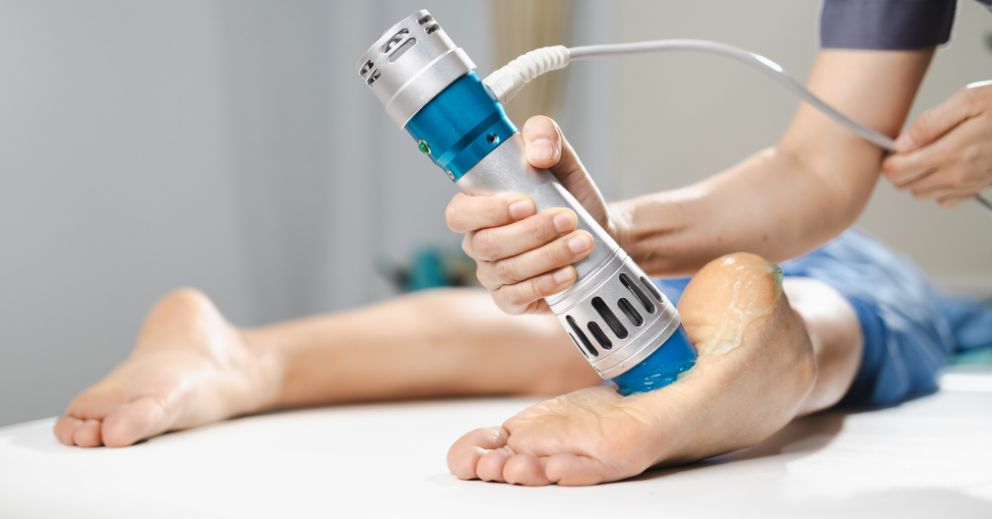
Shockwave therapy, sometimes called extracorporeal shockwave therapy or ESWT, delivers acoustic sound waves through a handheld device pressed against the skin. Those pulses travel into the tissue and are thought to trigger the body's natural repair response, increasing blood flow and breaking down scar tissue or calcification that's built up over time.
It's a non-invasive option, meaning there are no needles, no incisions, and no anaesthetic required. That's part of why it's grown so popular for chronic foot complaints that haven't improved with more conservative approaches.
Conditions It's Commonly Used For
-
Plantar fasciitis and chronic heel pain
-
Heel spurs
-
Stress-related tendon injuries that haven't healed with rest
Why People Consider It
-
They've tried stretching, orthotics, or anti-inflammatories without lasting relief
-
They want to avoid or delay surgery
-
Pain has lasted longer than six weeks despite rest
-
They're keen to get back to walking, running, or standing at work pain-free
Booking Your Shockwave Session at Foot HQ
Before any treatment starts, a podiatrist will assess your foot properly. This usually includes checking your gait, feeling for tender spots, and reviewing any scans or history you bring along. Shockwave isn't a one-size-fits-all fix, so this step matters.
Not everyone is a suitable candidate. If you're pregnant, have a pacemaker, take blood thinners, or have an active infection in the area, your podiatrist will likely suggest a different path.
What to Bring or Mention Beforehand
-
Any previous scans, X-rays, or ultrasound reports
-
A list of treatments you've already tried
-
Details of medications, especially blood thinners
-
How long you've had the pain and what triggers it
Setting Realistic Expectations
Shockwave isn't an instant fix. Most people notice gradual improvement over several weeks rather than immediate relief after the first visit. Your podiatrist should walk you through a realistic timeline based on how long you've had symptoms and how severe they are.
During the Shockwave Foot Treatment Session
Once you're settled in, a gel is applied to the treatment area, similar to an ultrasound. The podiatrist then positions the handheld applicator over the sore spot and begins delivering pulses.
You'll likely feel a tapping or pulsing sensation, sometimes described as a rubber band snap or a dull ache. Most clinics start at a lower intensity and increase it gradually so you stay comfortable throughout.
How Long Each Session Takes
-
Typically 15 to 20 minutes per session
-
No sedation or numbing agents needed
-
You can usually drive yourself home afterwards
-
Sessions are generally spaced one to two weeks apart
Does It Hurt?
Most people describe it as uncomfortable rather than painful, particularly over very tender areas like the heel. Your podiatrist can adjust the intensity if it feels too much, so you're never stuck enduring something unbearable.
Recovery and Results After Shockwave Therapy
There's minimal downtime with shockwave therapy, which is part of its appeal. Most people go straight back to normal daily activities, though your podiatrist may suggest easing off high-impact exercise for a day or two.
Some mild redness, swelling, or soreness in the treated area is completely normal and usually settles within 24 to 48 hours.
Signs Your Body Is Responding Well
-
Reduced first-step pain in the morning
-
Less discomfort after standing or walking for longer periods
-
Improved flexibility in the affected area
-
Gradual return to activities that used to trigger pain
Aftercare Tips
-
Avoid strenuous exercise for 48 hours after each session
-
Keep up with any stretches or exercises your podiatrist recommends
-
Wear supportive footwear rather than flat shoes or thongs
-
Ice the area if soreness lingers longer than expected
Take the First Step Towards Lasting Heel and Foot Pain Relief
If persistent heel or foot pain has been slowing you down, it might be worth having it properly assessed rather than pushing through it.
The team at Foot HQ can talk you through whether shockwave foot treatment suits your situation and what results you might realistically expect. Getting a proper diagnosis first is always the sensible next step. Book your consultation today.
Key Takeaways
-
Shockwave therapy uses focused sound pulses to stimulate healing in chronic foot conditions like plantar fasciitis and Achilles tendinopathy
-
A proper assessment before treatment helps confirm you're a suitable candidate
-
Sessions take around 15 to 20 minutes and involve mild discomfort, not sharp pain
-
Most people need three to six sessions spaced a week or two apart
-
Downtime is minimal, though some soreness for a day or two is normal
-
Results build gradually over several weeks rather than appearing instantly
FAQ
How do I know if shockwave therapy is right for my foot pain?
It's best suited to chronic pain that's lasted more than six weeks and hasn't responded to rest, stretching, or orthotics. A podiatrist assessment is the only reliable way to confirm whether your specific condition will respond well.
How many sessions will I actually need?
Most treatment plans involve three to six sessions, spaced roughly one to two weeks apart. The exact number depends on how long you've had symptoms and how your tissue responds along the way.
Is there any risk of the pain getting worse?
Temporary soreness or mild swelling for a day or two is common and expected. Serious complications are rare, though your podiatrist will screen for conditions like blood clotting disorders or nerve damage beforehand.
Can I combine shockwave therapy with other treatments?
Yes, it's often paired with stretching programs, orthotics, or footwear changes for better overall results. Your podiatrist will usually build a broader plan around the shockwave sessions rather than relying on them alone.
What happens if shockwave therapy doesn't work for me?
If there's little improvement after a full course of sessions, your podiatrist will reassess and discuss other options, which might include different conservative treatments or a referral for further investigation. It's not considered a failure, just a sign your foot needs a different approach.



Share: