


Noticed your feet have gone flaky, cracked, or rough lately and you're not sure why? You're not alone. It's one of the most common things people search for when their feet suddenly feel different, especially when there's no obvious injury or cause in sight.
The good news is that dry, peeling skin on the feet almost always has an explainable cause. Sometimes it's as simple as the weather or the shoes you've been wearing. Other times it points to something worth getting checked, like a fungal infection or a skin condition that needs proper treatment.
TLDR: Dry, peeling feet are usually caused by environmental factors, poor moisturising habits, footwear choices, or underlying skin conditions like fungal infections or eczema. Most cases improve with better foot care, but persistent peeling, cracking, or itching is worth having looked at by a podiatrist.
Everyday Causes of Dry and Peeling Feet
Feet go through a lot. They're covered up most of the day, exposed to friction, and often the last thing people think about when it comes to skincare.
Weather and seasonal changes
Cold, dry air pulls moisture out of the skin, and feet are often the first place it shows up. Air conditioning and heating indoors can make this worse, especially over winter.
Hot showers and soap
Long, hot showers feel great but strip natural oils from the skin. Harsh soaps do the same thing, leaving the skin on your feet tight, dry, and prone to flaking.
Not moisturising enough
Feet are easy to forget when it comes to daily moisturising. Without regular hydration, the skin on the soles and heels can thicken, dry out, and start to peel.
Footwear that doesn't breathe
Shoes made from synthetic materials trap heat and moisture, which can dry out the skin over time or create the perfect environment for fungal growth. Going barefoot a lot, or wearing open sandals in dry conditions, can have a similar drying effect.
Fungal and Skin Conditions Linked to Peeling Feet
When dryness comes with itching, redness, or a burning feeling between the toes, it's often more than just dehydrated skin.
Athlete's foot
This fungal infection is one of the most common causes of peeling, itchy skin on the feet, particularly between the toes. It thrives in warm, damp conditions like sweaty shoes or shared shower areas.
Eczema and dermatitis
Some people get eczema flare-ups specifically on their feet, causing dry patches, cracking, and peeling. This can be triggered by certain fabrics, soaps, or even stress.
Psoriasis
Psoriasis can appear on the feet as thick, scaly patches that flake and sometimes crack. It's a longer-term skin condition that often needs a tailored management plan.
Contact allergies
Reactions to certain socks, shoe materials, or foot creams can cause localised dryness and peeling. If it started after trying a new product, that's worth considering.
Cracked Heels and Peeling Skin: What's the Connection?
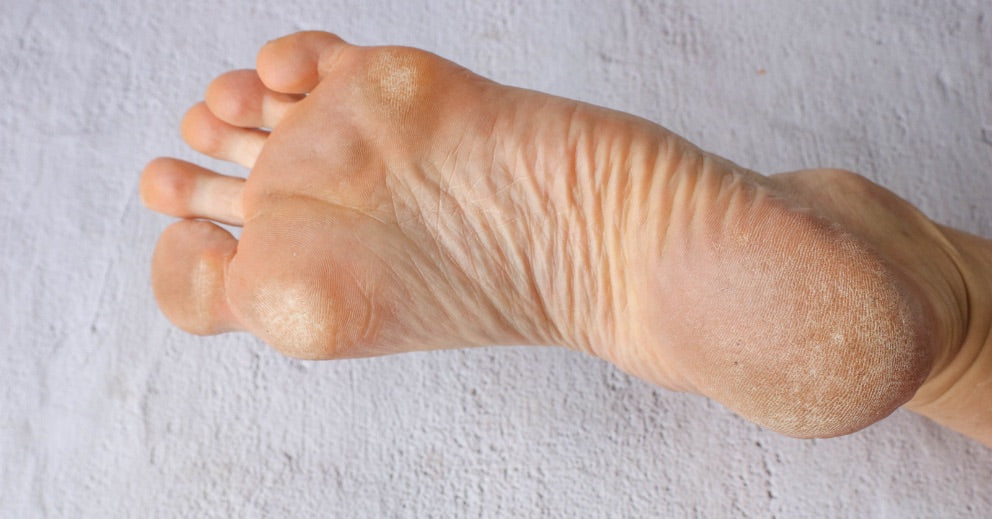
Cracked heels are usually the next stage after untreated dry skin. As the skin thickens and loses moisture, it becomes less flexible and starts to split under pressure.
-
Standing for long periods without supportive footwear
-
Being overweight, which adds pressure to the heels
-
Walking barefoot on hard floors regularly
-
Having naturally dry or thick skin on the feet
Left untreated, cracked heels can become painful and even bleed, which increases the risk of infection. Catching the dryness early, before it turns into deep cracks, makes a big difference.
When Peeling Feet Point to Something Else
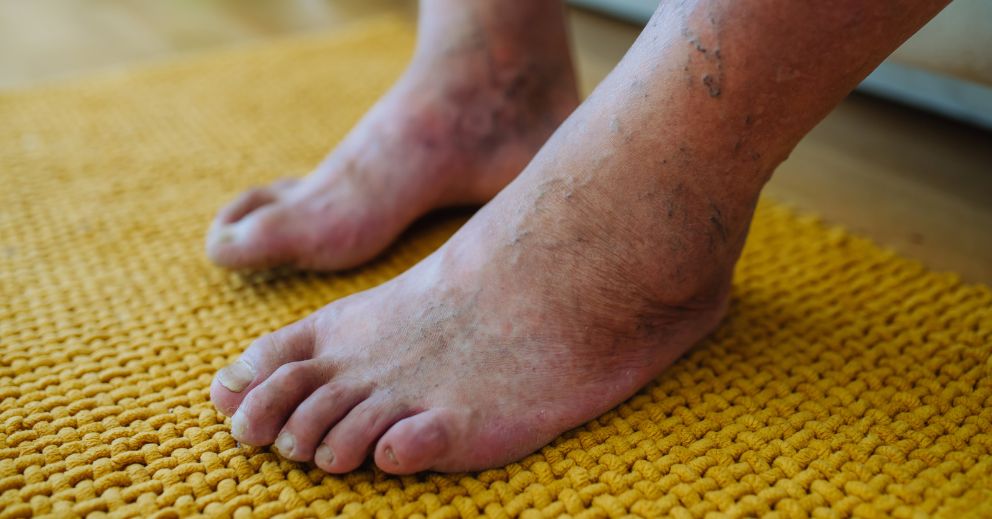
Occasionally, dry and peeling skin on the feet is linked to a broader health issue rather than something local to the skin itself.
Thyroid issues
An underactive thyroid can cause skin all over the body to become dry, including the feet, often alongside fatigue and other symptoms.
Diabetes-related skin changes
Blood sugar imbalances can affect skin hydration and healing, making dryness and peeling more noticeable on the feet. Anyone managing diabetes should keep a closer eye on changes in their skin.
Vitamin deficiencies
Low levels of certain vitamins, particularly vitamin A or B, can show up as dry, flaky skin, including on the feet.
Caring for Dry, Peeling Feet at Home
Most mild cases respond well to some simple changes in your daily routine.
-
Moisturise feet daily with a rich, fragrance-free cream
-
Swap hot showers for lukewarm water when possible
-
Choose breathable socks made from cotton or wool
-
Gently exfoliate rough patches rather than picking or peeling skin
-
Rotate shoes so they have time to dry out between wears
Picking at peeling skin might feel satisfying but it can tear healthy skin underneath and increase infection risk. It's better to soften the area with moisturiser and let it resolve naturally.
Dry, Flaky or Cracked Feet? It Might Be More Than Dry Skin
If your feet have been dry, flaky, or cracking for a while and home care isn't cutting it, it might be time for a proper look.
The team at Foot HQ can help work out what's actually causing the peeling and get your feet back to feeling normal, whether that's a simple skincare fix or something that needs closer attention. Book your appointment today.
Key Takeaways
-
Dry weather, hot showers, and poor moisturising habits are common everyday causes of peeling feet
-
Athlete's foot, eczema, and psoriasis are frequent skin conditions behind persistent peeling or itching
-
Cracked heels usually develop when dryness is left untreated over time
-
Ongoing dryness can sometimes be linked to thyroid issues, diabetes, or vitamin deficiencies
-
Daily moisturising, breathable footwear, and gentle care go a long way in managing mild cases
-
Peeling skin that doesn't improve, or comes with pain or redness, is worth getting assessed
FAQ
Why do my feet peel more in summer than winter?
Sweaty feet trapped in closed shoes during warmer months create a damp environment that can trigger fungal growth or irritation. Increased barefoot walking on hot pavement or sand can also dry out the skin faster than expected.
Can drinking more water fix dry, peeling feet?
Staying hydrated supports overall skin health, but it won't undo dryness caused by friction, harsh soaps, or fungal infections. Topical moisturising and addressing the underlying cause usually make a bigger difference.
Is it normal for peeling to happen on just one foot?
It can happen, especially with fungal infections or contact irritation from something like a sock or shoe insert. If only one foot is affected, it's worth having it checked rather than assuming it's general dryness.
How long does it take for cracked, peeling feet to heal with home care?
Mild dryness often improves within one to two weeks of consistent moisturising and better footwear habits. Deeper cracks or fungal-related peeling can take longer and may need targeted treatment to fully clear up.
Should I see a podiatrist for peeling feet or is a GP enough?
A podiatrist is well placed to assess skin changes on the feet specifically, including calluses, cracked heels, and fungal infections. A GP may still be useful if there's a suspected internal cause, like a thyroid or vitamin issue.

Share: