

 Rated 5.0 by 70+ locals
Plantar Fasciitis Treatment: Get Relief That Lasts
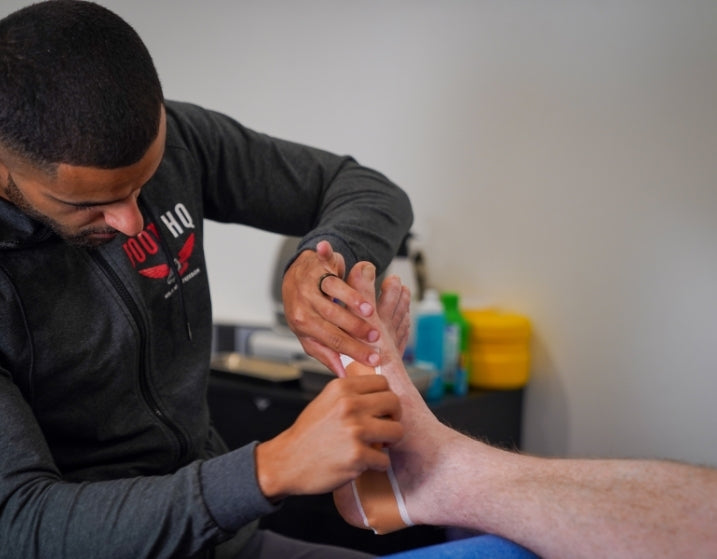
Let’s fix your plantar fasciitis for good.
Plantar fasciitis can be frustrating. Every step can feel sharp or tender. You do not have to live with it. We are here to help.
Whether your heel pain comes from plantar fasciitis alone or is aggravated by heel spurs, overuse, flat feet or poor foot mechanics, we know how to treat it effectively.
Our podiatrists see plantar fasciitis every day. At Foot HQ, we focus on identifying the true cause of your pain, treating it quickly, and preventing it from returning so you can get back on your feet with confidence.
Whether it is a new flare-up or a long-term issue, we provide fast, reliable relief to help you walk comfortably again. Hundreds of locals trust us with their foot health, and we would love to help you too.
If you’re ready to finally move pain-free, book your plantar fasciitis treatment today, and let’s fix it properly.
Common causes of plantar fasciitis
Plantar fasciitis most often develops from repetitive stress placed on the plantar fascia, the thick band of tissue under the foot.
It’s common in runners, people who stand for long hours, or anyone whose activities overload the heel and arch tissues.
Foot structure plays a large role in plantar fasciitis. Flat feet cause overstretching of the fascia, while high arches increase tension, both leading to inflammation, stiffness, and morning pain.
Shoes lacking cushioning or arch support force the heel to absorb more load with every step.
Over time, this strain leads to irritation and the classic heel pain associated with plantar fasciitis.
When the calf muscles are tight, they pull on the heel and make the plantar fascia work harder. This reduces ankle mobility and often leads to pain when walking, running, or after rest.
Starting a new exercise routine, returning to sport too quickly, or increasing training volume can trigger plantar fasciitis.
The tissue simply isn’t ready for the extra load, causing micro-tears and inflammation.
Higher body weight places more pressure on the heel with every step. This increases strain on the plantar fascia, leading to long-term irritation and persistent pain.
Heel spurs often form as a response to long-term plantar fascia tension. While not always painful on their own, they frequently coexist with plantar fasciitis and can contribute to discomfort when walking.
Sometimes heel pain that feels like plantar fasciitis is actually nerve compression. This can cause sharp or burning pain along the inner heel, especially after long periods on your feet.
When the heel’s natural cushioning wears down or becomes irritated, the plantar fascia absorbs more impact. Walking on hard surfaces may feel sharp or bruised, making symptoms worse over time.

How we treat plantar fasciitis.
We tailor treatment to suit your condition and goals. Here are the techniques we use.
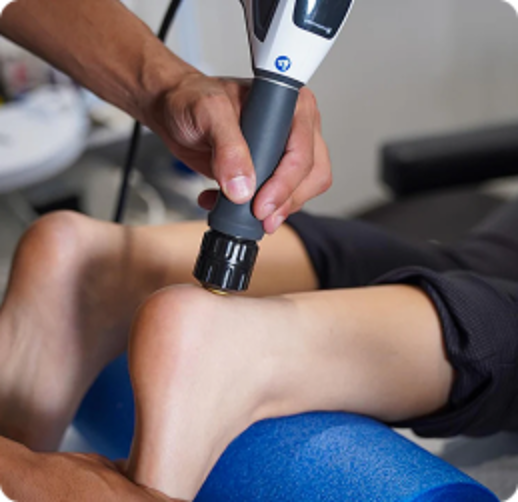
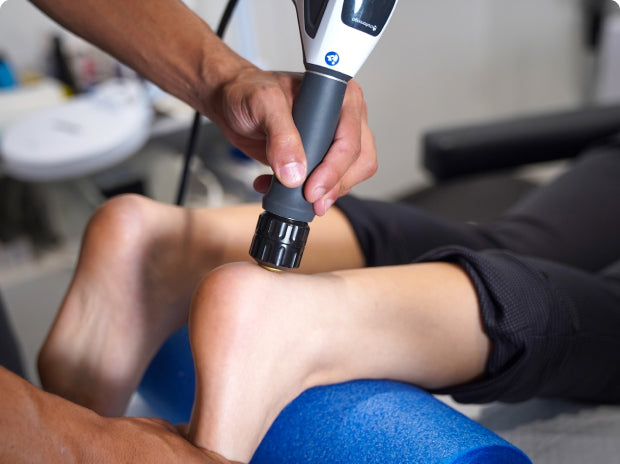
Shockwave Therapy
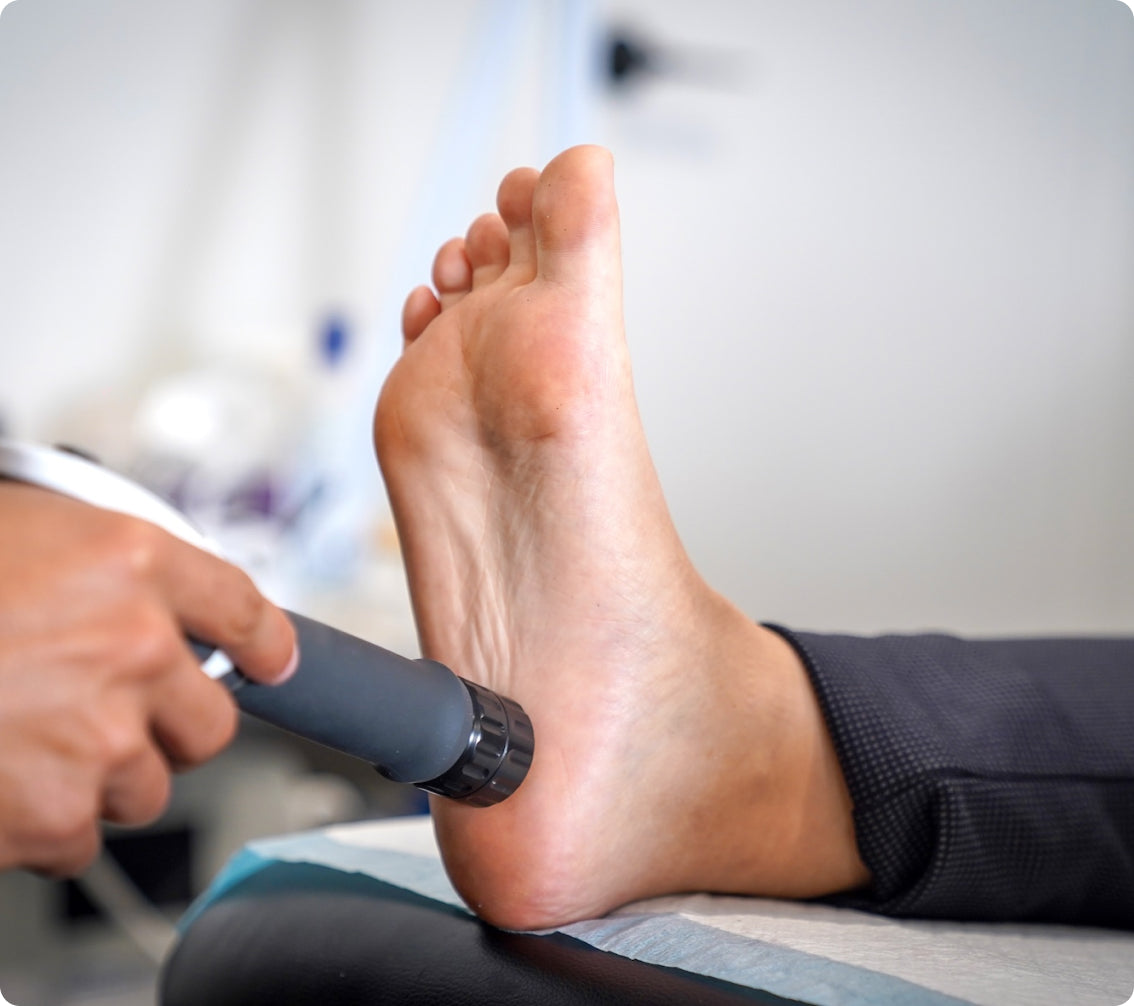
This is a newer treatment that uses high-energy sound waves and has been very effective for people with long-term plantar fasciitis. It helps stimulate healing and reduce pain more effectively over time naturally.

Custom Orthotics
Custom-made shoe insert, known as orthotics, are a great way to prevent and treat plantar fasciitis. They support your arch and reduce strain on the plantar fascia, dealing with both symptoms and the root cause.
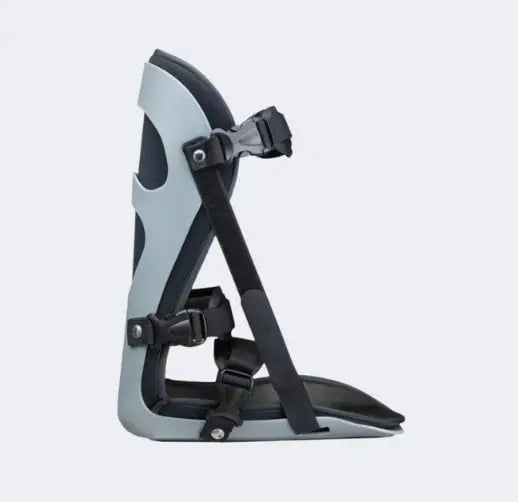
Night Splints
Wearing these splints while you sleep helps keep your foot in a good position and stops the plantar fascia from getting too tight. It usually makes your morning steps less painful and gives you some lasting relief.
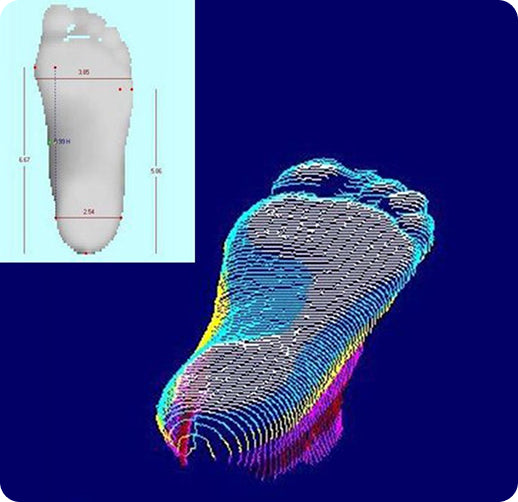
Assessment, Taping & More
Using gait analysis and pressure mapping, along with taping, stretching and exercise plans, and footwear guidance, treatment aims to reduce inflammation and support long-term healing outcomes.
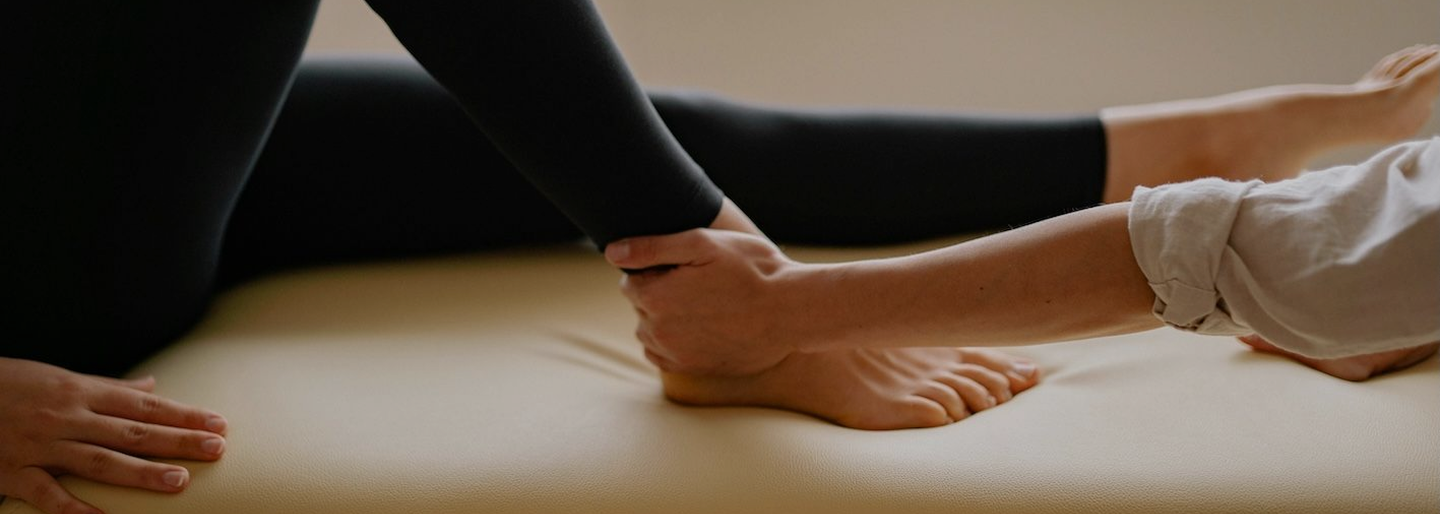
Why choose us for plantar fasciitis treatment?
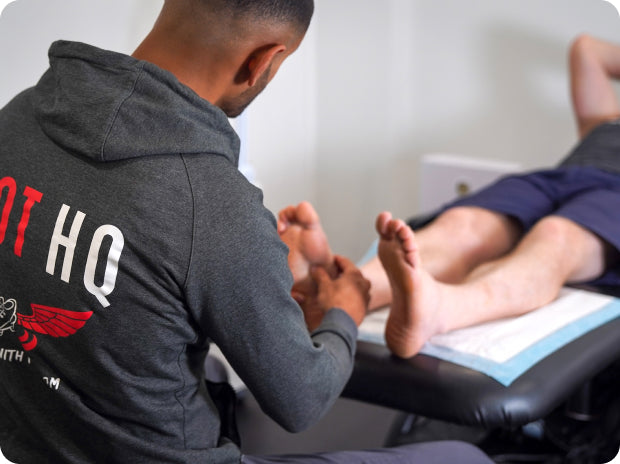
15+ Years Experience
With decades of combined experience, our podiatrists have treated every type of plantar fasciitis, from mild stiffness to long-term heel pain. We know what works and deliver reliable results.
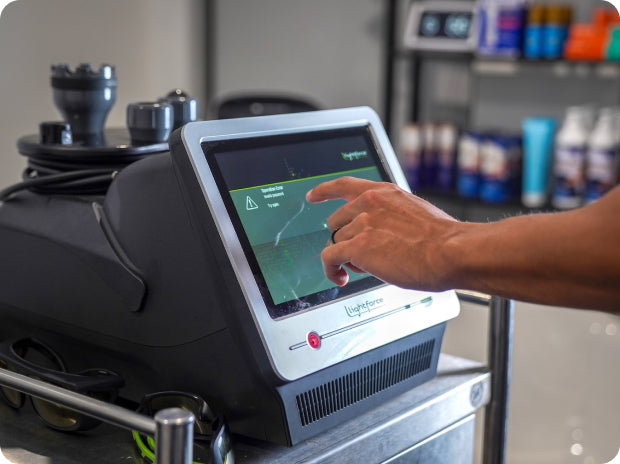
The Latest Technology
We use advanced technology like shockwave therapy, laser treatment, 3D-printed orthotics and pressure mapping to accurately diagnose plantar fasciitis and achieve strong results.
Unmatched Customer Care
From your first assessment through to recovery, we focus on every detail. Your plantar fasciitis treatment is tailored to your foot, lifestyle, and goals for lasting comfort and mobility.
Plantar Fasciitis FAQ
What is plantar fasciitis and why does it hurt so much?
Plantar fasciitis occurs when the plantar fascia ligament, the thick band of tissue running from your heel to your toes, becomes irritated or inflamed.
This ligament supports your arch and works closely with your foot muscles to absorb impact. When it is overloaded, it can cause sharp plantar heel pain, especially with your first steps in the morning or after rest.
How long does it take for plantar fasciitis to improve?
Most people notice pain relief within a few weeks once the right treatment plan is started.
Full recovery usually takes 6 to 12 weeks, depending on activity level, daily load, and whether the condition has progressed into chronic plantar fasciitis.
What treatments work best for plantar fasciitis?
The most effective treatment options depend on what is causing your pain. Common approaches include shockwave therapy, custom orthotics, laser therapy, physical therapy, stretching programs, gait correction, and footwear advice, such as wearing supportive shoes.
In more persistent cases, options like a corticosteroid injection may be discussed.
How much does plantar fasciitis treatment cost?
Appointment prices vary depending on the length of the session.
Initial Appointment: $100–$160
Follow-Up Appointment: $90–$160
Most patients receive 30–50% back through their health insurance, depending on their provider. This is not a quote; check with your insurer for exact rebates.
How many follow-up visits will I need for plantar fasciitis?
Most patients need around three appointments to resolve their plantar fasciitis pain. Our focus is long-term results, not frequent visits. We aim to address the root cause of your foot pain so it does not keep coming back.
Do I need a referral to book plantar fasciitis treatment?
No referral is required. You can book directly with us for fast and effective care for plantar fasciitis and related heel pain.
Who's prone to plantar fasciitis?
Plantar fasciitis can affect people of all ages. It is common in runners, athletes, people who stand or walk on hard surfaces for long hours, and those who have recently gained weight, including during pregnancy. Anyone experiencing ongoing plantar heel pain or arch discomfort may be at risk.
Why does plantar fasciitis happen?
Plantar fasciitis usually develops when the plantar fascia is placed under repeated strain. Common contributors include:
- Flat feet or high arches, which change how load moves through the foot
- Tight calf muscles, which increase tension through the heel and fascia
- Sudden increases in activity, such as returning to sport too quickly
- Repetitive movements, like running or prolonged standing
- Extra body weight, which increases stress on the plantar fascia
Addressing these factors early helps reduce pain and prevents the condition from becoming long-term.
What are the common symptoms of plantar fasciitis?
The main symptom is plantar fasciitis heel pain, often felt as sharp or aching pain near the heel, especially in the morning or after rest. Treatment options depend on severity and may include physical therapy, supportive shoes, orthotics, or other targeted care to reduce pain and support recovery.