

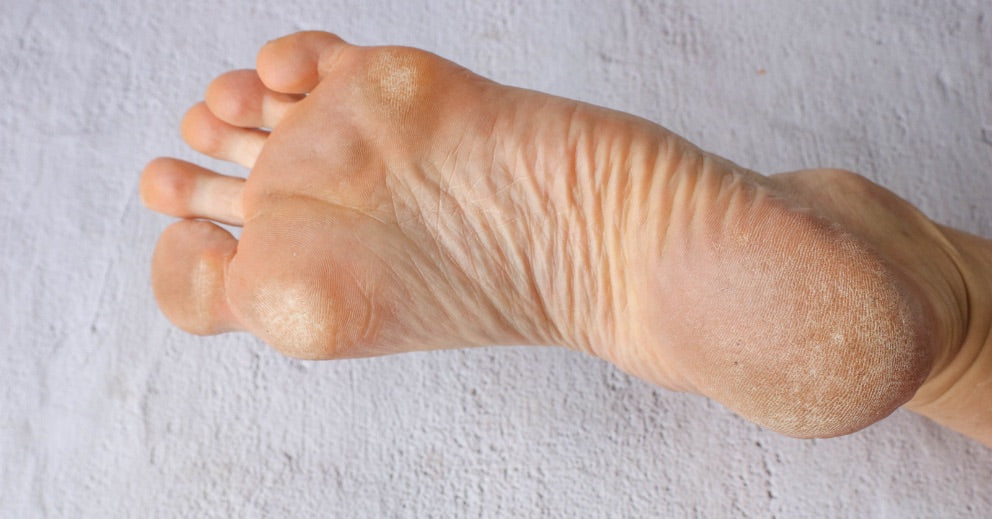
Here's a common misconception worth clearing up straight away: corns are not caused by wearing "cheap" shoes, and they're definitely not something you just have to live with if your job keeps you standing for hours. Plenty of people assume corns only happen to older adults or people with bad circulation, but the truth is much simpler. Corns form because of repeated friction and pressure on one spot of skin, and if you're on your feet all day, whether that's retail, hospitality, nursing, teaching, or a trade, you're in the exact conditions that cause them.
The good news is that once you understand what's actually driving corn formation, prevention becomes a lot more manageable.
TLDR: Corns develop from repeated pressure and friction, not poor hygiene or bad luck, which means standing all day genuinely increases your risk. The fix is a combination of well-fitted shoes, moisture management, regular skin care, and catching early warning signs before thickened skin turns into a painful corn. If corns keep coming back despite your best efforts, a podiatrist can identify the underlying pressure point causing them.
What's Actually Causing Corns When You Stand All Day
Corns are your skin's defence mechanism. When one area of the foot copes with repeated rubbing or pressure, the skin thickens to protect itself. Over time, that thickened patch hardens into a corn, usually with a small central core that presses into deeper tissue.
Common Pressure Points for People Who Stand for Work
-
Balls of the feet, from prolonged standing on hard flooring
-
Tops and sides of toes, from tight or narrow shoes
-
Between the toes, where moisture and friction combine
-
Heels, especially with unsupportive or worn-out footwear
Why Standing Jobs Make Corns More Likely
Sitting gives your feet regular breaks from load. Standing all shift doesn't. The constant pressure, combined with hard surfaces like concrete or tiled floors, speeds up the friction that leads to corns.
If you're also on your feet in shoes that don't fit quite right, or a uniform requires a specific style that isn't especially supportive, that combination becomes a recipe for recurring corns.
Footwear Choices That Reduce Corn Risk
Your shoes are the single biggest factor in corn prevention. If there's constant rubbing inside your shoe, no amount of foot cream will fully solve the problem.
What to Look For in Work Shoes
-
A roomy toe box that doesn't squeeze your toes together
-
Cushioned insoles to absorb pressure on hard floors
-
Proper width and length, not just a size that "feels close enough"
-
Breathable materials to reduce moisture build-up
Signs Your Current Shoes Are Contributing to Corns
If you notice red or shiny patches on your skin at the end of a shift, that's friction happening in real time. Shoes that feel fine for the first hour but tight by hour six are also a red flag, since feet naturally swell throughout the day.
It's worth trying shoes on later in the afternoon rather than first thing in the morning, so you're fitting for your feet at their largest, not their smallest.
Daily Habits That Help Prevent Corns
Beyond footwear, a few simple daily habits make a real difference over weeks and months of standing work.
Skin and Moisture Care
-
Moisturise feet daily to keep skin supple, avoiding the area between toes
-
Change socks if your feet sweat heavily during a shift
-
Use a pumice stone gently on areas of thickened skin, not sharp tools
-
Alternate between two pairs of work shoes so each pair fully dries out
Simple Adjustments During Your Shift
Shifting your weight regularly, rather than locking into one stance, reduces sustained pressure on the same spot. If your workplace allows anti-fatigue mats, standing on one for even part of your shift takes real pressure off the balls of your feet.
Padded insoles or silicone toe protectors can also redistribute pressure away from spots where corns have formed before.
When a Corn Needs Professional Attention
Some corns respond well to home care. Others keep coming back no matter what you try, and that's usually a sign there's an underlying structural or gait issue causing repeated pressure in the same spot.
Signs You Shouldn't Just Wait It Out
-
The corn is painful to walk on, not just uncomfortable
-
It keeps returning in the same spot after trimming
-
You have diabetes or reduced circulation, where self-treatment carries more risk
-
There's any sign of infection, such as redness, warmth, or discharge
What a Podiatry Visit Actually Involves
A podiatrist can safely remove the thickened core of a corn, which gives immediate relief, and more importantly, assess why it's forming in the first place. That might mean a footwear adjustment, a custom or off-the-shelf orthotic, or padding designed for your specific pressure points.
At Foot HQ, this kind of assessment looks at how you stand and walk, not just the corn itself, since long-term prevention depends on addressing the cause rather than repeatedly treating the symptom.
Get to the Cause of Recurring Corns
If corns keep showing up no matter what you try, it's worth getting the underlying cause checked rather than treating each one as it appears. The team at Foot HQ can assess your footwear, gait, and pressure points to work out what's actually driving the problem.
Booking a visit is a straightforward next step toward standing all day without the same recurring pain.
Key Takeaways
-
Corns form from repeated friction and pressure, which standing jobs make more likely
-
Well-fitted, cushioned shoes are the most effective prevention tool
-
Daily moisturising and gentle pumice use help manage thickened skin
-
Recurring corns in the same spot usually point to an underlying pressure issue
-
A podiatrist can remove painful corns safely and identify the root cause
FAQ
Can the type of flooring at work actually cause corns, or is it just the shoes?
Flooring plays a real role. Hard surfaces like concrete or tile increase pressure on the feet compared to softer flooring, which is why anti-fatigue mats are commonly used in standing jobs. Combined with poorly fitted shoes, hard flooring speeds up how quickly corns develop.
How long does it typically take for a corn to form from daily standing?
It varies from person to person, but noticeable thickening can develop within a few weeks of consistent friction in the same spot. Some people notice redness or sensitivity even sooner, which is the ideal time to make changes before a full corn sets in.
Is it safe to use over-the-counter corn removal pads?
Medicated corn pads contain acid that softens skin, and they can work for some people, but they're not recommended for anyone with diabetes, poor circulation, or thin, fragile skin. They also don't address why the corn formed, so it's common for it to return.
Will losing weight or changing my walking pattern reduce corns from standing work?
Body weight and gait both affect how pressure is distributed across your feet, so changes in either can influence corn formation. That said, footwear and standing surface tend to have a much more immediate impact for people in standing jobs specifically.
What should I do if a corn suddenly becomes very painful or looks infected?
Stop any home treatment and get it checked promptly, especially if you notice swelling, warmth, or discharge. This is particularly important if you have diabetes, as foot infections can progress quickly and need professional care.


Share: