

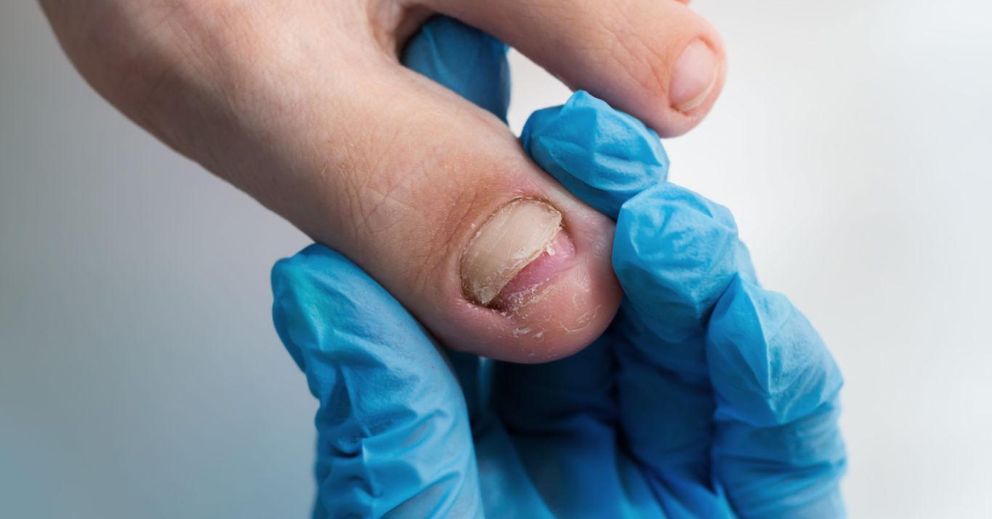
A painful toenail might seem like a minor inconvenience, but it can quickly become a serious problem that affects your daily activities. Whether you're dealing with an ingrown nail, infection, or persistent discomfort, knowing when to seek professional help can save you from complications and get you back on your feet comfortably.
TLDR: See a podiatrist for toenail pain that persists beyond a few days, shows signs of infection, or interferes with walking. Professional treatment prevents complications and provides faster, more effective relief than home remedies alone.
Understanding Common Toenail Problems
Toenail pain isn't always straightforward. What starts as minor discomfort can stem from various underlying issues that require different approaches to treatment.
Ingrown Toenails
Ingrown toenails occur when the nail edge grows into the surrounding skin, causing pain, swelling, and potential infection. This condition commonly affects the big toe and can result from improper nail trimming, tight footwear, or genetic predisposition.
The pain typically starts as mild discomfort but can escalate quickly if bacteria enter the affected area. You'll notice redness, warmth, and sometimes pus around the nail edge.
Nail Fungal Infections
Fungal infections can cause significant discomfort as they progress. The nail may become thick, discoloured, and brittle, leading to pain when pressure is applied during walking or wearing shoes.
These infections thrive in warm, moist environments and can be stubborn to treat without professional intervention. Early treatment prevents the infection from spreading to other nails.
Nail Trauma and Injuries
Dropping something heavy on your toe or repetitive pressure from ill-fitting shoes can cause nail trauma. The nail may become bruised, loose, or develop a haematoma (blood under the nail).
While minor trauma might heal on its own, significant injuries require professional assessment to prevent complications and ensure proper healing.
Warning Signs That Require Professional Care
Certain symptoms indicate it's time to move beyond home treatment and seek professional podiatric care. Recognising these warning signs early can prevent minor issues from becoming major problems.
Signs of Infection
Bacterial infections around the toenail can develop rapidly and require immediate attention. Look for these concerning symptoms:
-
Increased redness spreading beyond the immediate nail area
-
Warmth and throbbing pain that worsens over time
-
Pus or unusual discharge from around the nail
-
Red streaking extending up the toe or foot
-
Fever or general feeling of being unwell
Persistent Pain That Interferes With Daily Life
Pain that doesn't improve after a few days of basic care warrants professional evaluation. If you're changing how you walk, avoiding certain shoes, or finding it difficult to perform normal activities, it's time to see a podiatrist.
Chronic pain can lead to compensatory movement patterns that create problems in other parts of your feet, legs, or back.
Recurring Problems
If you've dealt with the same toenail issue multiple times, professional treatment can address the underlying cause rather than just managing symptoms. Recurring ingrown nails, for example, might require a minor procedure to prevent future occurrences.
Special Considerations for High-Risk Individuals
Certain health conditions and circumstances make toenail problems more serious and require prompt professional attention.
Diabetes and Circulation Issues
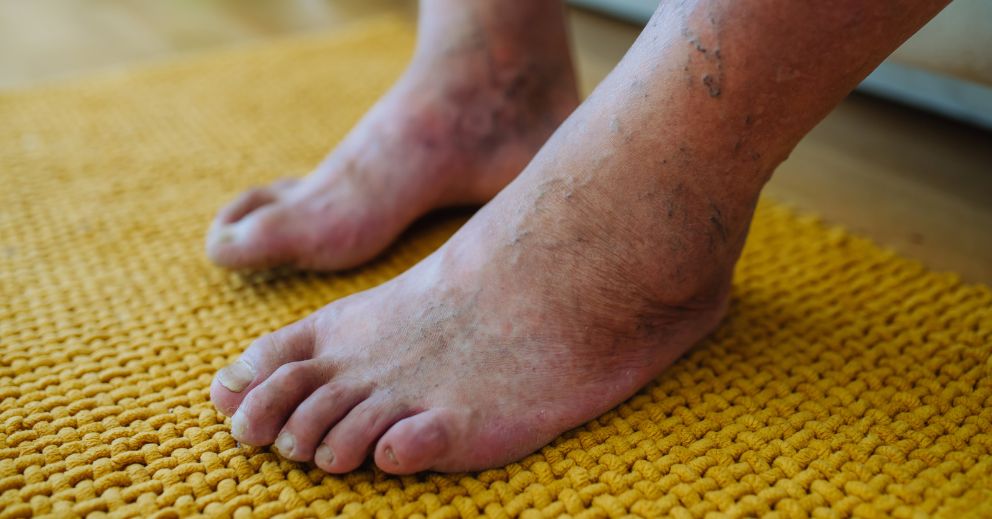
People with diabetes should see a podiatrist for any toenail concern, regardless of how minor it seems. Diabetes can affect circulation and nerve sensation, making it harder to detect problems early and slower to heal injuries.
Poor circulation means infections can develop quickly and be more difficult to treat. What might be a minor issue for someone else could become a serious complication for a diabetic patient.
Compromised Immune System
If you're taking medications that suppress your immune system or have conditions that affect your body's ability to fight infection, don't wait to seek treatment for toenail problems.
Your body may not be able to fight off bacterial or fungal infections effectively, making professional treatment essential even for seemingly minor issues.
Peripheral Vascular Disease
Poor blood flow to the feet makes healing more difficult and increases the risk of complications from toenail injuries or infections. Early professional intervention is crucial for anyone with circulation problems.
What to Expect During Your Podiatrist Visit
Understanding what happens during a podiatric consultation can help ease any anxiety about seeking treatment and ensure you get the most from your appointment.
Initial Assessment and Examination
Your podiatrist will begin with a thorough examination of the affected toenail and surrounding area. They'll assess the severity of the problem, look for signs of infection, and evaluate your overall foot health.
Be prepared to discuss when the pain started, what makes it better or worse, and any treatments you've already tried. This information helps guide the most appropriate treatment approach.
Treatment Options Available
Depending on your specific condition, treatment might range from conservative management to minor surgical procedures. Common treatments include:
-
Professional nail trimming and debridement
-
Antibiotic therapy for infections
-
Antifungal medications for nail fungus
-
Partial nail removal for severe ingrown nails
-
Drainage of abscesses or haematomas
Pain Management and Follow-up Care
Your podiatrist will provide specific instructions for managing pain and caring for your toe during recovery. This might include wound care instructions, activity modifications, and follow-up appointment scheduling.
Proper aftercare is crucial for successful treatment outcomes and preventing recurrence of the problem.
Prevention Strategies and Ongoing Care
Once you've addressed the immediate problem, implementing preventive measures can help avoid future toenail issues and maintain healthy feet.
Proper Nail Care Techniques
Learning the correct way to trim your toenails is fundamental to preventing future problems. Cut nails straight across rather than in a curved shape, and avoid cutting them too short.
Use clean, sharp nail clippers and consider having your nails professionally maintained if you have difficulty reaching your feet or have vision problems.
Footwear Considerations
Wearing properly fitted shoes with adequate toe room can prevent many toenail problems. Avoid shoes that squeeze your toes together or put excessive pressure on the nail area.
Consider the activities you'll be doing and choose appropriate footwear. Running shoes should have extra room in the toe box to accommodate foot swelling during exercise.
Maintaining Good Foot Hygiene
Keep your feet clean and dry, especially between the toes where moisture can accumulate. Change socks regularly and choose breathable materials that wick moisture away from your skin.
If you're prone to fungal infections, consider using antifungal powder in your shoes and rotating footwear to allow them to dry completely between wears.
When Home Treatment Isn't Enough
Many people try to manage toenail pain at home before seeking professional help, which is often appropriate for minor issues. However, it's important to recognise when home remedies have reached their limits.
Limitations of DIY Treatments
Soaking feet in warm salt water and applying antibiotic ointment can help with minor irritation, but these methods won't address structural problems or serious infections.
Attempting to perform "bathroom surgery" on ingrown nails often makes the problem worse and increases the risk of infection. What seems like a simple fix can create complications that require more extensive treatment.
The Cost of Delaying Treatment
Putting off professional treatment might seem like it saves money, but complications from untreated toenail problems can be much more expensive to address.
Simple in-office procedures performed early are typically less invasive and less costly than treating advanced infections or complications that develop from delayed care.
Get Professional Care for Your Toenail Pain
Don't let toenail pain limit your daily activities or potentially develop into a serious complication. At Foot HQ, our experienced podiatrists provide comprehensive care for all types of toenail problems, from simple ingrown nails to complex infections.
We understand that foot pain affects every aspect of your life, and we're committed to getting you back to comfortable, pain-free movement as quickly as possible. Our clinic offers convenient appointment times and comprehensive treatment options.
Whether you're dealing with an acute toenail injury or chronic recurring problems, our team has the expertise to provide effective, lasting solutions. We'll work with you to not only treat your current issue but also develop strategies to prevent future problems.
Contact Foot HQ today to schedule your consultation and take the first step toward healthier, more comfortable feet.
Key Takeaways
-
See a podiatrist immediately if you notice signs of infection like pus, red streaking, or fever
-
Don't ignore persistent pain that interferes with daily activities or walking
-
People with diabetes, circulation problems, or compromised immune systems should seek professional care for any toenail concern
-
Recurring toenail problems often require professional intervention to address underlying causes
-
Early professional treatment is typically less invasive and more cost-effective than treating complications
-
Proper nail care, appropriate footwear, and good foot hygiene can prevent many toenail problems


Share: