

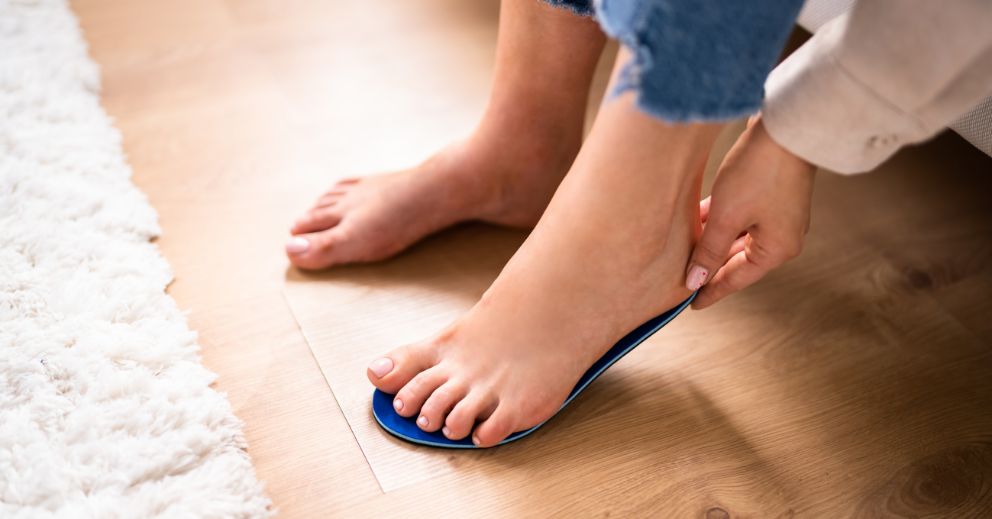
Orthotics are one of those things people tend to forget about until something starts to feel off. Maybe your feet are aching again, or you've noticed your shoes are wearing unevenly. Often, the culprit is a pair of orthotics that have quietly worn out and stopped doing their job.
Summarize heel pain treatment insights in ChatGPT
TLDR: Most orthotics last between one and five years, depending on the type, how often you wear them, and your activity level. Regular check-ins with a podiatrist are the best way to know when it's time for a replacement.
Why Orthotics Don't Last Forever
What happens to orthotics over time
Orthotics absorb a lot of pressure day after day. Whether you're walking, running, or just standing at work, they're constantly being compressed and flexed. Over time, the materials break down and lose their ability to support your foot properly.
When an orthotic loses its structural integrity, it stops correcting your gait, redistributing pressure, or cushioning impact the way it should. At that point, wearing it can actually make things worse by giving you a false sense of support.
The materials matter
Orthotics are made from a range of materials, from rigid carbon fibre and hard plastics to softer EVA foam and gel composites. Harder materials tend to last longer but can still lose their shape. Softer materials compress faster, especially under heavier loads or high daily step counts.
The top cover, which sits directly under your foot, often wears out before the shell does. Even if the base still looks intact, a worn-down top cover can reduce comfort and hygiene significantly.
How Long Do Orthotics Typically Last?
Custom orthotics
Custom-made orthotics, prescribed and fitted by a podiatrist, are built from higher-quality materials and designed specifically for your foot structure. They generally last between two and five years with regular use.
That said, your needs can change. Weight changes, injury, surgery, or natural ageing can all shift the way your foot functions, meaning an orthotic that was perfect three years ago might no longer be the right fit for you today.
Over-the-counter orthotics
Prefabricated or off-the-shelf orthotics are more affordable but typically have a shorter lifespan. Most last between six months and two years, depending on the quality and how hard you use them.
If you've been using a generic insole from a pharmacy or sporting goods store, it's worth checking whether it's still providing any meaningful support or just adding a bit of cushioning at this point.
Sports and activity-specific orthotics
Orthotics worn during high-impact activities like running, football, or hiking wear out faster than those used for everyday walking. If you're logging serious kilometres each week, your orthotics might need replacing every twelve to eighteen months.
It's a good idea to track your mileage the same way you would with running shoes. Heavy training loads accelerate material fatigue, even in well-made custom devices.
Signs Your Orthotics Need Replacing
Physical signs of wear
-
Visible cracks, splits, or deformation in the shell or base
-
The top cover is worn smooth, peeling, or has developed odour that won't go away
-
The orthotic no longer sits flat or rocks when placed on a hard surface
-
Noticeable thinning or compression in the heel or arch area
Symptoms returning in your feet or body
-
Heel pain or plantar fasciitis symptoms coming back
-
Knee, hip, or lower back pain that had previously settled
-
New blisters, calluses, or pressure sores developing
-
General foot fatigue that wasn't there before
Returning symptoms are one of the most reliable indicators that your orthotics aren't doing their job anymore. Don't assume the pain is just a flare-up before ruling out worn-out devices.
Changes in your footwear
If your shoes are wearing down unevenly, especially at the heel or inner edge, it could mean your orthotics have lost their corrective function. Your gait pattern may have reverted, putting stress back on the areas the orthotics were designed to protect.
When to See a Podiatrist About Your Orthotics
Annual reviews make a difference
Even if your orthotics look fine and feel okay, an annual review with a podiatrist is worth building into your routine. A podiatrist can assess whether your device still matches your foot function, check for hidden wear, and adjust or replace it before problems creep back in.
This is especially important for children, whose feet change rapidly, and for people managing chronic conditions like diabetes, arthritis, or flat feet.
After injury or significant lifestyle changes
If you've had a foot or lower limb injury, started a new sport, changed jobs to something more physically demanding, or experienced significant weight change, it's worth getting your orthotics reassessed. The prescription that worked before may no longer be appropriate.
Getting a new pair fitted
When it is time for new orthotics, a podiatrist will typically reassess your gait, foot posture, and any symptoms you're experiencing before prescribing a replacement. It's not just a case of ordering the same thing again. Your feet and needs may have shifted, and the new device should reflect that.
Making Your Orthotics Last Longer
Simple maintenance habits
-
Remove orthotics from your shoes at night to let them air out
-
Wipe them down regularly with a damp cloth to prevent bacteria and odour build-up
-
Avoid leaving them in hot cars or direct sunlight, which can warp the materials
-
Rotate between two pairs if you wear orthotics daily in multiple pairs of shoes
Matching orthotics to the right footwear
Using orthotics in shoes that don't accommodate them properly puts extra stress on the device. Shoes with removable insoles and a firm heel counter give your orthotics the best environment to function and last.
Wearing custom orthotics in flimsy or unsupportive footwear is a bit like putting a good engine in a car with no suspension. The orthotic can only do so much if the shoe isn't doing its part.
Don't Guess. Get Your Orthotics Assessed.
If you're not sure whether your orthotics are still doing their job, the team at Foot HQ can assess your current devices and help you work out the best next step, whether that's a repair, a replacement, or just a reassurance that you're fine for now.
Book a consultation and get some clarity on what your feet actually need.
Key Takeaways
-
Custom orthotics typically last two to five years; over-the-counter versions last six months to two years
-
High-impact activities like running accelerate wear and may require replacement every twelve to eighteen months
-
Returning pain, visible wear, and uneven shoe wear are all signs it's time for a replacement
-
Annual podiatrist reviews help catch deterioration before symptoms return
-
Proper care, including airing out and avoiding heat, extends the life of your orthotics
-
Your foot function can change over time, so a new pair isn't always a like-for-like replacement
FAQ
Can I tell if my orthotics are worn out just by looking at them?
Sometimes, yes. Visible cracks, a flattened arch, or a worn-down top cover are clear signs. But internal structural fatigue isn't always visible to the naked eye. An orthotic can look intact while having lost most of its corrective function, which is why a professional assessment is more reliable than a visual check alone.
Do children need their orthotics replaced more often than adults?
Yes, generally. Children's feet grow quickly, which means an orthotic that fit perfectly six months ago may no longer match the shape or function of their foot. Most podiatrists recommend reviewing children's orthotics every six to twelve months, depending on their growth rate and activity level.
Is it worth repairing orthotics instead of replacing them?
In some cases, yes. A worn top cover can often be replaced without needing a whole new device, which can extend the life of a well-made custom orthotic at a lower cost. However, if the shell itself is cracked or deformed, or if your foot function has changed, a full replacement is usually the better investment.
Will my health insurance cover the cost of new orthotics?
Many Australian private health insurance policies with extras cover include a benefit for custom orthotics, though the rebate amount and frequency limits vary between funds. It's worth checking your policy details before your appointment. Your podiatrist can also provide the relevant item codes to help with your claim.
What's the difference between getting orthotics from a podiatrist versus a pharmacy?
Pharmacy or over-the-counter insoles are prefabricated and designed for general foot shapes, not your specific biomechanics. Custom orthotics from a podiatrist are prescribed after a full assessment of your gait, foot posture, and any conditions you're managing. For mild discomfort, off-the-shelf options can help, but for ongoing pain or structural issues, custom devices are typically far more effective.


Share: