

Most people don't think twice about the way they walk. It just happens. But the truth is, the way your body moves when you walk or run has a direct impact on everything from your feet and ankles right up to your hips, back, and even your shoulders. That's exactly what gait analysis looks at.
TLDR: Gait analysis is a clinical assessment of how you walk or run. It identifies movement patterns, biomechanical imbalances, and loading issues that may be causing pain or injury, and it guides treatment decisions like custom orthotics, footwear advice, and exercise therapy.
What Gait Analysis Actually Involves
Gait analysis is the process of observing and measuring how you move when you walk or run. A trained podiatrist watches the way your feet strike the ground, how your ankles roll, how your knees track, and how your hips and pelvis shift with each step.
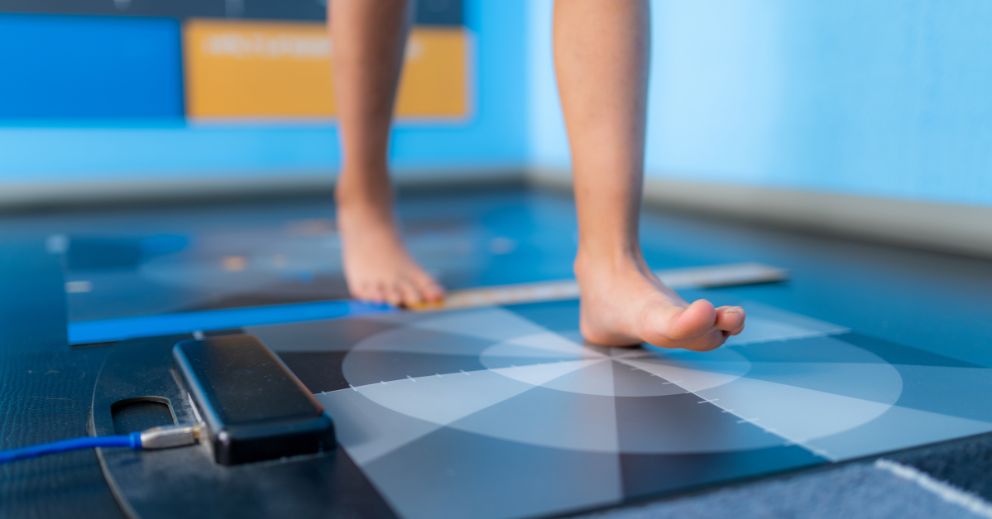
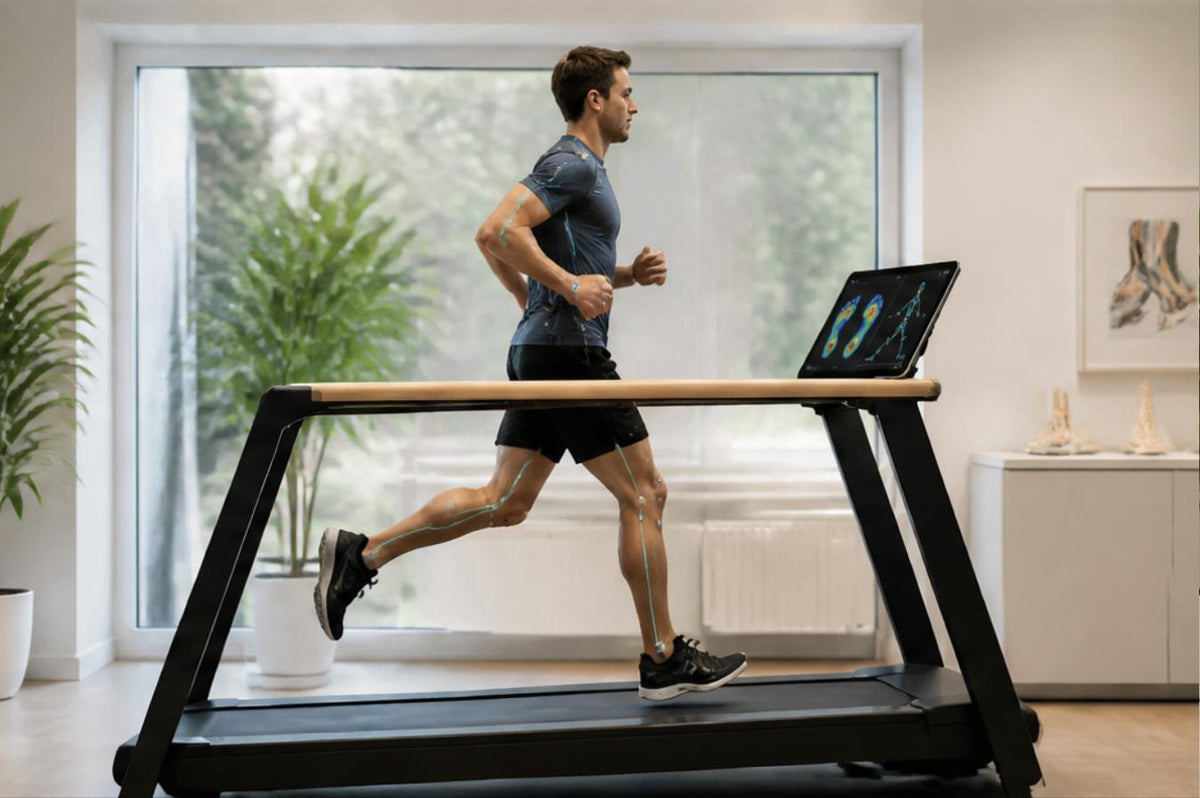
In a clinical setting, this can be done through direct observation, video analysis, or pressure plate technology. Some clinics use treadmill-based assessments with slow-motion video so the practitioner can review your movement frame by frame. Others use force plates that map exactly where and how hard your foot is loading with each stride.
What Gets Assessed During the Analysis
A thorough gait assessment looks at a wide range of movement patterns, including:
-
Foot strike pattern (heel, midfoot, or forefoot landing)
-
Pronation and supination of the ankle and foot
-
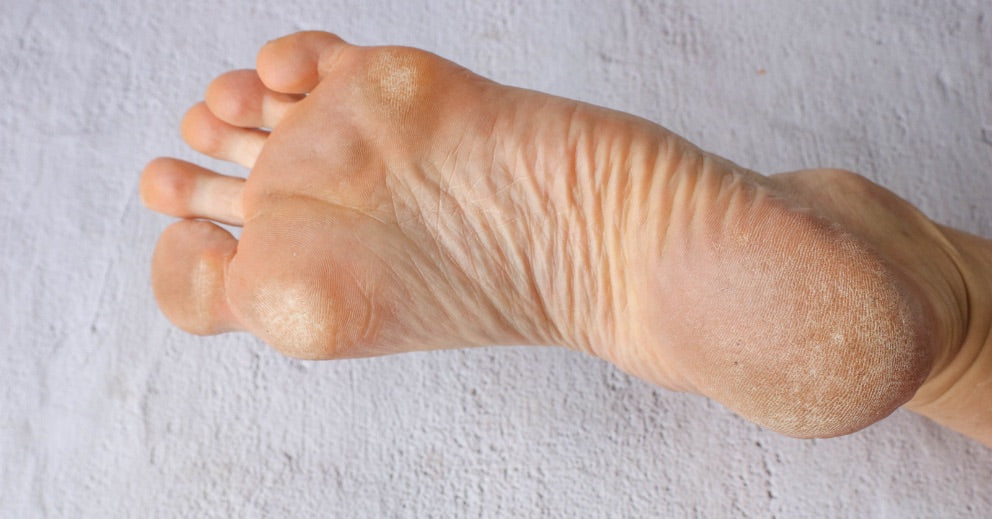
Arch height and how it changes under load
-
Knee alignment and tracking through the gait cycle
-
Hip movement and pelvic tilt
-
Step length, stride width, and walking speed
-
Posture and upper body movement
Is It Only for Runners?
Not at all. While running gait analysis gets a lot of attention, walking gait assessment is just as valuable. Anyone experiencing foot pain, knee discomfort, lower back ache, or recurring injuries can benefit from having their movement assessed, regardless of how active they are.
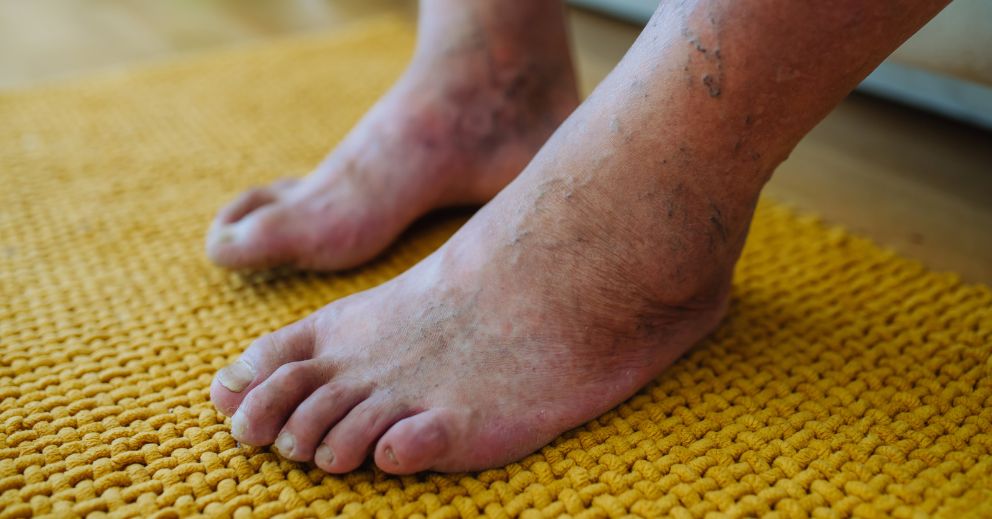
It's also useful for children whose walking pattern looks unusual, older adults dealing with balance issues, and people returning to activity after an injury or surgery.
Why Your Walking Pattern Matters More Than You Think
Your gait is essentially a chain reaction. Each time your foot hits the ground, a series of forces travel up through your ankle, knee, hip, and spine. If something is off at the base, those forces don't distribute the way they should, and over time, that leads to overuse injuries, chronic pain, and compensatory movement patterns that make things worse.
Overpronation, for example, is one of the most common findings in gait assessments. It means the foot rolls inward excessively during the stance phase of walking or running. Left unaddressed, this can contribute to plantar fasciitis, shin splints, knee pain, and even hip discomfort.
Common Issues Gait Analysis Can Uncover
-
Flat feet or fallen arches causing poor load distribution
-
High arch (supination) leading to lateral ankle instability
-
Leg length discrepancy affecting pelvic alignment
-
Toe-in or toe-out walking patterns linked to hip rotation
-
Heel striking with excessive impact force
-
Weak glutes or hip flexors altering lower limb mechanics
The Link Between Gait and Chronic Pain
A lot of people live with recurring pain that never quite gets explained. They try physio, rest, new shoes, and stretching, but the pain keeps coming back. In many cases, an undetected gait abnormality is the underlying driver.
Once the movement pattern is identified and corrected, whether through orthotics, footwear changes, or targeted strengthening, the pain often resolves in a way that nothing else managed to achieve.
How Gait Analysis Guides Treatment
The real value of gait analysis isn't just in identifying a problem. It's in giving your podiatrist the information they need to prescribe the right treatment for your specific movement pattern, not a generic solution.
Two people can present with the same knee pain and have completely different gait findings. That means they need different treatment plans, and without a proper assessment, it's easy to miss the root cause.
Custom Orthotics Based on Your Gait
One of the most common outcomes of a gait assessment is a prescription for custom foot orthotics. These are shoe inserts made specifically for your foot shape and movement pattern, designed to correct biomechanical issues and reduce abnormal loading.
Unlike off-the-shelf insoles, custom orthotics are based on your actual gait data. That makes them far more targeted and effective for addressing the specific issues found during your assessment.
Footwear Recommendations That Actually Fit Your Feet
Gait analysis also informs footwear advice. Not every shoe suits every foot type, and wearing the wrong shoe for your gait pattern can make things significantly worse. A podiatrist can recommend shoe categories (motion control, stability, neutral cushioning) based on what your assessment reveals.
This is especially relevant for runners choosing between different running shoe types, or for workers who spend long hours on their feet and need the right occupational footwear.
Exercise and Rehabilitation Programs
Sometimes the issue isn't structural, it's muscular. Weak hip stabilisers, tight calves, or poor ankle mobility can all affect gait mechanics. In these cases, a targeted exercise program to strengthen or lengthen specific muscle groups can dramatically improve movement quality.
Your podiatrist may work alongside a physiotherapist or exercise physiologist to address these findings, particularly for athletes or people recovering from lower limb injuries.
Get a Gait Assessment
If you're dealing with any kind of recurring lower limb pain, it's worth getting your gait assessed. But you don't need to be in pain to benefit. Gait analysis is also useful as a preventive tool, particularly if you're taking up running, increasing your training load, or returning to sport after time off.
At Foot HQ, gait assessments are part of a broader biomechanical evaluation that looks at the full picture of how your body moves, not just your feet in isolation.
The team takes a thorough, evidence-based approach to understanding your movement before recommending any treatment, so get in touch today.
Key Takeaways
-
Gait analysis assesses how you walk or run to identify biomechanical issues that may be causing pain or injury.
-
It looks at foot strike, pronation, arch mechanics, knee tracking, hip movement, and more.
-
Common findings include overpronation, supination, leg length discrepancy, and poor hip stability.
-
Results directly guide treatment, including custom orthotics, footwear recommendations, and exercise programs.
-
You don't need to be a runner or an athlete to benefit from a gait assessment.
-
Children, older adults, and people with chronic pain can all gain valuable insights from a movement assessment.
-
Treating the underlying gait issue, rather than just the symptom, tends to produce more lasting results.
FAQ
How long does a gait assessment take?
A standard gait assessment as part of a podiatry consultation typically takes between 30 and 60 minutes. This includes a history of your symptoms, a physical examination of your feet and lower limbs, and the movement assessment itself.
If video analysis or pressure plate technology is used, there may be additional time to review and discuss the findings with you in detail.
Do I need a referral to get a gait analysis done?
In most cases, no. You can book directly with a podiatrist for a biomechanical assessment without needing a GP referral. However, if you're planning to claim through a chronic disease management plan or a health fund, it's worth checking the requirements beforehand.
Will I need orthotics after a gait assessment?
Not necessarily. Orthotics are one possible outcome, but they're not the default recommendation for everyone. Some people benefit more from footwear changes, a targeted exercise program, or a combination of approaches.
The assessment findings will guide what's actually appropriate for your situation, rather than a one-size-fits-all approach.
Can gait analysis help with lower back pain?
It can, particularly when the back pain is linked to biomechanical issues in the lower limbs. Leg length discrepancies, overpronation, and poor hip mechanics can all alter the way load travels through the spine, contributing to chronic back discomfort.
A podiatrist can assess the lower limb contribution to your back pain and work collaboratively with other practitioners if needed.
What should I wear to a gait assessment appointment?
Wear comfortable clothing that allows the practitioner to observe your knees and lower legs clearly, such as shorts or fitted leggings. Bring the shoes you wear most often, including your everyday footwear and any sports shoes, as the wear pattern on your soles provides useful diagnostic information.
If you're a runner, it helps to bring your current running shoes as well as any previous pairs if you still have them.

Share: