

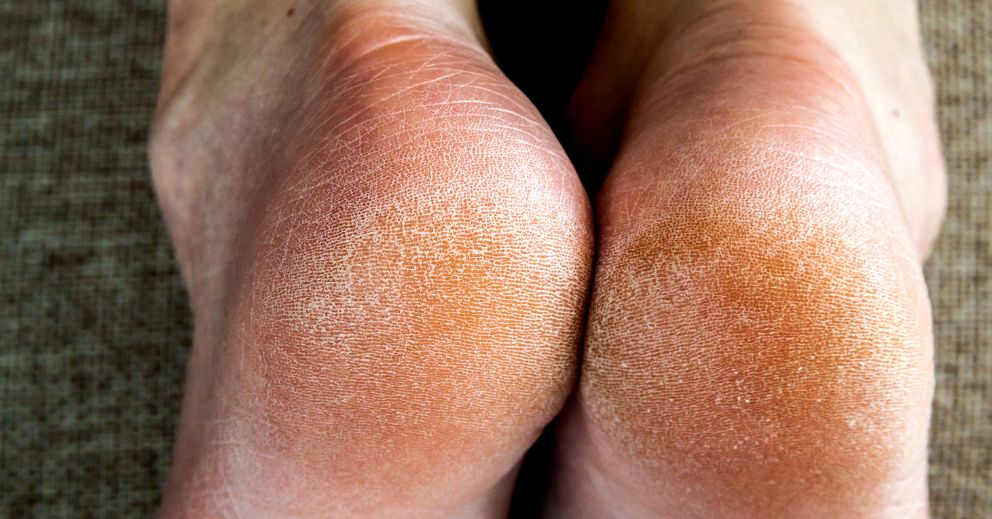
Most people don't think much about their foot skin until something goes wrong. A patch of rough skin becomes a painful crack. A callus that seemed harmless starts affecting how you walk. Suddenly, you're wondering whether to grab something off the pharmacy shelf or book an appointment with a podiatrist.
TLDR: At-home foot care works well for maintenance and mild dryness, but cracked heels, calluses, corns, and persistent skin conditions genuinely need professional treatment. Knowing the difference saves you time, money, and a fair bit of discomfort.
What You Can Realistically Manage at Home
Home foot care is genuinely useful, and for most people with healthy feet, a simple routine goes a long way. The key is knowing what you're actually dealing with before you start treating it.
Daily moisturising for dry skin
Dry skin on the feet is incredibly common, especially through winter or if you spend a lot of time in air conditioning. A good urea-based moisturiser applied daily, particularly after a shower when skin is still a little damp, can keep dryness under control before it becomes a problem.
Look for creams containing 10 to 25 percent urea. These are available at most pharmacies and are much more effective than basic body lotion for foot skin, which tends to be thicker and harder to penetrate.
Gentle exfoliation
A pumice stone or foot file used once or twice a week can help manage mild surface buildup on the heels and balls of the feet. The important word there is "gentle." Aggressive scrubbing doesn't speed things up and can actually irritate the skin or cause small abrasions.
Always use a pumice stone on damp skin, never dry, and avoid it entirely if you have diabetes, poor circulation, or any broken skin.
Keeping feet clean and dry
Washing feet properly (including between the toes) and drying them thoroughly is the most underrated part of foot skin care. Moisture trapped between the toes creates the perfect environment for fungal infections like tinea pedis, better known as athlete's foot.
When home care is enough
If your skin is mildly dry, a little rough, or just feeling neglected, a consistent home routine will usually do the job. The problem is that many people only start treating their feet once things have already progressed past that point.
Where Home Treatments Fall Short
There's a big gap between "a bit dry" and "cracked heels that bleed when you walk." Home treatments are not designed to close that gap safely on their own.
Cracked heels
Deep heel fissures are one of the most common reasons people end up in a podiatry clinic. Once the skin has cracked below the surface layer, moisturiser alone won't fix it. The fissures need to be debrided (the thickened skin removed) before any cream can actually reach and hydrate the tissue underneath.
Trying to file down deep cracks at home risks making them worse, especially if you go too deep or use the wrong tool. Infected heel fissures are painful and can take weeks to resolve without the right treatment.
Calluses and corns
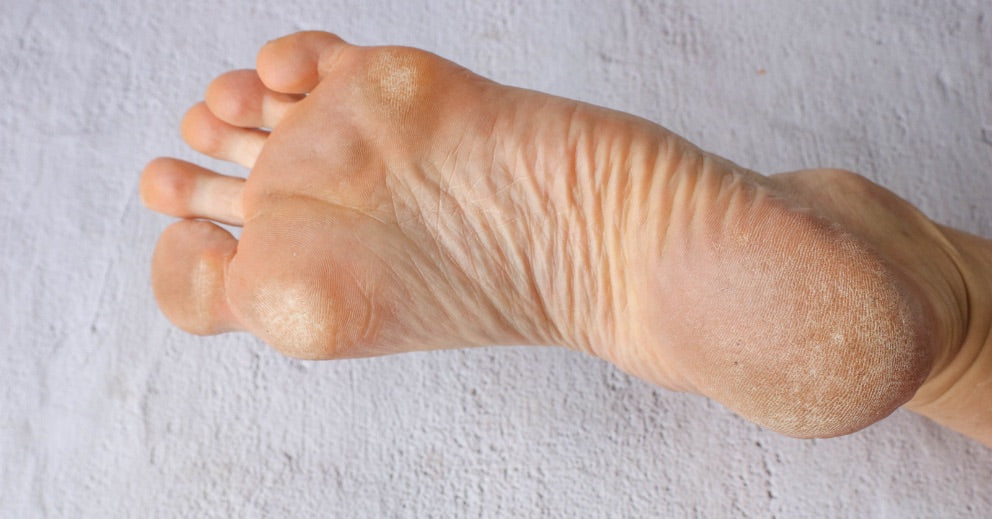
Calluses form in response to pressure and friction. Corns are a more concentrated version of the same thing, often with a hard central core. Both are very common, and both are frequently mismanaged at home.
Over-the-counter corn pads and medicated plasters contain salicylic acid, which softens the skin. The problem is they can't distinguish between the corn and the healthy skin around it, and in people with reduced sensation or circulation (including many diabetic patients), they carry a real risk of chemical burns and ulceration.
A podiatrist can remove a corn or callus in a single appointment, usually with no pain and no downtime. It's one of those treatments that feels almost absurdly straightforward once you've had it done professionally.
Fungal nail and skin infections
Tinea and fungal nail infections (onychomycosis) don't always respond to over-the-counter antifungal creams, especially if the infection is well-established or has spread to the nail. Getting a proper diagnosis matters here because not all discoloured or thickened nails are fungal, and treating the wrong thing wastes time.
Plantar warts
Plantar warts are caused by the human papillomavirus (HPV) and grow on the sole of the foot, often looking like a rough, flat patch of skin. Home freezing kits and salicylic acid treatments work for some people, but they're slow, can be painful, and have a high recurrence rate. Clinic-based treatments are generally faster and more targeted.
Why Professional Foot Care Gets Better Results
It's not that podiatrists have access to some secret technology unavailable to the public. It's that they have the training to accurately assess what's happening with your skin, the tools to treat it properly, and the clinical judgement to know when something needs more than a topical cream.
Accurate diagnosis before treatment
A lot of foot skin problems look similar on the surface. A corn and a wart can be easy to confuse. Dry skin and a mild fungal infection can look nearly identical. Treating the wrong condition doesn't just fail to help, it can make things worse.
When a podiatrist assesses your feet, they're not just looking at the skin in isolation. They're considering your footwear, your gait, your medical history, and any underlying factors that might be contributing to the problem.
Debridement and professional-grade tools
Podiatrists use scalpels and specialist instruments to safely remove thickened, callused, or damaged skin in a way that simply isn't possible with a pumice stone or foot file. The results are immediate and the process is precise, removing exactly what needs to go without disturbing healthy tissue.
Prescription-strength and specialised treatments
For stubborn fungal infections, podiatrists can prescribe or recommend pharmaceutical-grade antifungal treatments. For warts, they have access to stronger acids, cryotherapy, and other clinic-only options. For heel fissures, they can apply tissue adhesive or specialised dressings that hold cracks together while they heal.
Ongoing care plans for chronic skin conditions
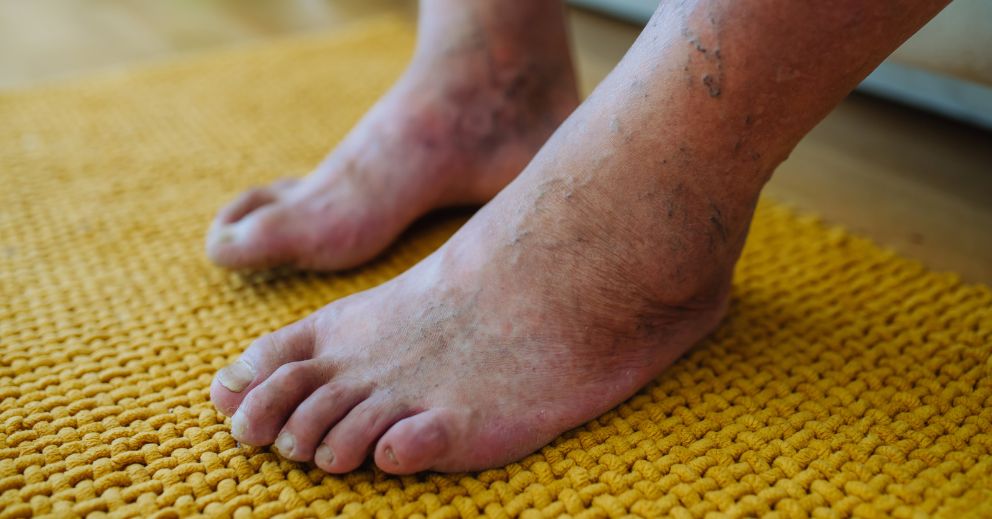
Some people have skin conditions, like psoriasis or eczema, that affect the feet. Others have diabetes or peripheral vascular disease, which changes how foot skin heals and what's safe to use. A podiatrist can build a care plan that works around those factors rather than ignoring them.
The Smartest Approach: Combining Both
The best foot skin care isn't a choice between home and clinic. It's using both in the right way, at the right time.
Use home care for prevention and maintenance
A daily moisturising routine, proper washing and drying, wearing well-fitted shoes, and changing socks regularly are all things you can and should do at home. These habits reduce the likelihood of problems developing in the first place.
See a podiatrist for treatment and assessment
If something has already developed, or if you're not sure what you're dealing with, a podiatry appointment is the right first step. Many issues that have been slowly worsening for months can be resolved in one or two visits, with a clear home routine to follow afterwards.
People with diabetes, poor circulation, or any condition affecting sensation in their feet should see a podiatrist regularly regardless of whether they have an obvious problem. The stakes are higher, and prevention is much easier than treatment at that point.
Following professional advice at home
After a clinic visit, your podiatrist will often recommend specific products or routines to maintain the results. Following that advice properly is what makes the treatment last, rather than the problem coming back a few weeks later.
Get Answers for Persistent Foot Skin Issues
If you're dealing with persistent foot skin issues or just want a clear picture of what's going on, the team at Foot HQ can help. Getting a professional assessment is the fastest way to understand what your feet actually need and how to keep them in good shape long term.
Reach out to our team to learn more about how we can help.
Key Takeaways
-
Daily moisturising with a urea-based cream and gentle exfoliation are effective for mild dryness and surface buildup.
-
Deep heel fissures, corns, calluses, and plantar warts need professional treatment to be resolved safely.
-
Over-the-counter corn pads and medicated treatments carry real risks for people with diabetes or reduced circulation.
-
Podiatrists can accurately diagnose skin conditions that look similar on the surface, preventing wasted or harmful treatment.
-
Professional debridement removes thickened skin precisely, something no home tool can replicate.
-
The most effective approach combines a solid home maintenance routine with professional care when problems arise.
-
If you have diabetes or a circulation condition, regular podiatry check-ups are essential regardless of visible symptoms.
FAQ
Is it safe to use a foot scrub or electric callus remover at home?
For most people with healthy feet, a gentle pumice stone or manual foot file is fine. Electric callus removers are generally safe for surface-level maintenance but can remove too much skin if used too aggressively. If you have diabetes, neuropathy, or any wound on your foot, avoid these tools entirely and see a podiatrist instead.
How often should someone with healthy feet see a podiatrist?
There's no universal rule, but once a year is a reasonable baseline for most adults, even without a specific complaint. It gives a professional the chance to spot anything developing before it becomes a real issue. People with diabetes, arthritis, or circulation problems are typically advised to go every three to six months.
Can dry, cracked heels be a sign of something more serious?
Sometimes, yes. Severely dry or cracked skin can be associated with thyroid conditions, nutritional deficiencies, or diabetes. If your heels are persistently dry despite consistent moisturising, or if the cracking keeps returning shortly after treatment, it's worth mentioning to a podiatrist or GP so any underlying cause can be ruled out.
What's the difference between a corn and a callus, and does it change the treatment?
A callus is a broader area of thickened skin that forms in response to repeated pressure or friction. A corn is smaller, more defined, and usually has a hard central core that can press on underlying tissue and cause pain. Treatment is similar in approach but different in precision. A podiatrist removes the corn's nucleus specifically, which is what gives immediate pain relief, whereas callus treatment focuses on reducing the overall skin thickness.
Are there any foot skin products worth spending more money on?
Urea-based creams in the 10 to 25 percent range are genuinely worth buying over cheap body lotions for foot skin. Beyond that, expensive "foot masks" and luxury scrubs offer minimal clinical benefit compared to a consistent basic routine. If you're unsure what to use after a podiatry appointment, ask your podiatrist for a product recommendation tailored to your skin type.


Share: