

If you're dealing with persistent heel pain, you've probably explored various treatment options and wondered which approach will give you the best results. Two of the most effective treatments for heel pain are shockwave therapy and cortisone injections, but choosing between them can feel overwhelming when you're just trying to get back on your feet.
Both treatments have proven track records for managing heel pain conditions like plantar fasciitis, but they work in completely different ways. Understanding how each treatment functions, their benefits, and potential drawbacks will help you make an informed decision about your heel pain management.
TLDR: Shockwave therapy promotes natural healing through acoustic waves, while cortisone injections provide quick anti-inflammatory relief. Your best choice depends on your pain severity, lifestyle needs, and long-term health goals.
Summarize heel pain treatment insights in ChatGPT
Understanding Heel Pain and Its Common Causes
Heel pain affects millions of Australians each year, with plantar fasciitis being the most common culprit. This condition occurs when the thick band of tissue connecting your heel bone to your toes becomes inflamed or damaged.
Primary Causes of Heel Pain
Several factors can contribute to heel pain development. Age plays a significant role, as the plantar fascia naturally loses elasticity over time. Being overweight puts additional stress on your feet, while certain activities like running or standing for long periods can trigger inflammation.
Poor foot mechanics, including flat feet or high arches, can also lead to uneven weight distribution and subsequent heel pain. Wearing unsupportive footwear compounds these issues, particularly for people who spend most of their day on hard surfaces.
When Professional Treatment Becomes Necessary
Many people try to manage heel pain with rest, ice, and over-the-counter medications initially. However, chronic heel pain that persists for several weeks or interferes with daily activities requires professional intervention.
Morning heel pain that's severe enough to make those first steps out of bed excruciating is a classic sign that conservative treatments aren't sufficient. Similarly, pain that worsens throughout the day or prevents you from participating in activities you enjoy indicates it's time to explore more advanced treatment options.
Shockwave Therapy: How It Works and What to Expect
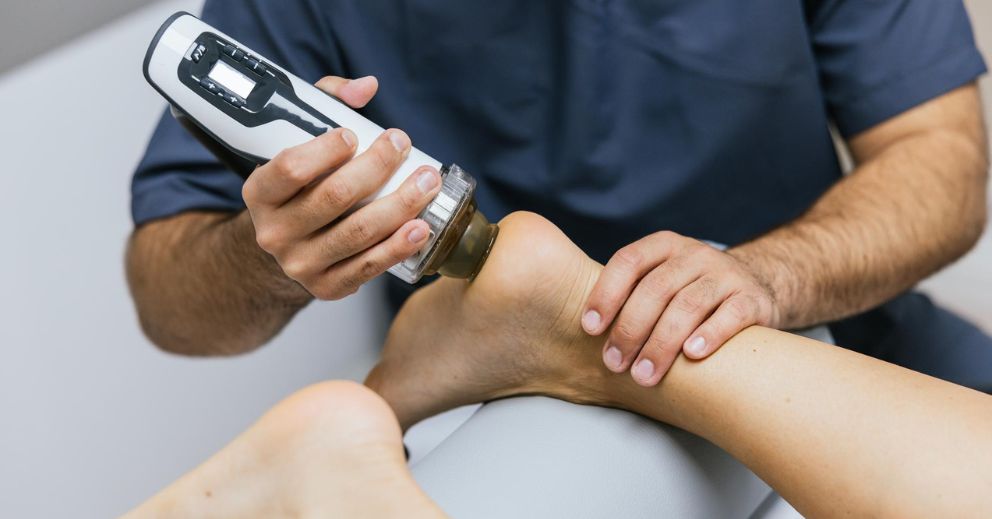
Shockwave therapy, also known as extracorporeal shock wave therapy (ESWT), uses acoustic waves to stimulate your body's natural healing processes. This non-invasive treatment has gained popularity among podiatrists and physiotherapists for treating various musculoskeletal conditions.
The Science Behind Shockwave Treatment
During shockwave therapy, high-energy acoustic waves are directed at the affected tissue. These waves create controlled microtrauma that triggers increased blood flow to the area. The enhanced circulation brings fresh nutrients and oxygen while removing waste products that may be hindering the healing process.
The treatment also stimulates the release of growth factors and promotes the formation of new blood vessels. This biological response helps repair damaged tissue and can break down calcium deposits that sometimes form in chronic plantar fasciitis cases.
Treatment Process and Timeline
A typical shockwave therapy session lasts between 10 to 15 minutes. Most patients require three to five sessions spaced one to two weeks apart for optimal results. The intensity can be adjusted based on your pain tolerance and the severity of your condition.
You might experience some discomfort during the treatment, but it's generally well-tolerated. Some patients report mild soreness for a day or two after each session, similar to the feeling after an intense workout.
Benefits of Shockwave Therapy
-
Non-invasive treatment with no surgical risks
-
Promotes natural healing without medications
-
No downtime required between sessions
-
Long-lasting results once healing occurs
-
Can be combined with other conservative treatments
-
Lower risk of complications compared to injections
Cortisone Injections: Fast Relief Through Anti-Inflammatory Action
Cortisone injections have been a mainstay of heel pain treatment for decades. These powerful anti-inflammatory medications can provide rapid relief from pain and swelling associated with plantar fasciitis and other heel pain conditions.
How Cortisone Injections Work
Cortisone is a synthetic version of cortisol, a hormone naturally produced by your adrenal glands. When injected directly into the inflamed tissue around your heel, it quickly reduces inflammation and provides significant pain relief.
The injection is typically administered using ultrasound guidance to ensure precise placement. This targeted approach maximises the medication's effectiveness while minimising the amount of cortisone needed.
What Happens During the Injection Process
The injection procedure itself takes just a few minutes. Your podiatrist will clean the injection site and may use a local anaesthetic to minimise discomfort. Using a thin needle, the cortisone is injected directly into the inflamed area around your plantar fascia.
You might experience some temporary soreness at the injection site, but many patients notice pain relief within 24 to 48 hours. The effects can last anywhere from several weeks to several months, depending on your individual response and the severity of your condition.
Advantages of Cortisone Treatment
-
Rapid pain relief, often within days
-
Highly effective for reducing inflammation
-
Quick procedure with immediate return to activities
-
Can provide months of relief from a single injection
-
Well-established treatment with predictable results
-
Covered by most health insurance plans
Comparing Effectiveness and Success Rates
Both shockwave therapy and cortisone injections have demonstrated effectiveness in treating heel pain, but their success rates and durability differ significantly. Understanding these differences is crucial for making an informed treatment decision.
Short-Term Pain Relief Comparison
Cortisone injections typically provide faster initial relief, with many patients experiencing significant improvement within 48 hours. The anti-inflammatory effect is immediate and powerful, making it an attractive option for people seeking quick results.
Shockwave therapy works more gradually, with improvements often becoming noticeable after two to three sessions. Some patients don't experience significant relief until several weeks after completing their treatment course.
Long-Term Outcomes and Durability
Research suggests that shockwave therapy may provide more durable results over time. Studies show success rates of 70-80% at one-year follow-up, with many patients maintaining improvement for years after treatment.
Cortisone injections, while highly effective initially, may have shorter-lasting benefits. The anti-inflammatory effects typically wear off after three to six months, and repeated injections may be necessary to maintain pain relief.
Factors Affecting Treatment Success
Several factors influence how well each treatment works for individual patients. The duration of your heel pain symptoms plays a role, with acute cases often responding better to cortisone injections and chronic conditions sometimes benefiting more from shockwave therapy.
Your overall health, activity level, and commitment to complementary treatments like stretching and proper footwear also impact success rates. Patients who combine either treatment with comprehensive foot care typically achieve better outcomes.
Potential Risks and Side Effects
While both treatments are generally safe when performed by qualified healthcare professionals, it's important to understand the potential risks and side effects associated with each approach.
Shockwave Therapy Risks
Shockwave therapy is considered very safe, with minimal risk of serious complications. The most common side effects include temporary soreness or bruising at the treatment site. Some patients experience mild swelling that resolves within a few days.
Rarely, patients may develop skin irritation or temporary numbness in the treated area. These effects are typically mild and resolve on their own without additional treatment.
Cortisone Injection Complications
While cortisone injections are generally safe, they carry slightly higher risks than shockwave therapy. The most serious concern is the potential for plantar fascia rupture, particularly with repeated injections or high doses.
Other possible complications include infection at the injection site, temporary increase in blood sugar levels (especially important for diabetics), and skin discolouration or thinning at the injection site. Some patients experience a temporary flare-up of pain immediately after the injection.
Long-Term Considerations
Repeated cortisone injections may weaken the plantar fascia over time, potentially leading to rupture or other complications. Most healthcare providers limit the number of injections to prevent these issues.
Shockwave therapy doesn't carry the same cumulative risks and can be repeated if necessary without the same concerns about tissue weakening or other long-term complications.
Cost Considerations and Insurance Coverage
The financial aspect of heel pain treatment is an important consideration for many patients. Understanding the costs involved and insurance coverage options can help you make a practical decision about your care.
Treatment Costs in Australia
Cortisone injections are typically less expensive upfront, especially when covered by Medicare or private health insurance. The procedure itself is relatively quick and doesn't require expensive equipment, making it more accessible from a cost perspective.
Shockwave therapy sessions generally cost more per treatment, and since multiple sessions are usually required, the total investment can be higher. However, the potentially longer-lasting results may make it more cost-effective in the long run.
Insurance and Medicare Coverage
Medicare and most private health insurance plans cover cortisone injections when deemed medically necessary by your healthcare provider. Coverage for shockwave therapy varies between insurers and may require prior approval or demonstration that conservative treatments have failed.
It's worth checking with your insurance provider about coverage limits, waiting periods, and any requirements for referrals or pre-authorization before starting treatment.
Making the Right Choice for Your Situation
Choosing between shockwave therapy and cortisone injections isn't always straightforward. The best treatment for you depends on various factors including your symptoms, lifestyle, medical history, and treatment goals.
When Shockwave Therapy Might Be Better
Shockwave therapy is often preferred for patients with chronic heel pain who want to avoid medications or injections. It's particularly suitable if you're looking for a treatment that promotes natural healing and potentially provides long-lasting results.
This treatment is also ideal if you've had limited success with cortisone injections in the past or if you're concerned about the potential risks associated with repeated steroid injections. Athletes and active individuals often prefer shockwave therapy because it doesn't carry the risk of tissue weakening.
When Cortisone Injections Make More Sense
Cortisone injections are often the better choice when you need rapid pain relief for an important event or if your heel pain is severely impacting your daily activities. They're particularly effective for acute inflammation and can provide the quick relief needed to get you back on your feet.
If cost is a primary concern or if your insurance doesn't cover shockwave therapy, cortisone injections may be the more practical option. They're also suitable for patients who prefer a single, quick procedure over multiple treatment sessions.
Combination Approaches
Some patients benefit from a combination approach, starting with a cortisone injection for immediate relief and following up with shockwave therapy for longer-term healing. This strategy can provide both quick symptom management and promote lasting recovery.
Your podiatrist can help determine if a combination approach makes sense for your specific situation and develop a treatment plan that addresses both your immediate needs and long-term foot health goals.
What to Expect During Recovery
Recovery experiences differ between shockwave therapy and cortisone injections, and understanding what to expect can help you prepare for the healing process and maximise your treatment outcomes.
Recovery After Shockwave Therapy
Following shockwave therapy, you can typically return to normal activities immediately. Some patients experience mild soreness for 24 to 48 hours after each session, but this is generally manageable with over-the-counter pain relievers if needed.
Your podiatrist may recommend avoiding high-impact activities for a few days after each session to allow the healing process to begin. Gentle stretching and gradual return to your usual activities is typically encouraged.
Post-Injection Care and Recovery
After a cortisone injection, you'll usually be advised to rest for the remainder of the day and avoid putting excessive stress on your foot. Some patients experience temporary soreness at the injection site, which typically resolves within a day or two.
You might notice improvement in your heel pain within 24 to 48 hours, though it can take up to a week to experience the full benefits. Your healthcare provider will likely recommend avoiding strenuous activities for a few days to prevent complications.
Supporting Your Recovery
Regardless of which treatment you choose, supporting your recovery with complementary strategies can improve your outcomes. Proper footwear with adequate arch support and cushioning is essential for both treatments.
Regular stretching exercises, particularly calf stretches and plantar fascia stretches, can help maintain flexibility and prevent future problems. Ice application after activities and maintaining a healthy weight also support the healing process.
Get Expert Help for Your Heel Pain
Choosing between shockwave therapy and cortisone injections for your heel pain doesn't have to be a decision you make alone. At Foot HQ, our experienced podiatrists can assess your specific condition, discuss your treatment preferences, and recommend the approach that's most likely to get you back to pain-free living.
We understand that heel pain affects everyone differently, and we're committed to finding the treatment solution that works best for your lifestyle and goals. Whether you're dealing with acute heel pain that needs immediate relief or chronic symptoms that require a long-term healing approach, we'll guide you through your options and support you throughout your recovery.
Don't let heel pain keep you from enjoying the activities you love. Contact Foot HQ today to schedule a comprehensive assessment and take the first step toward getting back on your feet comfortably. Our team is here to help you make an informed decision about your heel pain treatment and get you back to living life without limitations.
Key Takeaways
-
Shockwave therapy promotes natural healing and may provide longer-lasting results, while cortisone injections offer rapid anti-inflammatory relief
-
Cortisone injections work faster but may require repeat treatments, whereas shockwave therapy takes longer to show results but potentially offers more durable outcomes
-
Both treatments have good safety profiles, though cortisone carries slightly higher risks with repeated use
-
Your choice should consider factors like symptom severity, lifestyle needs, cost considerations, and long-term health goals
-
Combining treatments or supporting either option with proper foot care can optimise your recovery outcomes


Share: