

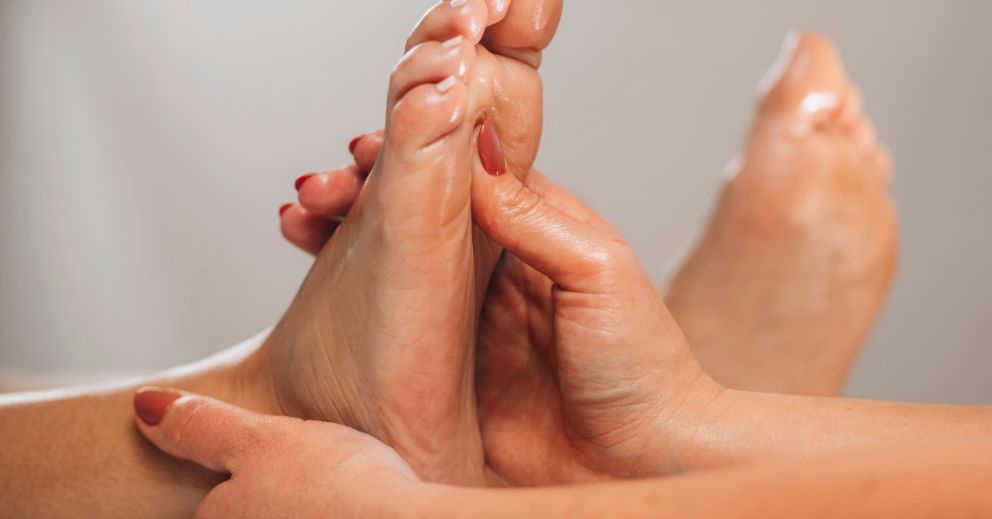
Here's a simple way to think about foot care: if you can check your feet properly, spot changes early, and know when to hand things over to a professional, you're already ahead of most people.
This guide walks you through exactly how to do that, step by step, so you're not just hoping your feet are fine but actually checking.
TLDR: Healthy feet come down to a few habits done consistently: proper daily checks, good hygiene, correct nail trimming, and knowing when a problem needs a podiatrist rather than a home remedy. Skin and nail issues that seem small, like a thickened toenail or a patch of dry skin, can turn into bigger problems if left unchecked, especially for people with diabetes or circulation issues.
How to check your own feet at home
A quick weekly check takes less than five minutes and can catch problems long before they become painful. Most people never look at the bottom of their feet unless something already hurts, which is exactly why issues get missed.
What to look for
-
Cracks or dryness around the heels
-
Redness, swelling, or warmth in any area
-
Thickened, discoloured, or crumbly toenails
-
Corns or calluses forming on pressure points
-
Any cuts or sores that aren't healing
A simple checking routine
-
Sit somewhere well-lit and use a mirror if you can't see the soles easily
-
Check between each toe, not just the tops and bottoms
-
Run your hand over the skin to feel for rough patches or swelling
-
Note anything unusual and watch it over the next week
Daily habits that keep skin and nails in good shape
Foot skin and nail care isn't complicated, but it does need to be consistent. A lot of common problems, like fungal nails, cracked heels, and ingrown toenails, come down to small daily habits rather than one big mistake.
Washing and drying properly
Wash your feet daily with warm water and dry them thoroughly, especially between the toes. Damp skin between the toes is one of the main reasons fungal infections take hold, so this one step matters more than people realise.
Moisturising without overdoing it
A fragrance-free moisturiser on the soles and heels helps prevent cracking, but keep it away from between the toes where extra moisture can encourage fungal growth. Nightly application after a shower is usually enough for most people.
Trimming nails the right way
Cut toenails straight across rather than rounding the corners, and avoid cutting them too short. This single habit prevents a huge number of ingrown toenail cases that otherwise end up needing professional treatment.
Common foot and nail problems worth knowing about
Some conditions are minor annoyances, and others are early warning signs of something bigger. Knowing the difference helps you decide whether to treat something at home or book in with a podiatrist.
Fungal nail infections
These show up as yellow, thickened, or crumbly nails and tend to spread slowly if untreated. Over the counter treatments can help mild cases, but persistent or spreading infections usually need a podiatry assessment for proper treatment.
Ingrown toenails
Pain, redness, and swelling at the edge of a nail are classic signs. Left untreated, these can become infected, which is when a same-day appointment becomes worth booking rather than waiting it out.
Corns, calluses, and cracked heels
These usually point to pressure or friction from footwear, gait issues, or dry skin. They're common, but recurring or painful cases often mean there's an underlying cause worth investigating properly.
Why regular podiatry visits matter, not just emergency ones
A lot of people only think about seeing a podiatrist when something hurts. Regular check-ups, though, catch problems while they're still small and easy to manage, rather than waiting until they've become painful or chronic.
Who benefits most from routine visits
-
People with diabetes, where minor skin issues can escalate quickly
-
Older adults, who often have reduced circulation or sensation in their feet
-
Anyone who's active or on their feet all day for work
-
People with a history of ingrown nails, fungal infections, or corns
What a podiatry check actually involves
A typical visit includes checking your skin and nails, assessing circulation and sensation, and treating any current issues like thickened nails or calluses. It's also a chance to ask questions about footwear, foot pain, or anything you've noticed but haven't mentioned to anyone.
At Foot HQ, this kind of check-up is treated as preventive care rather than a last resort, which is really how foot health should be approached generally.
When to stop DIY and book a professional visit
Home care handles a lot of everyday foot maintenance, but some signs mean it's time to get it looked at properly rather than waiting.
Signs you shouldn't ignore
-
A nail infection that isn't improving after a few weeks of home treatment
-
Increasing pain, swelling, or redness around a toenail
-
Any wound on the foot that isn't healing within a week or two
-
Numbness, tingling, or reduced sensation in the feet
-
Diabetes combined with any new skin or nail change
If any of these sound familiar, it's worth booking in rather than waiting to see if it resolves on its own.
Stay on Top of Your Foot and Nail Health
If you've noticed any of the changes covered here, or it's simply been a while since your feet had a proper check, Foot HQ can help you get on top of it. A straightforward assessment now is a lot easier than dealing with a bigger problem later.
Book a visit and let's sort out your foot and nail care properly.
Key Takeaways
-
Check your feet weekly, including the soles and between the toes
-
Wash and dry feet daily, moisturise the soles, and trim nails straight across
-
Fungal infections, ingrown nails, and cracked heels are common but manageable with early attention
-
Regular podiatry visits catch problems early, especially for people with diabetes or circulation issues
-
Persistent pain, non-healing wounds, or numbness are signs to book a professional check
FAQ
How often should I actually see a podiatrist if I don't have any foot problems?
Once or twice a year is a reasonable baseline for most healthy adults. If you have diabetes, circulation issues, or a history of nail or skin problems, more frequent visits, such as every three to four months, are often recommended.
Can I treat a fungal toenail infection myself, or do I need professional treatment?
Mild, early-stage fungal infections sometimes respond to over the counter antifungal treatments. Once the nail is significantly thickened, discoloured, or the infection has spread to other nails, professional treatment tends to work faster and more reliably.
What's the difference between a corn and a callus, and does it matter for treatment?
A callus is a broader area of thickened skin, usually from general friction, while a corn is smaller, more defined, and often more painful due to a concentrated pressure point. Both can usually be treated similarly, but recurring corns sometimes point to a footwear or gait issue worth checking.
Is it normal for feet to smell despite good hygiene?
Some sweating and odour is normal, but persistent or strong odour despite regular washing and drying can indicate a fungal or bacterial issue. Breathable footwear, moisture-wicking socks, and thorough drying between toes usually help, but ongoing issues are worth mentioning at a check-up.
How long does it take to notice improvement after starting a proper foot care routine?
Skin changes like dryness or cracking often improve within a couple of weeks of consistent moisturising and washing. Nail issues, particularly fungal infections, take much longer, often several months, since nails grow slowly and treatment needs time to work through.


Share: