

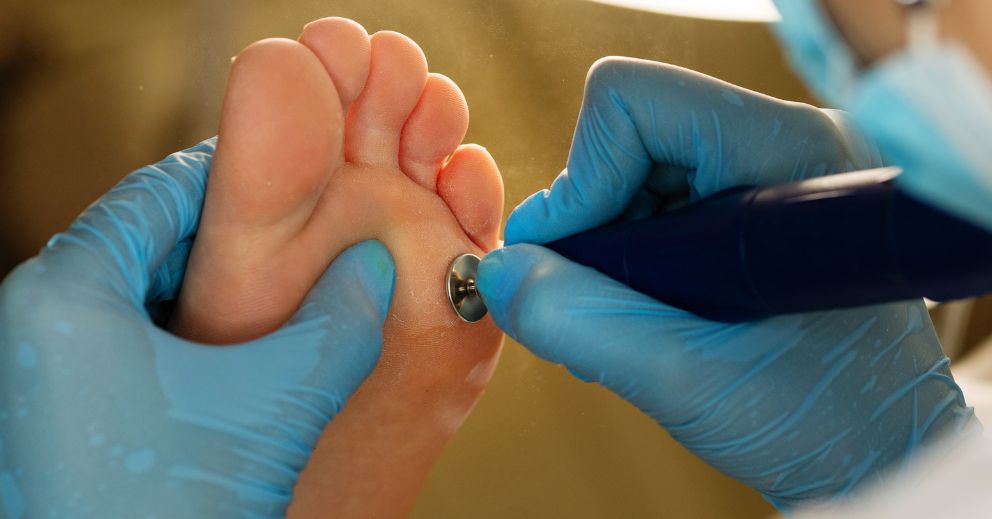
Here's a myth worth busting straight away: a foot assessment is not just something you get after you've rolled an ankle or torn something running. A lot of people assume podiatry is a "fix it once it hurts" service.
In reality, the most useful assessments happen before pain shows up, when your gait, your footwear, and your training load are all still workable pieces of a puzzle.
TLDR: A proper foot assessment looks at how you stand, walk, and move, not just where it hurts. From there, a custom plan can address movement patterns, footwear, and strength gaps before they turn into injuries. It's a proactive approach, not just a reactive one.
Why a Foot Assessment Is About More Than Pain
Plenty of people wait until something is sore before booking in. That's understandable, but it means the assessment is often reacting to damage that's already done. A foot assessment done early can pick up on patterns long before they become painful.
The Misconception That Assessments Are Only for Injuries
Foot assessments are used just as often for performance, comfort, and prevention as they are for treating an existing problem. Runners get them to check form. Parents get them for growing kids' feet. Older adults get them to stay steady on their feet.
Thinking of a foot assessment as purely reactive means a lot of small, fixable issues get missed until they're bigger problems.
What Gets Missed Without One
-
Uneven weight distribution that quietly overloads one side
-
Reduced ankle mobility that changes how you walk without you noticing
-
Muscle imbalances that build up slowly over months
-
Worn or unsuitable footwear that's working against your natural gait
What Actually Happens During a Foot and Movement Assessment
An assessment isn't just a quick look at your feet while you're sitting on a table. It usually involves watching you move, not just examining you while still.
Static and Dynamic Checks
Static checks look at your foot structure while you're standing still, things like arch height, alignment, and joint flexibility. Dynamic checks look at what happens when you actually walk or run, which is where a lot of the useful information sits.
Some issues only show up in motion. A foot that looks fine standing still can behave very differently under load.
Gait Analysis in Plain Terms
Gait analysis just means watching how your foot lands, rolls, and pushes off with each step. It picks up things like overpronation, uneven stride length, or compensations you've built up without realising.
This is often where the real answers are found, especially for people dealing with recurring pain that hasn't been explained by anything else.
Footwear and Load Review
What you're wearing and how much load you're putting through your feet each week both matter. A sudden jump in running distance or a pair of worn-out shoes can be enough to tip things from fine into painful.
-
Shoe wear patterns can reveal how your foot strikes the ground
-
Training load spikes are a common, avoidable injury trigger
-
Work footwear matters just as much as sport footwear for people on their feet all day
Building a Custom Plan From the Assessment
The assessment is really just information gathering. The plan is where it gets turned into something useful for you specifically. There's no single template that suits every foot.
Common Elements of a Movement Plan
-
Targeted strengthening for weak or underused muscles
-
Stretching or mobility work for stiff joints
-
Footwear recommendations suited to your activity and foot type
-
Orthotics or padding where structural support is needed
-
Load management advice for people ramping up training
Why One-Size-Fits-All Advice Falls Short
Generic advice like "just stretch more" or "get better shoes" isn't wrong, but it's incomplete. Two people with the same complaint of heel pain might need completely different plans depending on their gait, their job, and their history.
A custom plan takes into account what you actually do day to day, whether that's standing on concrete floors, running trails on weekends, or spending most of your time seated.
Preventing Injury Before It Starts
Prevention isn't as exciting to talk about as recovery, but it's a lot less disruptive to your life. Small adjustments made early tend to save people from bigger interruptions later.
Signs You're Building Toward an Injury
-
Tightness that shows up at the same point in every run or shift
-
Mild aching that eases with rest but always comes back
-
Uneven shoe wear on one side more than the other
-
A feeling of "favouring" one foot without any obvious reason
Who Benefits Most From a Preventive Approach
Active people ramping up new training, people returning to exercise after a break, and anyone standing for long hours at work all tend to benefit from getting ahead of problems rather than waiting for them.
It's also worth it for growing kids and older adults, where changes in movement can happen gradually and go unnoticed for a while.
Get Your Feet Checked Before Pain Starts
If you've been putting off getting your feet checked because nothing hurts yet, that's actually a good time to book in. Foot HQ can run a full movement assessment and build a plan around how you actually use your feet day to day, whether that's training, working on your feet, or just staying steady as you get older.
Key Takeaways
-
Foot assessments aren't only for treating pain, they're useful as a preventive tool too
-
Static and dynamic checks together give a fuller picture than either alone
-
Gait analysis often reveals issues that standing exams miss
-
A custom plan should reflect your lifestyle, activity level, and footwear, not a generic template
-
Catching small movement issues early tends to be far easier than fixing an established injury
FAQ
How do I know if my movement patterns need checking, even without pain?
If you notice uneven shoe wear, one leg feeling tighter than the other, or you're increasing your activity level, it's worth getting checked even without pain. Assessments aren't only for people already hurting.
How long does a full foot and gait assessment usually take?
Most assessments run somewhere between 30 and 60 minutes, depending on how much walking or running analysis is involved. More complex cases with multiple complaints may take a bit longer to work through properly.
Will I need custom orthotics after every assessment?
Not necessarily. Orthotics are one option among several, and plenty of plans rely more on strengthening, footwear changes, or load management instead.
How soon should I expect to notice changes after starting a movement plan?
Some people notice small improvements in comfort within a couple of weeks, while structural changes like strength or mobility gains usually take a few months of consistent work. It depends on what the plan is targeting.
Do children and older adults need a different kind of assessment?
The core process is similar, but what's being looked for changes. In kids, it's often about growth and development, while in older adults, balance and stability tend to be a bigger focus.


Share: