

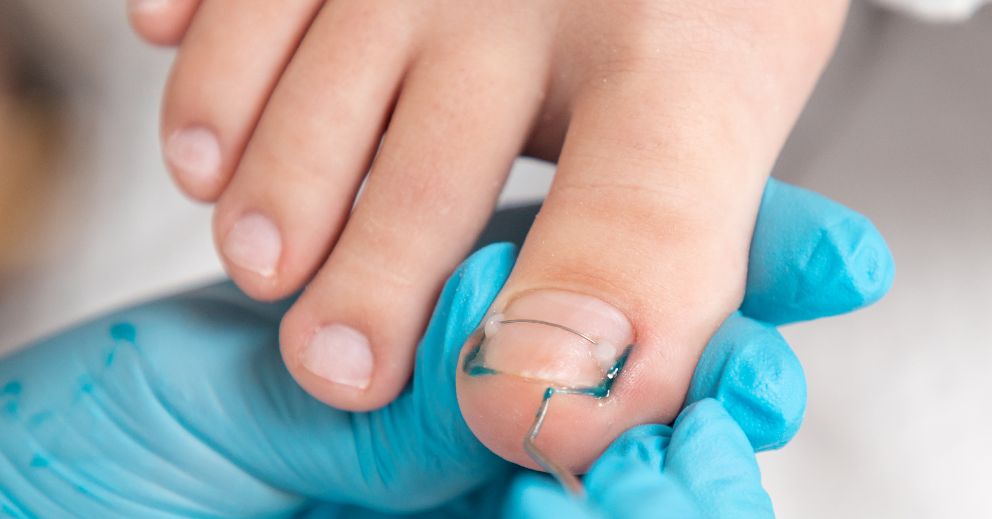
Ingrown toenails are one of those small problems that can turn into a big issue if ignored. They often begin with mild discomfort, but without the right care, they can quickly lead to pain, swelling and infection.
Knowing the early signs helps you act sooner, avoid complications and get back on your feet comfortably.
Summary: An ingrown toenail often starts with tenderness, redness and slight swelling around the nail edge. These signs may seem minor, but they’re your body’s early warning system. Paying attention early, adjusting your foot care routine and seeing a podiatrist when symptoms persist can stop a simple irritation from becoming a painful infection.
What Is an Ingrown Toenail?
An ingrown toenail happens when the edge of the nail grows into the surrounding skin instead of growing straight. It usually affects the big toe, but it can occur on any toe. While tight shoes and poor nail trimming habits are common causes, sometimes it develops from injury, foot shape or even genetics.
Early Signs of an Ingrown Toenail
Spotting the early signs can help you manage the issue before it gets worse.
Redness Around the Nail
A noticeable change in colour around the side of the nail is often the first clue. Redness suggests irritation, and catching it now helps stop further inflammation.
Tenderness or Sensitivity
If you feel discomfort when touching the toe or wearing shoes, your nail may already be pressing into the skin. Many people mistake this for “just a little soreness”, but it’s a sign to keep an eye on.
Mild Swelling
Swelling is your body’s natural response to irritation. Even slight puffiness around the nail edge can indicate an ingrown toenail developing.
Warmth in the Area
If the side of your toe feels warmer than usual, it may signal early inflammation. This is often one of the first signs before infection begins.
A Feeling of Pressure
Some people describe it as a “tight” feeling on the side of the toe. This happens when the nail starts pushing into soft skin.
When Early Signs Turn Into Bigger Problems
If the early signs are ignored, infection can develop. You might notice increased pain, discharge, bleeding or difficulty walking in shoes. At this stage, self-care becomes less effective and professional treatment is usually needed to clear the infection and correct the nail.
Simple Ways to Manage Early Symptoms at Home
Mild cases can sometimes be managed with basic care.
Keep the Toe Clean
Wash and dry the area every day to reduce irritation and prevent bacteria from settling.
Avoid Tight Shoes
Choose open or roomy footwear to remove pressure from the toe while it heals.
Soak in Warm Water
A warm salt bath can help soften the skin and ease discomfort.
Trim Nails Straight
Cutting nails in a curved shape often encourages them to grow into the skin. A straight, neat cut supports healthy nail growth.
If symptoms don’t improve or keep coming back, professional podiatry care is the safest next step.
When to See a Podiatrist
It’s time to book an appointment if you notice:
-
Ongoing pain or swelling
-
Signs of infection
-
Difficulty walking comfortably
-
Repeated ingrown toenails
-
Concerns related to diabetes or circulation
A podiatrist can assess the nail, treat the affected area and prevent the problem from returning.
Why Early Treatment Matters
Early treatment doesn’t just reduce pain. It helps prevent infection, avoids unnecessary procedures and keeps you active without discomfort. Acting early also means faster recovery and fewer disruptions to your daily routine.
Foot HQ Miranda Are the Experts in Ingrown Toenail Care
If you’re noticing the early signs of an ingrown toenail, professional support can make all the difference. Foot HQ Miranda are trusted specialists in foot, ankle and nail care. From gentle early intervention to advanced treatment when needed, their podiatrists help you feel comfortable again quickly and safely.
Book your appointment today and let the Foot HQ team take care of your feet the way they deserve.
Key Takeaways
-
Early signs include redness, tenderness, swelling and warmth.
-
Simple changes like better footwear and warm soaks can help early on.
-
Professional care prevents infection and long-term nail problems.
-
Foot HQ Miranda offer expert, safe and effective treatment for ingrown toenails.
FAQ
Can an ingrown toenail heal on its own?
Sometimes mild cases settle with gentle care, but many require podiatry treatment to stop the issue from returning.
How do I know if it’s infected?
Look out for increasing pain, pus, redness spreading around the toe or difficulty walking. Infection needs prompt treatment.
Should I cut out the ingrown part myself?
No. Digging into the nail often makes the problem worse and increases the risk of infection. It’s safest to see a podiatrist.
Is treatment painful?
Most podiatry treatments are gentle and designed to relieve pressure and discomfort immediately.


Share: