

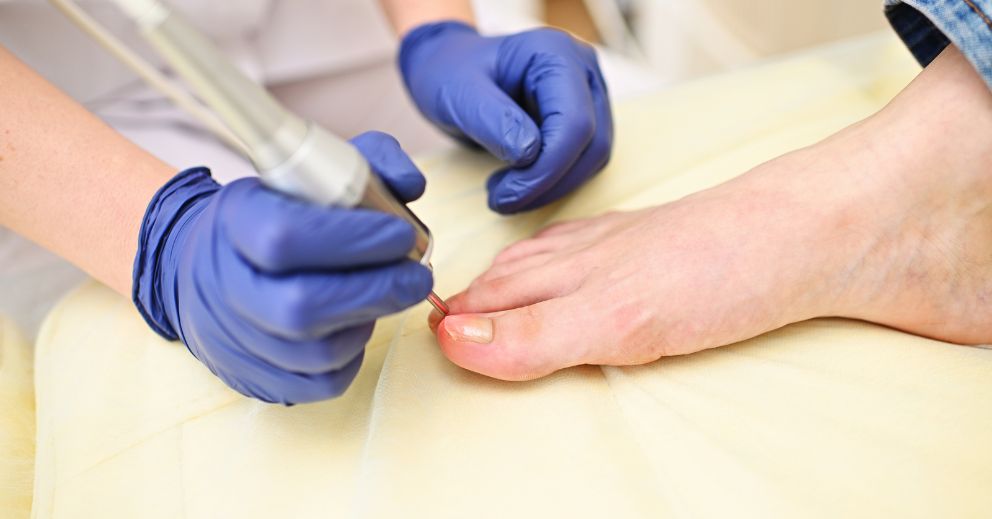
Fungal toenails can be stubborn, slow to treat and sometimes frustrating. Many people try topical creams or home remedies with little success, which is why laser therapy has become a popular alternative. But is it actually worth it?
Understanding how laser treatment works, what results to expect and whether it’s right for you can help you make a confident decision.
Summary: Laser therapy for fungal nails works by targeting the fungus beneath the nail using controlled heat. Unlike creams that sit on top of the nail, laser can reach deeper layers where the fungus lives. Many patients report improved nail appearance, faster progress and better long-term results when compared to traditional treatments. While no treatment offers instant results, laser therapy can be a worthwhile option, especially for persistent or moderate to severe fungal infections.
What Is Laser Therapy for Fungal Nails?
Laser therapy uses focused light energy to heat and break down fungal cells within the nail and surrounding tissue. The goal is to stop the fungal growth and allow a healthy nail to grow in its place.
Most treatments take only a few minutes per toe and require no anaesthetic, medication or downtime.
Common Signs You May Need Laser Treatment
If you’ve been struggling with fungal nails for a while, laser therapy might be worth considering. Typical signs include:
-
Discoloured nails
-
Thickened or brittle nails
-
A nail lifting from the nail bed
-
A recurring infection that doesn’t respond to creams or sprays
-
Embarrassment or pain when wearing open shoes
If any of these sound familiar, you’re not alone. Fungal nails are common and treatable with the right approach.
How Does Laser Treatment Work for Fungal Nails?
Laser therapy targets the fungus without damaging healthy surrounding tissue. During treatment:
-
The podiatrist directs a laser light onto the nail surface
-
Heat penetrates the nail and kills fungus at the source
-
The nail remains intact while new, healthy nail begins to grow
Because the fungal infection sits underneath the nail, this deeper approach is often more effective than topical medication alone.
Benefits of Laser Therapy for Toenail Fungus
Laser therapy offers several advantages, especially if you’ve struggled with ongoing fungal infections.
No Medication Needed
One of the biggest advantages of laser treatment is that you don’t need to rely on oral antifungal medication. Tablets can sometimes be effective, but they may come with unwanted side effects such as nausea, headaches or digestive upset, and some patients require blood tests to monitor liver function throughout treatment. For people who prefer a medication-free approach, have existing medical conditions or simply want a treatment with fewer risks and requirements, laser therapy offers a safe and convenient alternative.
Safe and Targeted
Laser therapy is designed to pinpoint the fungus without harming the healthy tissue around it. The focused light penetrates through the nail to target fungal cells at the source, rather than affecting the surrounding skin or nail structure. This precise approach means there’s no need for chemicals, cutting or drilling of the nail. Because the treatment is targeted, the rest of your foot remains unaffected, making it a safe choice for many people, including those who are unable to take oral medications.
Minimal Discomfort
Most patients find laser treatment comfortable and easy to tolerate. You may feel warmth or a mild prickling sensation as the laser works through the nail, but this usually lasts only a short time and does not require any anaesthetic. The treatment is quick, usually only a few minutes per nail, and you can walk out of the appointment and return to normal activities straight away. For anyone worried about pain, this makes laser a reassuring and manageable option.
Encourages Clearer Nail Growth
Laser therapy doesn’t instantly change the appearance of the nail, but it helps create the right conditions for healthy regrowth. By destroying the fungal cells underneath the nail, it allows a new, clearer nail to grow in gradually without ongoing infection. Because toenails grow slowly, results happen over time, but many people notice a steady improvement in colour, thickness and shape as the nail grows out. When paired with good hygiene and prevention steps, laser therapy can support long-lasting results and reduce the chance of the infection returning.
How Long Does It Take to See Results?
Improvement isn’t instant because nails grow slowly. On average:
-
Fingernails take 4 to 6 months to fully regrow
-
Toenails take 9 to 12 months to replace themselves
Most people see gradual improvements after a few treatments as the healthy nail rises from the base.
Is Laser Treatment Worth It?
Laser therapy is often considered worthwhile if:
-
Your infection keeps returning
-
Over-the-counter treatments haven’t worked
-
You prefer a medication-free option
-
You want a treatment with minimal discomfort and no downtime
-
The appearance of your nails affects your confidence
While results vary, many patients experience clearer, healthier nails and long-term infection control with laser therapy.
Potential Limitations to Consider
Like any treatment, it’s important to have realistic expectations.
-
Multiple sessions may be needed
-
Results depend on nail growth rate and hygiene habits
-
Aftercare is crucial to prevent reinfection
A professional assessment helps ensure the treatment plan suits your specific infection severity and nail condition.
Foot HQ Miranda: Your Local Experts in Laser Nail Therapy
If you’re considering laser treatment and want advice tailored to your situation, the team at Foot HQ Miranda can help. Their podiatrists use professional laser technology designed for fungal nail treatment and provide guidance to prevent the infection from returning.
Book an appointment today and take the first step towards clearer, healthier nails with a team that specialises in foot, ankle and nail care.
Key Takeaways
-
Laser therapy treats fungal nails by targeting fungus beneath the nail
-
The treatment is medication-free, safe and involves minimal discomfort
-
Results take time but can lead to clearer, stronger nails
-
It’s especially helpful for stubborn or recurring fungal infections
-
Professional guidance improves long-term results and helps prevent reinfection
FAQ
Does laser therapy hurt?
Most people only feel warmth or a mild tingling sensation during treatment. It’s generally well tolerated.
Will the fungus come back after laser treatment?
It can, but proper hygiene, follow-up care and professional advice help prevent recurrence.
How many treatments will I need?
This depends on the severity of the infection. Most patients require multiple sessions spaced a few weeks apart.
Can I return to normal activity afterwards?
Yes. There’s no downtime and you can walk out of the clinic normally after treatment.


Share: