

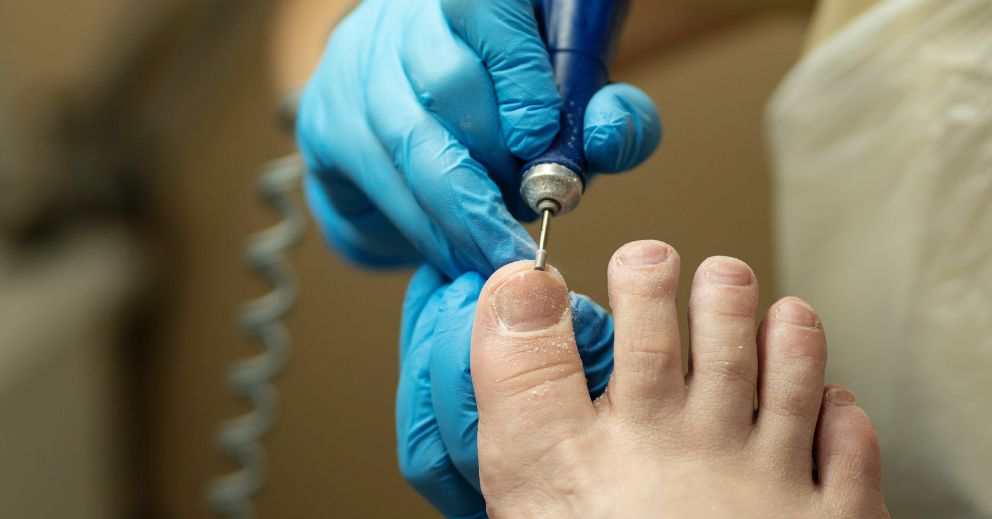
Most people don’t think much about their feet until they start causing problems. Thickened toenails that won’t trim properly, heels that split and sting, or rough skin that keeps coming back can feel like “just one of those things”. But your feet are usually trying to tell you something, and ignoring the signs often means the issue gets worse, not better.
The good news is that thickened toenails and cracked heels are often very treatable. The key is figuring out what’s driving them, then tackling it with the right care instead of quick fixes that only work for a week.
Summary: Thickened toenails and cracked heels are common, but they’re not always harmless. They can be linked to fungal infection, repeated pressure from footwear, poor nail growth after trauma, dry skin, callus build-up, or underlying health factors like circulation issues. This guide explains what these foot changes can mean, what you can do at home, and when it’s time to see a podiatrist. If your nails or heels are painful, worsening, or affecting how you walk, Foot HQ can help you get fast relief and long-term results so you can live and walk pain-free.
Thickened toenails: what’s behind the change?
A toenail usually thickens for one of a few reasons. Sometimes it’s cosmetic, but often it’s your nail reacting to stress, infection, or damage.
1) Fungal nail infection
This is one of the most common reasons a nail becomes thick, discoloured, and hard to cut. Fungal nails may look:
-
Yellow, white, or brown
-
Dull rather than clear and smooth
-
Crumbly at the edge
-
Lifting off the nail bed
Fungal infection can start slowly and spread to other nails over time.
2) Repeated trauma or pressure
If your toes cop a lot of impact, the nail can thicken as a protective response. This is common in:
-
Runners and hikers (toes hitting the front of shoes)
-
People in tight work boots or narrow shoes
-
Sport with lots of stopping and starting
-
Anyone who’s had a toe injury that never fully settled
3) Age-related changes
As we get older, nails can naturally become thicker and more ridged. It’s common, but it can still become a problem if you can’t trim them safely or they start pressing into the skin.
4) Skin conditions or health factors
Some conditions can affect nail growth and thickness. You don’t need to self-diagnose, but if multiple nails change suddenly or the nail looks unusual, it’s worth getting checked.
What thickened toenails are trying to tell you
A thick nail usually means one of two things:
-
Your nail is under ongoing stress (pressure, footwear, trauma)
-
Something is living under or within the nail (often fungal infection)
Either way, the nail won’t “reset” on its own quickly. Toenails grow slowly, so the earlier you address the cause, the sooner you’ll see a proper improvement.
Cracked heels: why they happen in the first place
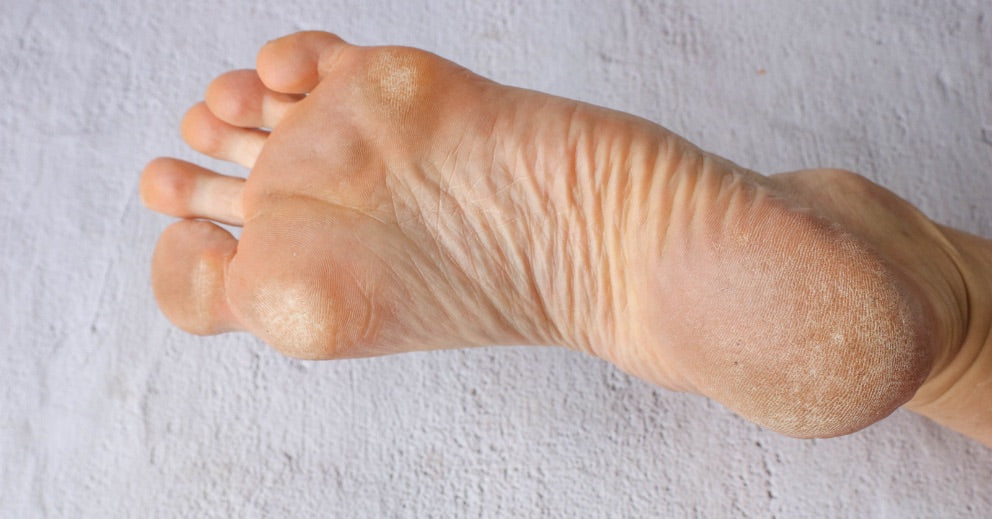
Cracked heels are usually the result of dry skin plus pressure. The skin becomes thick and hard (callus), then splits when it can’t flex properly.
Common causes include:
-
Dry skin (especially in cooler months or with air con and heaters)
-
Walking barefoot or in open-back shoes like thongs
-
Standing for long hours
-
Excess weight or high pressure through the heel
-
Foot posture that loads the heel unevenly
-
Long hot showers (they strip natural oils from skin)
-
Some health conditions that affect skin quality
Cracks can be mild and annoying, or deep and painful. Once a crack gets deep enough, it can bleed or become infected.
What cracked heels are trying to tell you
Cracked heels are often a sign of:
-
Too much pressure on the heel, often from long hours standing or unsupportive footwear
-
Callus build-up that’s not being managed properly
-
Skin that needs better barrier care, not just a quick scrub
If you’re constantly sanding or using a foot file aggressively, you might be thinning the surface without addressing the underlying thick, dry build-up. That can make skin more sensitive and still leave the cracks coming back.
When thick nails and cracked heels show up together
When you’ve got both problems, there’s often a bigger pattern going on, like:
-
You’re in footwear that’s rubbing and drying the skin out
-
You’re on your feet all day and your feet are under constant load
-
You’ve got sweaty feet inside closed shoes, plus dry skin on the heels (yep, both can happen)
-
You’ve been treating symptoms at home, but not the underlying cause
This is where podiatry can save you a lot of trial-and-error.
What you can do at home (that actually helps)
Home care can work well for mild cases, as long as you do it consistently and safely.
For thickened toenails
-
Don’t dig down the sides or cut too short to “get it over with”
-
Trim after a shower if nails are very hard, then dry well
-
Use a nail file to smooth thick edges rather than cutting deeper
-
If fungus is suspected, avoid sharing nail tools and keep nails dry
If you can’t trim them comfortably, don’t force it. It’s easy to nick the skin and start an infection.
For cracked heels
-
Moisturise daily, ideally at night
-
Look for heel balms with urea (a common ingredient that softens thick, dry skin)
-
Wear socks after moisturising to help it soak in
-
Avoid aggressive scraping, especially if you’re prone to deep cracks
-
Choose supportive shoes rather than barefoot or open-back footwear all weekend
A simple routine done regularly beats a “big scrub” once a fortnight.
When to see a podiatrist
If any of this sounds familiar, it’s worth booking in:
Thickened toenails
-
Pain in shoes because the nail is pressing
-
Nail is lifting, crumbling, or changing colour
-
You can’t trim it safely
-
You suspect fungal infection
-
Multiple nails are affected or it’s spreading
Cracked heels
-
Cracks are deep, painful, or bleeding
-
The skin is thick, hard, and keeps rebuilding quickly
-
There’s redness, swelling, or any sign of infection
-
You have diabetes, reduced sensation, or circulation issues
If you’re higher risk (diabetes, poor circulation, immune issues), don’t wait. Small foot problems can escalate quickly.
How Foot HQ can help you get on top of it fast
At Foot HQ, the focus is on exceptional results, genuine care, and helping you live and walk pain-free. If you’re dealing with thickened toenails, cracked heels, or recurring foot skin and nail care issues, a podiatrist can:
-
Work out what’s actually causing the problem (trauma, fungus, pressure, footwear)
-
Reduce nail thickness and callus safely and comfortably
-
Treat painful cracks and help prevent them returning
-
Give you practical footwear and at-home care advice that fits your routine
-
Help manage infections and stop issues spreading or worsening
If thick nails or cracked heels are making walking uncomfortable, or you’re over trying to manage it on your own, we can help. Book your appointment today to get proper treatment and a clear plan so your feet feel better, fast.
Key takeaways
-
Thickened toenails often point to fungal infection, repeated trauma, or long-term pressure from footwear.
-
Cracked heels usually come from dryness plus callus build-up and high pressure.
-
If nails or heels are painful, worsening, bleeding, or hard to manage at home, it’s time for professional help.
-
Daily moisturising and supportive footwear are the best basics for heel health.
-
Proper podiatry care can bring fast comfort and better long-term results than DIY cycles.
FAQ
Are thickened toenails always fungus?
Not always. Trauma, pressure from footwear, age-related changes, and some skin conditions can all thicken a nail. If you’re not sure, a podiatrist can assess it properly so you’re not treating the wrong thing.
Why do my heels crack even though I moisturise?
Often it’s because there’s thick callus underneath that needs safe reduction, plus ongoing pressure from barefoot walking or unsupportive shoes. Moisturiser helps, but pressure and build-up still need managing.
Is it safe to shave or cut heel skin at home?
It’s risky, especially if you cut too deep or if you have diabetes or reduced sensation. Gentle filing is safer, but persistent cracking is better treated by a podiatrist.
When should I worry about heel cracks?
If they’re deep, painful, bleeding, or showing signs of infection like redness and warmth, don’t ignore them. Get them checked.


Share: