

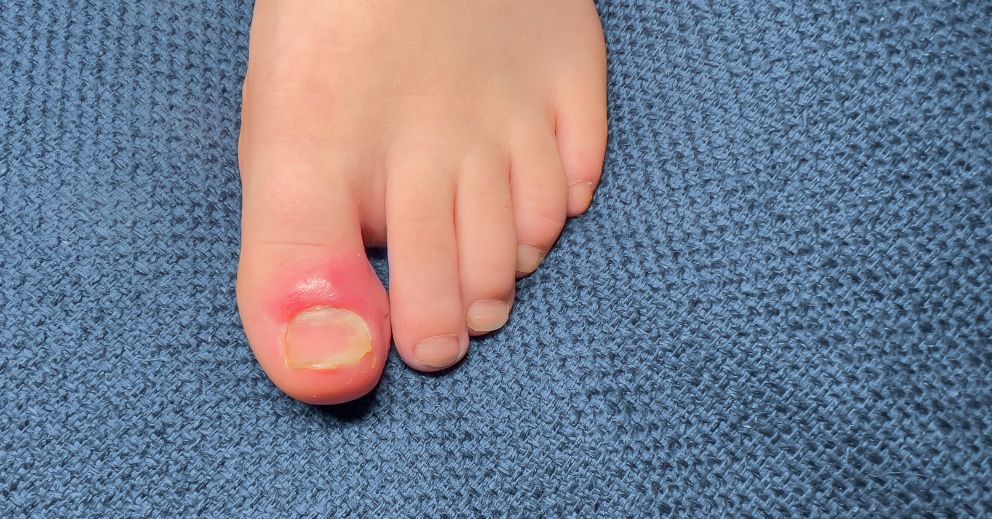
Ingrown toenails are a common and frustrating problem. Just when you think it has healed, the pain, redness or infection returns. For many people, recurring ingrown toenails make walking uncomfortable and everyday footwear difficult to tolerate.
Understanding why ingrown toenails keep coming back is the first step towards long-term relief. While home care might settle symptoms temporarily, recurring issues usually point to an underlying cause that needs proper treatment.
Summary: Recurring ingrown toenails are often caused by ongoing pressure, nail shape, footwear choices or incomplete treatment. Without addressing the root cause, symptoms are likely to return. Proper podiatry care focuses on correcting the problem, not just relieving short-term pain.
What is an ingrown toenail?
An ingrown toenail occurs when the edge of the nail grows into the surrounding skin instead of over it. This can cause pain, swelling, redness and sometimes infection. The big toe is most commonly affected, but ingrown nails can occur on any toe.
While a single ingrown toenail can heal with appropriate care, repeated episodes usually indicate an ongoing issue.
Common reasons ingrown toenails keep returning
Incorrect nail cutting
One of the most common causes is cutting toenails too short or rounding the edges. This encourages the nail to grow into the skin as it regrows.
Tight or poorly fitting footwear
Shoes that squeeze the toes place constant pressure on the nail edges. Over time, this pressure forces the nail into the skin, increasing the risk of recurrence.
Nail shape and genetics
Some people naturally have curved or thick nails that are more likely to become ingrown. If ingrown toenails run in your family, you may be more prone to repeat issues.
Trauma or repeated pressure
Activities such as running, kicking sports or wearing work boots for long hours can cause repeated micro-trauma to the toenail, leading to ongoing problems.
Incomplete or temporary treatment
Treating the symptoms without addressing the nail edge or underlying cause often leads to recurrence. Simply trimming the nail back at home rarely provides a long-term solution.
Infection and inflammation
Once an ingrown toenail becomes infected, swelling can make future ingrowth more likely, creating a cycle of pain and flare-ups.
Why home treatments often do not fix the problem
Soaking, trimming or padding the toe may provide short-term relief, but these approaches do not change how the nail grows. In many cases, repeated home treatment can worsen inflammation or increase infection risk.
If ingrown toenails continue to return, professional podiatry care is usually required to prevent long-term damage and ongoing discomfort.
How a podiatrist treats recurring ingrown toenails
A podiatrist focuses on treating the cause, not just the symptoms. Treatment options may include:
-
Safe removal of the ingrown nail edge
-
Reducing inflammation and treating infection
-
Nail correction techniques
-
Permanent nail procedures when appropriate
-
Advice on footwear and nail care
The right approach depends on how severe the ingrown toenail is and how often it has returned.
When to seek professional treatment
You should see a podiatrist if you experience:
-
Repeated ingrown toenails on the same toe
-
Signs of infection such as redness, swelling or discharge
-
Ongoing pain when walking or wearing shoes
-
Diabetes or circulation issues alongside toenail problems
Early treatment can prevent complications and reduce the likelihood of recurrence.
Long-term relief with Foot HQ
At Foot HQ, highly qualified podiatrists provide effective treatment for ingrown toenails, focusing on fast relief and long-term results. With a wide range of treatment options, Foot HQ helps patients overcome pain, injury and infection so they can walk comfortably again.
Care is affordable, thorough and tailored to your needs, ensuring the underlying cause is addressed rather than repeatedly treated.
Book an appointment today to learn more.
Key takeaways
-
Recurring ingrown toenails usually have an underlying cause
-
Nail cutting habits, footwear and nail shape all play a role
-
Home treatments rarely prevent recurrence long term
-
Podiatry treatment focuses on correcting the problem
-
Early care reduces pain, infection and future flare-ups
FAQ
Why does my ingrown toenail keep getting infected?
Repeated pressure and incomplete treatment can lead to ongoing inflammation, making infection more likely each time it flares up.
Can ingrown toenails be permanently fixed?
Yes. In many cases, podiatrists can perform procedures that prevent the problem section of nail from growing back.
Should I cut my ingrown toenail myself?
This is not recommended, especially if the nail is painful or infected, as it can worsen the issue.
Are ingrown toenails serious?
They can become serious if left untreated, particularly for people with diabetes or circulation issues. Early treatment is always advised.


Share: