
You remove a corn or file down hard skin and for a little while, your feet feel better. Then a few weeks later, it’s back. Same spot. Same discomfort.
If this sounds familiar, you’re not alone. Corns and hard skin are common foot problems, and they often return because the underlying cause hasn’t been addressed.
At Foot HQ, we regularly help patients break the cycle. The key isn’t just removing the build-up. It’s understanding why it’s forming in the first place and fixing that.
Summary: Corns and hard skin keep coming back because ongoing pressure or friction hasn’t been resolved. While temporary removal provides relief, long-term results require identifying the root cause, such as footwear, foot structure or walking patterns. Professional podiatry care can remove the build-up safely and address the underlying issue to prevent recurrence.
What Are Corns and Hard Skin?
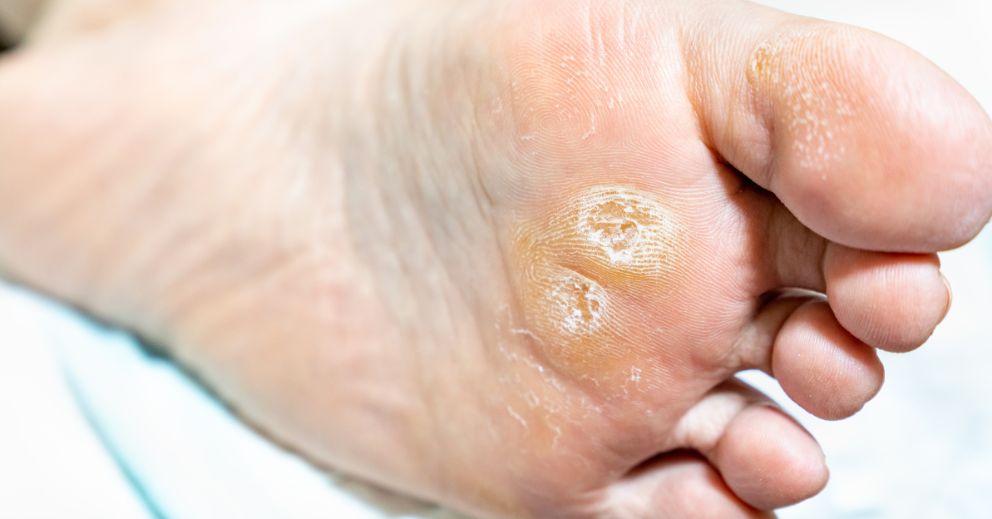
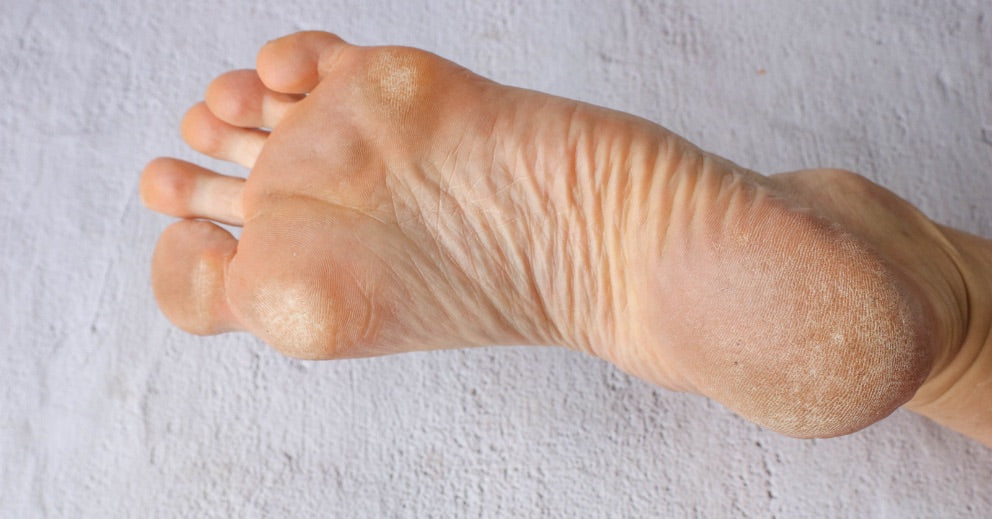
Hard skin, also known as callus, is a thickened area of skin that forms in response to repeated pressure or friction.
Corns are similar but more localised. They’re small, concentrated areas of thickened skin that often have a hard centre and can be quite painful when pressed.
They commonly develop:
-
On the tops or sides of toes
-
Between toes
-
On the ball of the foot
-
On the heel
Your body creates this thickened skin as protection. The problem is, when pressure continues, the build-up continues too.
Why Do Corns and Hard Skin Keep Returning?
The simple answer is pressure.
If the pressure or friction that caused the corn or callus in the first place is still there, your skin will respond the same way again.
Here are the most common reasons:
1. Ill-Fitting Footwear
Shoes that are too tight, too narrow or have high heels increase pressure on certain areas of the foot. Even slightly cramped toe boxes can cause recurring corns.
2. Foot Structure and Biomechanics
Bony prominences, hammertoes, bunions or flat feet can create uneven pressure when you walk. This ongoing stress leads to repeated skin thickening.
3. Walking Patterns
The way you move can place extra load on specific parts of your foot. Over time, that repeated force leads to callus formation.
4. Attempting DIY Removal
Over-the-counter corn pads and home filing can provide short-term relief but don’t address the root cause. In some cases, they can even irritate the skin and make things worse.
Why You Shouldn’t Ignore Them
It’s tempting to think of corns and hard skin as minor cosmetic issues. But they can become painful and affect how you walk.
If left untreated, they can lead to:
-
Ongoing discomfort
-
Altered gait and posture
-
Increased pressure elsewhere in the foot
-
Skin breakdown or infection
For people with diabetes or circulation issues, even small areas of thickened skin can become serious if not managed properly.
How to Fix Corns and Hard Skin Properly
Long-term relief requires a two-part approach: remove the build-up safely and reduce the pressure causing it.
Professional Debridement
A podiatrist can gently and safely remove corns and calluses using sterile instruments. This provides immediate relief without damaging healthy skin.
Pressure Offloading
This is the part many people miss.
Depending on your needs, your podiatrist may recommend:
-
Footwear changes
-
Padding or silicone toe props
-
Biomechanical assessment
-
Treatment for underlying deformities
By redistributing pressure, we reduce the trigger that causes the skin to thicken.
The Role of Custom Orthotics
If recurring hard skin is linked to how your foot moves, orthotics can be a game changer.
Custom orthotics are designed to:
-
Improve foot alignment
-
Even out pressure distribution
-
Reduce stress on problem areas
-
Prevent repeated skin build-up
They’re particularly helpful for patients with structural foot issues or long-standing callus problems.
What About Corn Removal Products?
Corn plasters and medicated pads often contain acids that break down thickened skin. While they might shrink the corn temporarily, they don’t solve the pressure problem.
In some cases, these products can:
-
Damage surrounding healthy skin
-
Cause irritation
-
Increase infection risk
Professional treatment is safer and more effective.
When to See a Podiatrist
You should book an appointment if:
-
The corn or callus is painful
-
It keeps returning in the same spot
-
You have diabetes or circulation issues
-
Home treatments aren’t working
-
You notice redness, swelling or broken skin
At Foot HQ, we don’t just remove the problem. We look at why it’s happening and create a plan to stop it coming back.
Break the Cycle of Recurring Corns and Hard Skin
If you’re tired of treating the same corn over and over, it’s time to fix the real cause. At Foot HQ, our experienced podiatrists provide thorough assessments, safe treatment and personalised solutions so you can walk comfortably again.
Book your appointment today and take the first step towards long-term relief and healthier feet.
Key Takeaways
-
Corns and hard skin form due to repeated pressure or friction
-
They keep returning if the underlying cause isn’t addressed
-
Professional removal provides safe, immediate relief
-
Footwear changes and orthotics can prevent recurrence
-
Ignoring them can lead to pain and further foot problems
FAQ
Are corns and calluses the same thing?
They’re similar but not identical. Calluses are broader areas of thickened skin, while corns are smaller and more concentrated with a central core.
Will a corn go away on its own?
If the pressure causing it is removed, it may improve. But in most cases, ongoing pressure means it will persist or return.
Is corn removal painful?
Professional removal is usually quick and provides relief almost immediately. It’s far safer than cutting or treating them yourself at home.
How often will I need treatment?
It depends on the cause. Some patients need occasional maintenance, while others achieve long-term improvement once pressure is properly managed.


Share: