

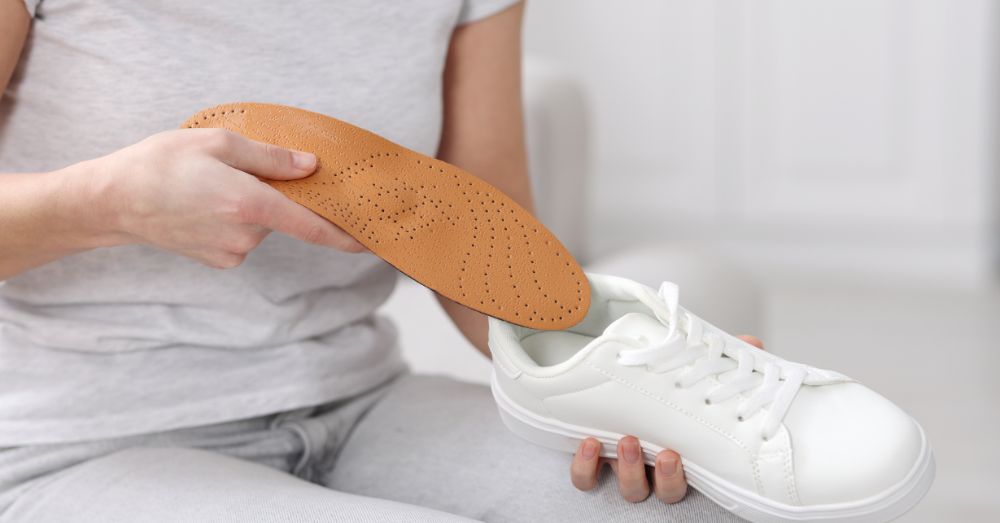
If you’ve ever picked up a pair of store-bought insoles hoping they’d fix your foot pain, you’re definitely not alone. They’re easy to find, relatively affordable, and often promise quick relief. Sometimes they help a little. But for many people, the pain comes back, or never really goes away in the first place.
That’s where custom orthotics come in. They’re designed specifically for your feet, your movement, and your condition. And when off-the-shelf options fall short, they can make a noticeable difference in comfort, mobility, and long-term foot health.
Summary: Store-bought insoles are made to suit the general population, which means they can’t address individual foot structure or specific conditions. Custom orthotics, on the other hand, are prescribed based on a detailed assessment of how your feet function. They’re built to correct underlying issues, not just cushion discomfort. For people dealing with ongoing foot pain, injuries, or biomechanical problems, that tailored approach often leads to better and longer-lasting results.
Why store-bought insoles don’t always work
Off-the-shelf insoles can be helpful in certain situations. They might provide extra cushioning or slight arch support, which can ease mild discomfort. But they’re not designed to treat specific conditions.
Here’s where they tend to fall short:
-
they’re made in standard shapes and sizes
-
they don’t account for how you walk or run
-
they offer limited support for complex foot issues
-
they can wear down quickly with regular use
-
they often only treat symptoms, not the cause
For example, if you’re dealing with plantar fasciitis, heel pain, or recurring ankle injuries, a generic insole may not provide the right level of support or alignment. You might feel temporary relief, but the underlying issue is still there.
What are custom orthotics?
Custom orthotics are medical-grade inserts designed specifically for your feet. They’re prescribed by a podiatrist after a detailed assessment, which may include:
-
analysing how you walk or run
-
assessing foot posture and alignment
-
identifying pressure points and areas of strain
-
reviewing your injury history and symptoms
Based on this, your orthotics are made to suit your exact needs. They’re not just about comfort. They’re designed to improve how your feet function.
How custom orthotics deliver better results
They address the root cause
Instead of just adding cushioning, custom orthotics aim to correct the underlying problem. That could be poor foot alignment, abnormal gait patterns, or uneven weight distribution.
By improving how your foot moves and bears weight, orthotics can reduce stress on muscles, joints and ligaments.
They’re tailored to your body and lifestyle
No two people walk the same way. Your job, activity level, footwear, and even past injuries all play a role in how your feet function.
Custom orthotics take all of this into account. Whether you’re on your feet all day at work, playing sport on weekends, or just trying to stay active without pain, they’re designed to suit your lifestyle.
They can help with a wide range of conditions
Custom orthotics are commonly used to manage:
-
flat feet or high arches
-
shin splints
-
knee, hip or lower back pain linked to foot mechanics
-
sports injuries
-
ankle instability
Because they improve overall alignment, their benefits often extend beyond just the feet.
They last longer and perform better
Store-bought insoles tend to compress and lose support over time. Custom orthotics are made from durable materials designed to hold their shape and provide consistent support.
That means better performance and better value over the long term.
When should you consider custom orthotics?
If you’ve tried different insoles and still feel discomfort, it may be time to look at a more tailored solution.
You might benefit from custom orthotics if you:
-
have ongoing foot pain that doesn’t improve
-
experience recurring injuries
-
notice uneven wear on your shoes
-
feel pain in your knees, hips or lower back
-
spend long hours on your feet
-
are active in sport and want to prevent injury
Even mild discomfort can be a sign that something isn’t quite right. Getting it assessed early can help prevent bigger issues down the track.
The role of a podiatrist in getting it right
Getting the right outcome isn’t just about the orthotics themselves. It’s about the assessment, diagnosis and ongoing care that come with them.
A qualified podiatrist will:
-
identify the cause of your pain
-
recommend the right treatment plan
-
ensure your orthotics fit properly
-
make adjustments if needed over time
At Foot HQ, our podiatrists have seen it all, from heel pain and sports injuries to ingrown toenails and fungal nail conditions. We focus on delivering exceptional results with care and service that helps you recover faster and move comfortably again.
Why investing in the right support matters
It’s easy to keep trying different insoles, hoping the next pair will do the trick. But if the underlying issue isn’t addressed, the cycle of discomfort often continues.
If you’re tired of relying on insoles that don’t quite work, it might be time for a solution tailored to you. At Foot HQ, we provide expert podiatry care and custom orthotics designed to help you move comfortably and live pain-free. Book your appointment and take the first step towards better foot health.
Key takeaways
-
Store-bought insoles may provide short-term comfort but aren’t designed to treat specific foot conditions or biomechanical issues
-
Custom orthotics are tailored to your feet, movement, and lifestyle
-
They offer a more effective solution for ongoing pain or recurring injuries
-
If standard insoles haven’t worked as expected, a personalised approach can make a significant difference
FAQ
Are custom orthotics worth the cost?
For many people, yes. While they cost more upfront than store-bought insoles, they’re designed to last longer and address the root cause of pain, which can reduce the need for ongoing treatments.
How long do custom orthotics last?
This depends on usage and materials, but they generally last longer than standard insoles. Your podiatrist will guide you on when they may need replacing.
Do I need orthotics for both feet?
In most cases, yes. Even if pain is only on one side, both feet work together, and supporting both helps maintain proper alignment.
Can orthotics help with knee or back pain?
They can. If your pain is related to how your feet move or absorb impact, improving foot alignment can reduce strain on other parts of the body.
Will orthotics fit in all shoes?
Most orthotics are designed to fit a range of footwear, but some shoes may not accommodate them well. Your podiatrist can recommend suitable options.
Do I need a referral to see a podiatrist?
In most cases, no. You can book directly with a podiatry clinic for an assessment.


Share: