

Estimated Read Time: 8 min
Social media has turned barefoot walking into one of the biggest health trends going around. Your feed is full of influencers ditching their shoes, claiming it fixed their plantar fasciitis, improved their posture, and reconnected them with nature. It looks convincing. But is it actually safe and is it right for you?
As podiatrists at Foot HQ in Miranda, we treat feet every day that have been affected by trends like this. Some patients benefit from spending more time barefoot. Others walk through the door with stress fractures, Achilles flare-ups, and worsening heel pain after following advice they found on TikTok.
Here's our honest, evidence-based breakdown of what works, what doesn't, and what you should do before kicking off your shoes.
Why Barefoot Walking Took Over Social Media
The barefoot walking hashtag has racked up hundreds of millions of views across TikTok and Instagram. The appeal is simple: people are tired of foot pain, restrictive shoes, and overuse injuries. When an influencer says that ditching shoes changed their life, it resonates.
The trend isn't entirely new. It traces back to the minimalist running movement of the early 2000s, which promoted the idea that modern shoes weaken feet. That philosophy has now merged with wellness culture, biohacking, and the belief that "natural is always better."
The problem? A 30-second video doesn't show the months of gradual adaptation, the strength training behind the scenes, or the fact that the person filming may have completely different biomechanics to you.
What the Research Actually Says About Barefoot Walking
The evidence on barefoot walking is more nuanced than social media suggests. Here's what holds up and what doesn't.
What's Supported by Evidence
✅ It can strengthen intrinsic foot muscles. Walking barefoot on soft, safe surfaces encourages the small muscles in your feet and arches to work harder. Over time, this can improve foot strength in people who are otherwise healthy.
✅ It may improve balance and proprioception. Without shoes, your feet receive more sensory feedback from the ground. This helps your body sense its position and adjust movement, which can be useful for balance training.
✅ Children may benefit from barefoot time. Research suggests children who spend more time barefoot in safe environments tend to develop wider forefeet and stronger arches, supporting healthier foot development.
What's Overstated or Misleading
❌ It won't cure plantar fasciitis. If you're dealing with heel pain or plantar fasciitis, going barefoot on hard surfaces often increases strain on the arch and heel making things worse, not better.
❌ "Grounding" and "earthing" benefits are unproven. The claim that walking barefoot transfers healing electrons from the earth into your body is not supported by any credible scientific research.
❌ Injury risk increases with rapid transition. Studies on barefoot runners consistently show higher rates of stress fractures, tendon injuries, and calf strains when people transition too quickly from supportive shoes. (I've sustained an injury this way)
❌ Most positive research involves trained individuals. The studies showing benefits typically examine people who've been walking or running barefoot for years not someone trying it for the first time after decades in structured footwear.
The bottom line: barefoot walking has a place, but it isn't a universal fix. For most people, a gradual, guided approach with professional input is the safest path.
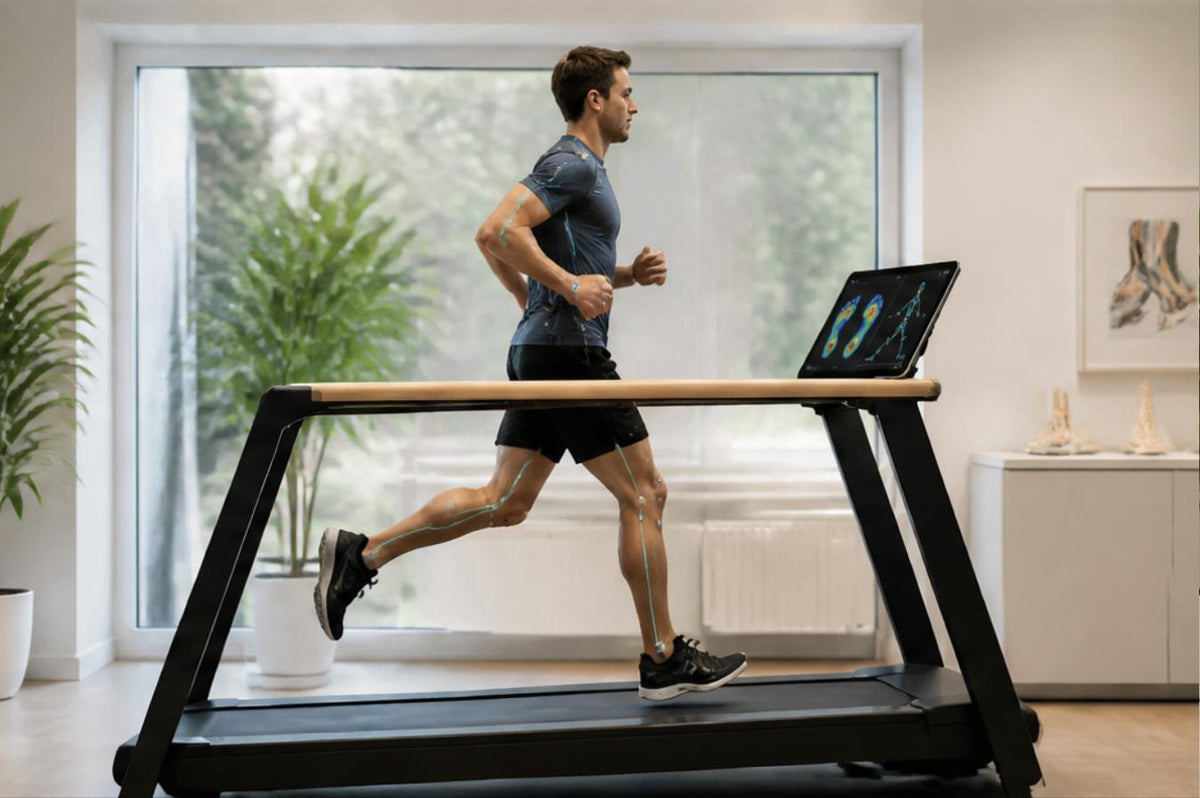
Not sure if your feet are ready for barefoot walking? Book a biomechanical assessment at Foot HQ and we'll assess your gait, strength, and foot structure before you make changes.
Who Should Avoid Barefoot Walking Entirely ❌
While it looks harmless on camera, barefoot walking carries genuine risk for certain groups. We recommend avoiding it completely if you have:
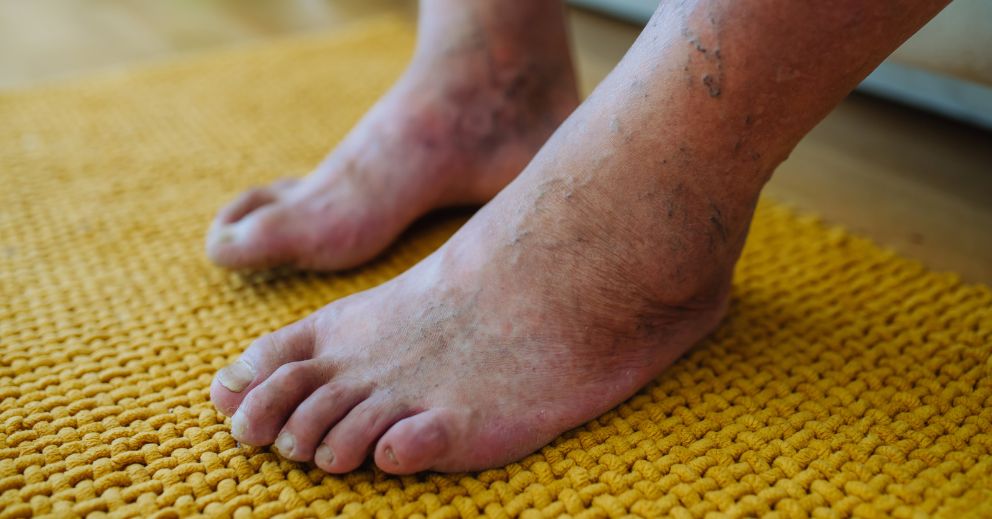
- Diabetes or peripheral neuropathy: Reduced sensation means you may not feel a cut, blister, or foreign object. Even minor wounds can progress to serious infections.
- Peripheral vascular disease: Poor circulation slows healing and increases infection risk.
- Existing foot pain or injury: Walking barefoot without adequate support is likely to aggravate conditions such as plantar fasciitis, Achilles tendinopathy, or metatarsalgia.
- A compromised immune system: Open wounds, splinters, or blisters become higher risk when your body's ability to fight infection is reduced.
Important: If you have diabetes and are considering barefoot walking, please speak with a podiatrist first. At Foot HQ, we offer diabetic foot assessments to help you understand your risk and keep your feet safe.
How to Transition Safely (If You Still Want to Try)
If you're keen to explore barefoot walking, the key is doing it gradually and with awareness. What social media skips over is that a safe transition takes months not days.
Start With Minutes, Not Hours
Begin with five to ten minutes on soft grass or sand. Your feet, calves, and Achilles tendons need time to adapt to working without the support of shoes. Increase your time by about five minutes per week and expect the full transition to take anywhere from six to twelve months.
Recognise the Warning Signs
Some mild muscular discomfort is normal as your feet adjust. Sharp pain, swelling, or pain that lingers into the next day is not normal it may indicate you're progressing too fast or that barefoot walking isn't suitable for your foot type.
Consider Minimalist Shoes as a Bridge
Minimalist shoes with a thin sole and wide toe box give your feet more natural movement without removing all protection. They're a practical middle step between traditional footwear and going fully barefoot.
A Simple Progression Plan
- Walk barefoot indoors on clean, flat surfaces.
- Add foot strengthening exercises: towel scrunches, toe spreading, single-leg balance work, and heel raises.
- Move to minimalist shoes for short walks once your strength improves.
- Book a gait assessment to check whether your biomechanics support barefoot walking safely.
Getting the transition right is the difference between stronger feet and a painful setback.
Smarter Alternatives That Deliver Similar Benefits
You don't need to go barefoot outdoors to build stronger, healthier feet. These evidence-based alternatives deliver many of the same benefits with far less risk:
- Wear properly fitted shoes. This means correct length and width. Shoes that are too narrow compress toes and restrict natural foot movement. If you're unsure about fit, our team at Foot HQ can help with footwear advice.
- Go barefoot at home. Walking on clean indoor surfaces gives your feet natural movement time without the hazards of outdoor terrain.
- Do regular foot strengthening exercises. Heel raises, balance drills, and towel curls build the same muscular strength that barefoot walking targets without the injury risk.
- Use custom orthotics where needed. For patients with biomechanical issues, custom orthotics provide alignment and load distribution that barefoot walking simply can't replicate.
These approaches are practical, low-risk, and backed by clinical evidence.
Walking Barefoot out and about in the Shire: A Reality Check
The idea of walking barefoot through nature sounds appealing until you consider the reality of walking around Miranda, Cronulla, or anywhere in the Sutherland Shire during an Australian summer.
Concrete footpaths and asphalt regularly exceed temperatures that can burn skin within seconds on a hot day. Park grass may hide bindii prickles, glass, or sharp debris. Public spaces carry hygiene risks, particularly where pets are walked or near waterways.
Hard man-made surfaces like concrete provide zero shock absorption. They place significantly more strain on joints than natural terrain and are a far cry from the soft earth or sand that barefoot walking advocates promote.
In our climate, supportive shoes are almost always the smarter, safer option for daily walking.
Looking for the right shoes for your feet? Book a footwear consultation at Foot HQ Miranda and get personalised recommendations based on your foot type and lifestyle.
When to See a Podiatrist Instead of Following Social Media
If barefoot walking interests you but you're unsure whether it's appropriate for your feet, the safest first step is always a professional assessment.
See a podiatrist at Foot HQ if:
- You have foot pain that isn't resolving on its own.
- You're planning a transition to barefoot or minimalist footwear.
- You have an existing condition such as bunions, flat feet, high arches, or plantar fasciitis.
- You want a gait analysis or advice on strengthening and footwear selection.
We see patients across the Sutherland Shire from Miranda and Caringbah to Cronulla and Gymea and we'll give you an honest answer about what your feet actually need.
Before you ditch your shoes based on a TikTok video, book a biomechanical assessment at Foot HQ. Book online here we'll tell you straight whether barefoot walking suits your feet.
Frequently Asked Questions
Is walking barefoot good for your feet?
It can be beneficial for some people in the right setting particularly on soft, safe surfaces where foot muscles are encouraged to work naturally. However, for those with existing pain, poor load tolerance, or conditions like diabetes, it can make symptoms worse. A podiatrist can help determine whether it's appropriate for you.
Can barefoot walking strengthen feet?
It may improve intrinsic foot muscle activity in some individuals, but strength needs to be built gradually and within the limits your tissues can tolerate. Foot strengthening exercises can achieve similar results with less risk.
Is barefoot walking bad if I have plantar fasciitis?
It often is. Walking barefoot on hard surfaces tends to increase heel pain, particularly first thing in the morning or after prolonged standing. If you have plantar fasciitis, supportive footwear or custom orthotics are usually more helpful.
Should children walk barefoot?
Barefoot time in safe environments can benefit children's foot development, but some children still need supportive footwear depending on their activity levels, symptoms, and foot function. If you're concerned about your child's feet, a paediatric foot assessment is a good starting point.
Is barefoot walking safe on hard floors?
Hard indoor surfaces can be problematic for people with heel pain, forefoot pain, arthritis, or reduced fat pad cushioning. The surface matters just as much as whether you're wearing shoes.
Are minimalist shoes a good alternative to barefoot walking?
Minimalist shoes can serve as a useful bridge for people who want more natural foot movement without full exposure. They work best for individuals who have already built foot strength and have been assessed for suitability.
When should I see a podiatrist before trying barefoot walking?
If you already have foot pain, a history of injury, diabetes, recurring Achilles issues, bunion pain, or trouble tolerating flat shoes, it's sensible to get professional advice before making significant changes. Book an appointment at Foot HQ to find out what's right for your feet.
The Takeaway
Barefoot walking isn't inherently bad but it's frequently oversimplified online. The reality is that our modern environment, hard surfaces, and shoe-adapted feet make it risky for a large number of people. Some individuals may benefit from limited barefoot activity, but only with gradual progression, proper strength training, and professional guidance.
If you're curious, start small. Focus on strengthening your feet first. And talk to a podiatrist before making big changes based on what you saw on social media.
At Foot HQ in Miranda, we assess your gait, strength, and footwear to create a plan tailored to how you live and move. Whether that means supportive shoes, minimalist footwear, custom orthotics, or a structured barefoot transition we'll help you find what actually works for your feet.
Author: Aba
Published: 4.4.26
Ready to find out what's best for your feet? Book a biomechanical assessment at Foot HQ today →

Share: