


Athletic performance is built from the ground up. Whether you run, jump, lift or change direction quickly, your feet play a critical role in how efficiently your body moves. When foot mechanics are not working optimally, performance can plateau and the risk of injury increases.
A foot and gait assessment looks closely at how your feet function and how your body moves during activity. By identifying inefficiencies or imbalances early, athletes can improve performance, reduce strain and move with greater confidence.
Summary: A foot and gait assessment helps athletes understand how their feet and movement patterns affect performance. By identifying imbalances, pressure points and inefficient mechanics, podiatry care can improve efficiency, reduce injury risk and support stronger, more consistent athletic performance.
What is a foot and gait assessment?
A foot and gait assessment is a detailed evaluation of how your feet, ankles and lower limbs work during movement. Gait simply refers to how you walk or run.
The assessment examines:
-
Foot structure and alignment
-
How your feet contact the ground
-
Movement patterns through the ankles, knees and hips
-
Balance, stability and symmetry
-
Areas of excessive pressure or strain
This information helps podiatrists understand how force travels through your body during sport and exercise.
Why foot mechanics matter in sport
Every step you take transfers force through the body. If your feet are not absorbing or distributing that force effectively, other areas such as the knees, hips or lower back often compensate.
Common performance-related issues linked to poor foot mechanics include:
-
Reduced running efficiency
-
Early fatigue
-
Recurrent injuries
-
Loss of power or stability
-
Inconsistent movement patterns
Optimising foot function can improve how efficiently you move, helping you perform better with less strain.
How a gait assessment can enhance performance
Improving movement efficiency
By identifying inefficient movement patterns, a podiatrist can help reduce wasted energy. This is especially important for runners and endurance athletes where small inefficiencies add up over time.
Reducing injury risk
Overuse injuries often stem from repeated stress on the same tissues. A gait assessment highlights areas of excessive load, allowing early intervention before injuries develop.
Enhancing strength and stability
Better foot alignment can improve balance and stability, supporting stronger push-off, improved agility and better control during sport-specific movements.
Supporting recovery and longevity
Addressing movement issues early helps athletes train more consistently, recover better and stay active long term.
What happens during a foot and gait assessment?
A podiatrist will begin with a discussion about your sport, training load, injury history and performance goals. The physical assessment may include:
-
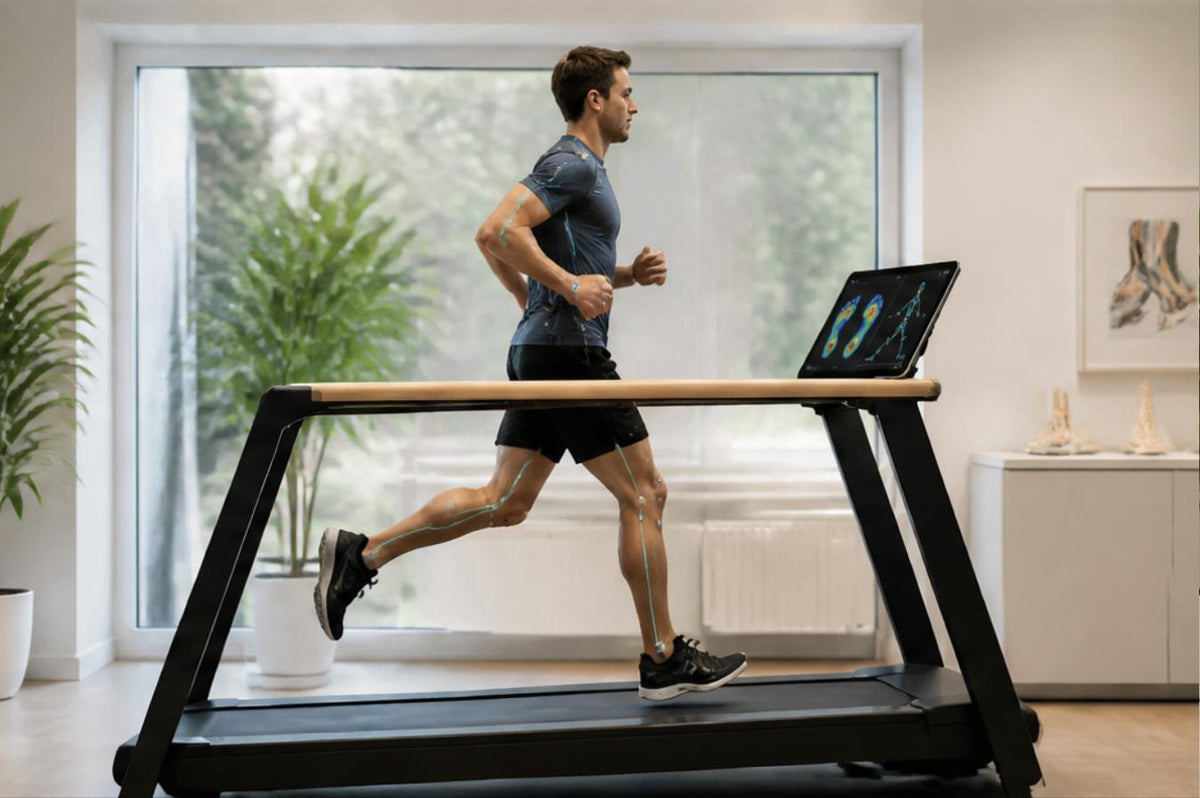
Observation of walking and running patterns
-
Foot posture and range of motion testing
-
Strength and flexibility assessment
-
Footwear review
-
Pressure or video analysis, where appropriate
Based on the findings, a tailored plan is developed to support performance and reduce injury risk.
How podiatry treatment supports athletic goals
Following a foot and gait assessment, treatment may include:
-
Technique or movement advice
-
Footwear recommendations
-
Strength and mobility exercises
-
Load management strategies
-
Custom orthotics where appropriate
The focus is always on supporting your specific sport and training demands.
Who benefits from a foot and gait assessment?
Athletes of all levels can benefit, including:
-
Runners and triathletes
-
Field and court sport athletes
-
Gym and strength training enthusiasts
-
Junior athletes developing movement patterns
-
Anyone returning from injury
Even athletes without pain can gain valuable insights that improve performance and prevent future problems.
Performance-focused podiatry at Foot HQ
At Foot HQ, podiatrists provide comprehensive foot and gait assessments tailored to athletic performance. With a strong focus on results, fast injury recovery and affordable care, Foot HQ helps athletes move better, train smarter and perform at their best.
Whether you are chasing a personal best or simply want to stay injury-free, expert podiatry support can make a measurable difference. Book your appointment today.
Key takeaways
-
Foot mechanics play a major role in athletic performance
-
Gait assessments identify inefficiencies and injury risks
-
Improved foot function supports efficiency, strength and stability
-
Early intervention helps prevent overuse injuries
-
Podiatry care supports both performance and longevity
FAQ
Do I need to be injured to benefit from a gait assessment?
No. Many athletes use gait assessments proactively to improve performance and prevent injuries.
Are orthotics always required?
Not always. Treatment depends on the findings and may include exercises, footwear changes or technique advice.
Is a gait assessment only for runners?
No. Athletes from all sports can benefit from understanding how their feet and movement patterns affect performance.
How long does a foot and gait assessment take?
Most assessments take around 30 to 45 minutes, depending on complexity and goals.

Share: