

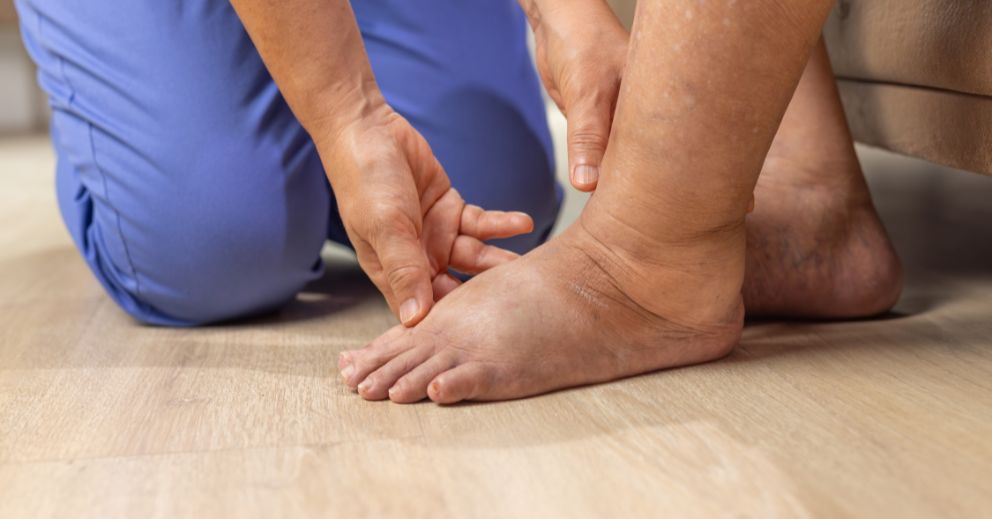
If you are living with diabetes, regular foot check-ups are an important part of protecting your long-term health. Changes in circulation and nerve sensation can make it harder to notice injuries, pressure points or infections, allowing small problems to become serious if left untreated.
A diabetic foot check-up is a preventative assessment performed by a podiatrist to identify risks early and help keep your feet healthy, comfortable and complication-free.
Summary: A diabetic foot check-up involves a thorough assessment of circulation, nerve function, skin health and foot structure. The goal is to detect problems early, reduce the risk of ulcers or infection, and provide personalised care to help people with diabetes stay mobile and pain-free.
Why diabetic foot checks are so important
Diabetes can affect the feet in several ways, even when blood sugar levels are well managed. Reduced sensation may mean injuries go unnoticed, while decreased blood flow can slow healing.
Regular foot check-ups help to:
-
Detect early signs of nerve damage
-
Identify circulation issues
-
Prevent ulcers and infections
-
Reduce the risk of serious complications
-
Maintain mobility and independence
For many people, these check-ups are key to avoiding hospitalisation or long-term foot problems.
What a podiatrist checks during a diabetic foot assessment
A diabetic foot check-up is detailed but straightforward. Your podiatrist will assess several important areas.
Skin and nail health
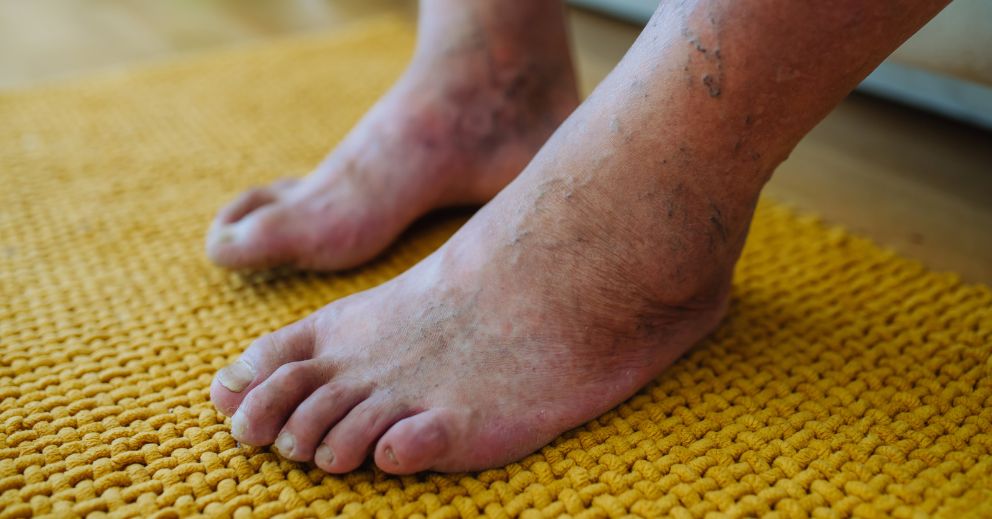
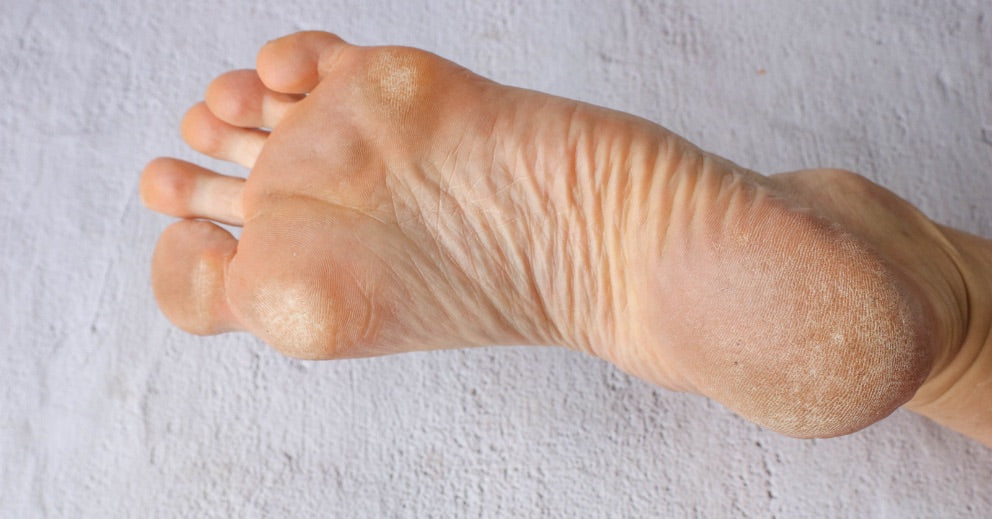
The podiatrist checks for cuts, cracks, calluses, corns, infections or changes in skin colour. Nails are also assessed for issues such as thickening or ingrown edges that could cause pressure or injury.
Circulation
Blood flow to the feet is assessed by checking pulses and skin temperature. Reduced circulation can increase the risk of slow healing and infection.
Nerve sensation
Loss of feeling is common in people with diabetes. The podiatrist may use gentle tools to test sensation and identify any numbness or reduced awareness in the feet.
Foot structure and pressure points
The shape of your feet, toes and arches is assessed to identify areas of increased pressure. These pressure points can lead to skin breakdown or ulcers over time.
Footwear assessment
Shoes play a major role in foot health. Your podiatrist may check the fit and wear patterns of your footwear and provide advice to reduce pressure and friction.
What happens after the check-up?
Following the assessment, your podiatrist will explain their findings in clear, practical terms. If issues are identified, they may recommend:
-
Ongoing monitoring
-
Routine podiatry care
-
Treatment for skin or nail problems
-
Footwear modifications or orthotics
-
A personalised foot care plan
If everything looks healthy, the check-up still provides peace of mind and establishes a baseline for future visits.
How often should you have a diabetic foot check?
The frequency of check-ups depends on your individual risk level. Some people benefit from annual assessments, while others may need more regular reviews.
Your podiatrist will recommend a schedule based on factors such as sensation, circulation, previous foot issues and overall health.
When to book a diabetic foot check-up
You should consider booking a check-up if you:
-
Have been diagnosed with diabetes
-
Notice numbness, tingling or pain in your feet
-
Have changes in skin colour or temperature
-
Experience recurring foot or nail problems
-
Have not had a foot assessment in the past year
Early care is always easier than treating complications later.
Diabetic foot care at Foot HQ
At Foot HQ, highly qualified podiatrists provide thorough diabetic foot check-ups focused on prevention, early detection and fast treatment. With a wide range of services and an emphasis on affordable, high-quality care, Foot HQ helps people with diabetes stay mobile, comfortable and confident.
If you are due for a diabetic foot check-up or have concerns about your foot health, book an appointment now.
Key takeaways
-
Diabetic foot check-ups help prevent serious complications
-
Assessments include skin, nails, circulation and nerve function
-
Early detection reduces the risk of ulcers and infection
-
Footwear and pressure points are an important part of the review
-
Regular podiatry care supports long-term foot health
FAQ
Do diabetic foot check-ups hurt?
No. Assessments are gentle and non-invasive.
Can I do foot checks at home instead?
Home checks are helpful, but they do not replace a professional assessment.
What if I do not have any foot pain?
Many diabetic foot problems develop without pain. Regular check-ups are still important.
Do I need a referral to see a podiatrist?
No referral is required to book a diabetic foot check-up.


Share: