

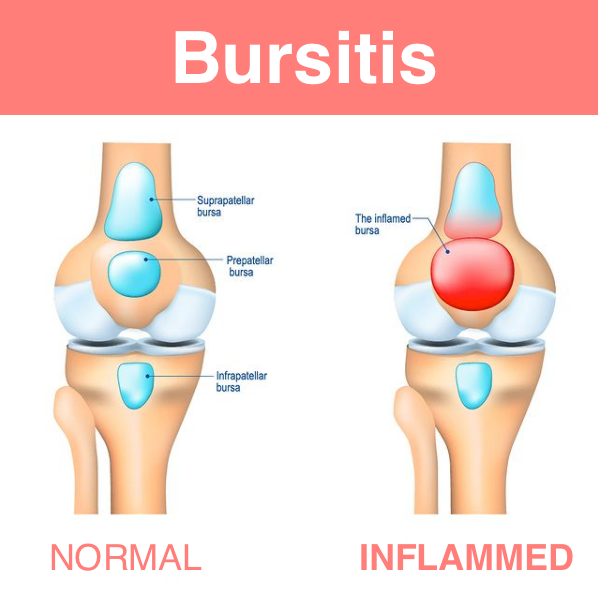
The body is full of bursaes, and while many people don’t realise it, these small structures can play a major role in issues like foot and knee pain when walking, especially when combined with underlying foot pain or poor movement patterns.
Bursa around the body are cushion-like structures that act as a smooth gliding surface between tissues such as bones, tendons, and ligaments within a joint like the knee joint. They help reduce friction as you move, particularly through the lower leg, where repetitive motion can contribute to knee injuries or even ankle pain if not properly managed.
As tendons and muscles around the knee are constantly moving, there is ongoing friction between these structures and surrounding tissue, including cartilage and the thigh bone. The bursa uses synovial fluid to minimise this friction, but when overload occurs, such as with runners knee, patellofemoral pain syndrome, or general overuse injury, it can become inflamed. This inflammation often leads to anterior knee pain, sharp pain, or even sudden knee pain depending on the severity.
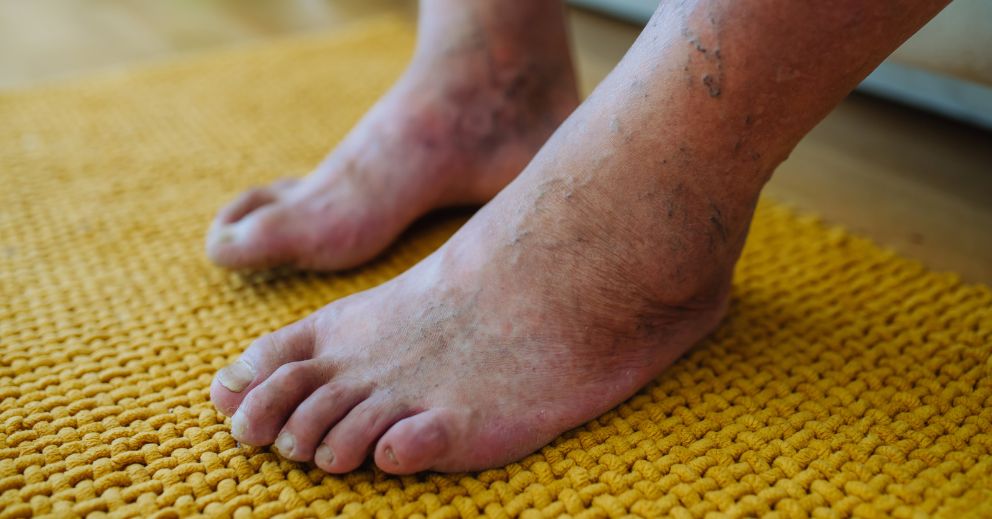
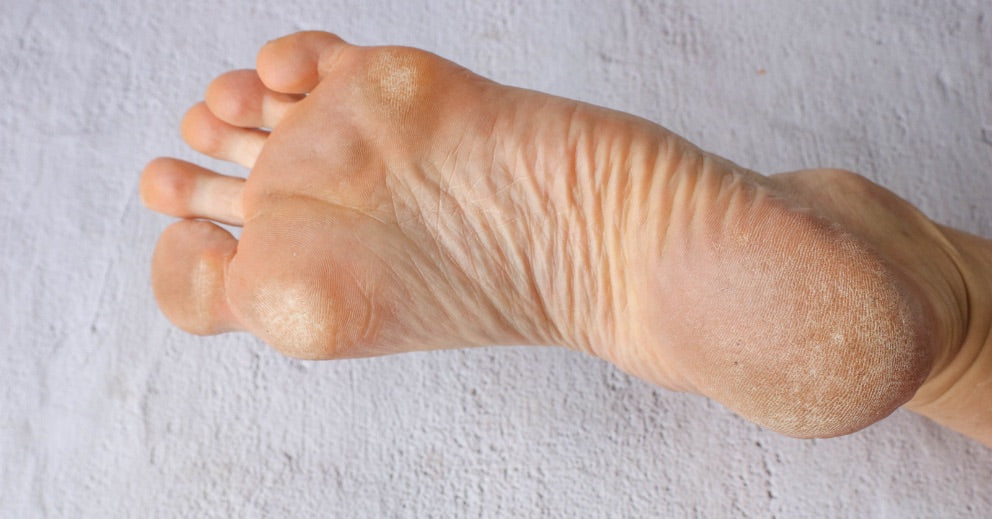
Poor biomechanics such as flat feet or poor foot posture can increase stress through the knee joint and surrounding structures, contributing to conditions like patellofemoral pain, shin splints, or strain on the achilles tendon. Over time, this can develop into chronic knee pain, ongoing knee pain, or broader joint pain affecting the ankle, heel pain, and even lower back pain due to compensation patterns.
When the bursa becomes inflamed, it can result in a painful knee, swelling, redness, and restricted movement. In more advanced cases, it may be linked with conditions like knee osteoarthritis, knee arthritis, or other forms of arthritis such as rheumatoid arthritis. Left untreated, this can lead to chronic pain or, in severe cases, the need for interventions like knee replacement.
Early treatment is essential for effective knee pain treatment and long-term pain relief. Addressing contributing factors such as an injured knee, muscle imbalances, or structural issues can help reduce symptoms and prevent further complications. Options like physical therapy, supportive devices such as a knee brace, and tailored treatment plans can support recovery and protect the joint moving forward.
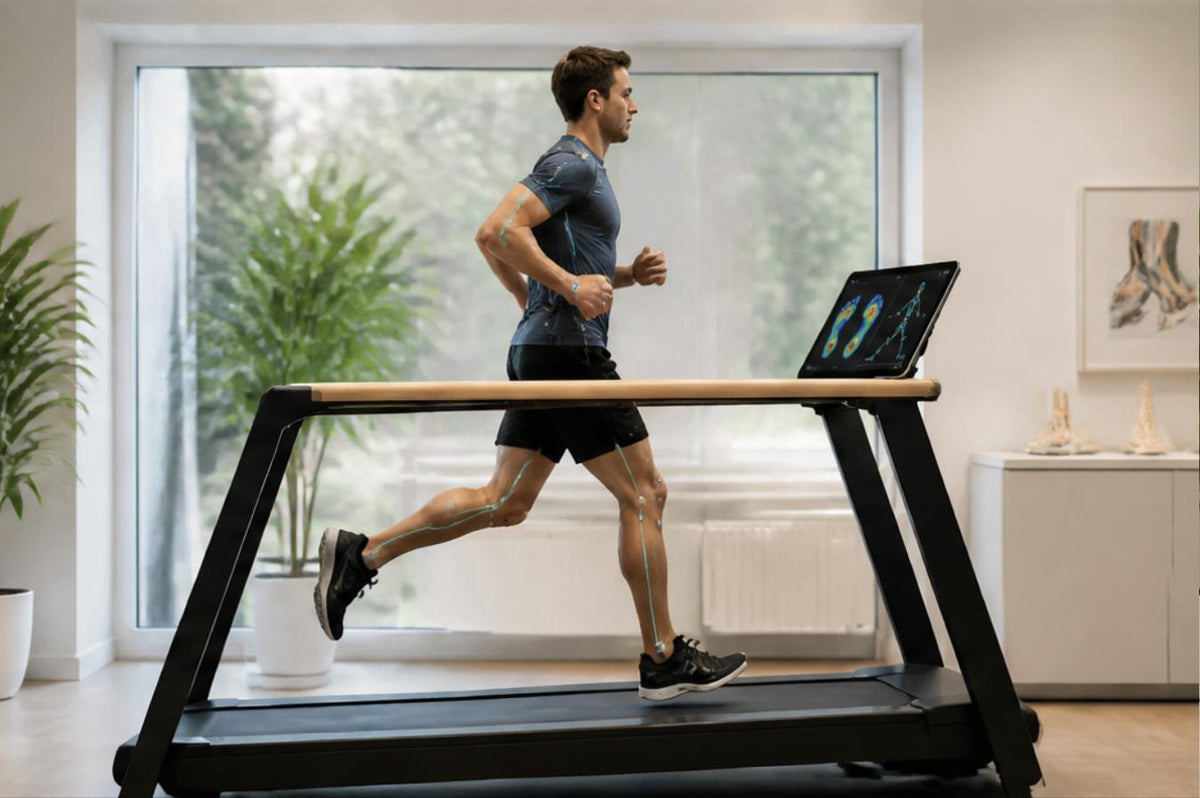
At this stage, identifying the true knee pain causes is key. By assessing how the lower leg, ankle, and surrounding structures are functioning together, we can determine whether the issue stems from overload, alignment, or underlying conditions. This allows us to create a targeted plan to relieve severe pain, restore movement, and help you return to activity with confidence.

Share:
1 comment
this is a good blog post