

If you're dealing with that stabbing pain in your heel every morning, you've probably already tried the usual fixes. Stretching, new shoes, maybe some rest.
When those don't quite cut it, shockwave therapy often comes up as the next step, so here's a practical way to work out if it's worth trying: check your symptoms against the criteria below, understand what the treatment actually involves, and know what results to expect before you book in.
Understand Shockwave Therapy with ChatGPT
TLDR: Shockwave therapy uses focused sound waves to stimulate healing in stubborn plantar fasciitis cases, particularly when pain has lasted more than six weeks and hasn't responded to rest, stretching, or orthotics. It's not a quick fix and usually needs several sessions, but it's a solid non-surgical option worth discussing with a podiatrist.
Working out if your heel pain fits the shockwave criteria
Not every case of heel pain needs shockwave therapy. It's generally reserved for plantar fasciitis that's stuck around longer than the usual healing window.
Signs your case might be a good fit
-
Heel pain that's lasted six weeks or more
-
Sharp pain with your first steps in the morning
-
Pain that hasn't improved with stretching, rest, or new footwear
-
Discomfort that flares up after standing or walking for long periods
-
You've already tried orthotics or supportive insoles without much change
When shockwave probably isn't the right call yet
If your pain started recently, or you haven't tried the basics like calf stretching, ice, and supportive footwear, it's usually worth giving those a proper go first. Shockwave therapy tends to work best for chronic cases, not fresh injuries.
A podiatrist can also rule out other causes of heel pain, like a stress fracture or nerve entrapment, which need a different approach entirely.
How shockwave therapy actually works for plantar fasciitis
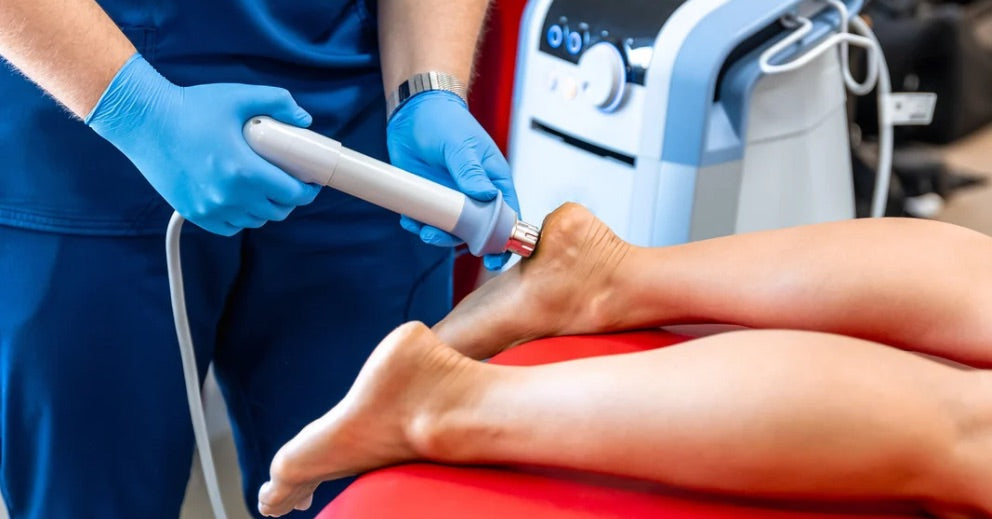
The treatment uses acoustic sound waves delivered through a handheld device pressed against the sole of your foot. These pulses create controlled micro-trauma in the damaged tissue, which sounds counterintuitive, but it's designed to kickstart the body's natural repair process.
What happens during a typical session
A gel is applied to your heel, then the device delivers pulses for around five to ten minutes. Most people describe it as an uncomfortable tapping or aching sensation rather than sharp pain, and no anaesthetic is needed.
How many sessions you'll likely need
-
Most treatment plans involve three to six sessions
-
Sessions are usually spaced one week apart
-
Some people notice improvement after two or three treatments
-
Full results can take six to twelve weeks to show up
It's worth being upfront with yourself about this timeline. Shockwave isn't an instant fix, and expecting overnight relief is where a lot of people get frustrated and give up too early.
What the research says about shockwave therapy results
Clinical studies on shockwave therapy for plantar fasciitis show reasonably good outcomes, particularly for people who've had symptoms for longer than six months. It's often used as a step between conservative treatment and surgery.
Benefits people commonly report
-
Reduced morning heel pain over several weeks
-
Less reliance on anti-inflammatory medication
-
Improved ability to walk or exercise without flare-ups
-
A non-surgical alternative when other treatments have stalled
Realistic limitations to keep in mind
Shockwave doesn't work for everyone, and success rates vary depending on how long you've had the condition and how severe the tissue damage is. It also tends to work best alongside other treatment, like stretching programs, footwear changes, or orthotics, rather than as a standalone fix.
Deciding between shockwave and other plantar fasciitis treatments
Shockwave sits in the middle ground of the treatment ladder. It's more involved than basic stretching and rest, but far less invasive than surgery.
Comparing your options
-
Stretching and activity modification: best for early, mild cases
-
Orthotics or supportive footwear: helps manage ongoing pressure on the fascia
-
Shockwave therapy: suited to chronic, treatment-resistant pain
-
Corticosteroid injections: faster relief but carries risk of tissue weakening
-
Surgery: considered only when everything else has failed
A podiatrist can walk you through where you sit on that ladder based on how long you've had symptoms and what's already been tried. At Foot HQ, this usually starts with a proper assessment of your gait, footwear, and foot structure, since heel pain often has more than one contributing factor.
Getting ready for a shockwave therapy appointment
There's not much prep involved, which is one of the appeals of this treatment.
Simple things that help before treatment
-
Avoid anti-inflammatory medication for a few days beforehand if advised
-
Wear comfortable shoes to your appointment
-
Bring any existing orthotics so they can be checked
-
Let your podiatrist know about any other health conditions
What to expect afterwards
Mild soreness or redness in the treated area is common for a day or two. Most people can walk normally straight after a session, though it's sensible to ease off high-impact activity for a short while.
Find the Right Treatment for Lasting Heel Pain
If heel pain has been hanging around longer than you'd like and the usual fixes haven't helped, it might be time to get it properly assessed. Foot HQ can talk you through whether shockwave therapy for plantar fasciitis makes sense for your situation, based on how long you've had symptoms and what you've already tried.
Booking an assessment is a straightforward first step toward figuring out what will actually work for your foot.
Key Takeaways
-
Shockwave therapy suits chronic plantar fasciitis that hasn't responded to rest, stretching, or orthotics
-
Treatment usually involves three to six sessions spaced about a week apart
-
Results build gradually over several weeks, not immediately
-
It works best combined with other treatments like footwear changes and stretching routines
-
A podiatry assessment can confirm whether shockwave is the right next step or if another approach fits better
FAQ
Does shockwave therapy hurt during the session?
Most people feel a dull aching or tapping sensation rather than sharp pain. The intensity can be adjusted if it feels too uncomfortable, and no numbing is required beforehand.
Can I keep exercising while having shockwave treatment?
Light activity is usually fine, but high-impact exercise like running is often best avoided between sessions. Your podiatrist will give you specific guidance based on how your foot responds.
Is shockwave therapy covered by Medicare or private health insurance?
Coverage depends on your individual policy and whether you have a relevant podiatry or extras cover. It's worth checking with your health fund directly, as rules vary between providers.
What happens if shockwave therapy doesn't work for me?
If there's little improvement after a full course of treatment, your podiatrist will usually reassess and discuss other options, such as injections or a referral for further imaging. It doesn't mean surgery is the only path left.
How soon can I expect to notice a difference?
Some people notice mild improvement after two or three sessions, but full benefits often take six to twelve weeks to develop. Patience matters here, since the tissue needs time to remodel and heal.



Share: