

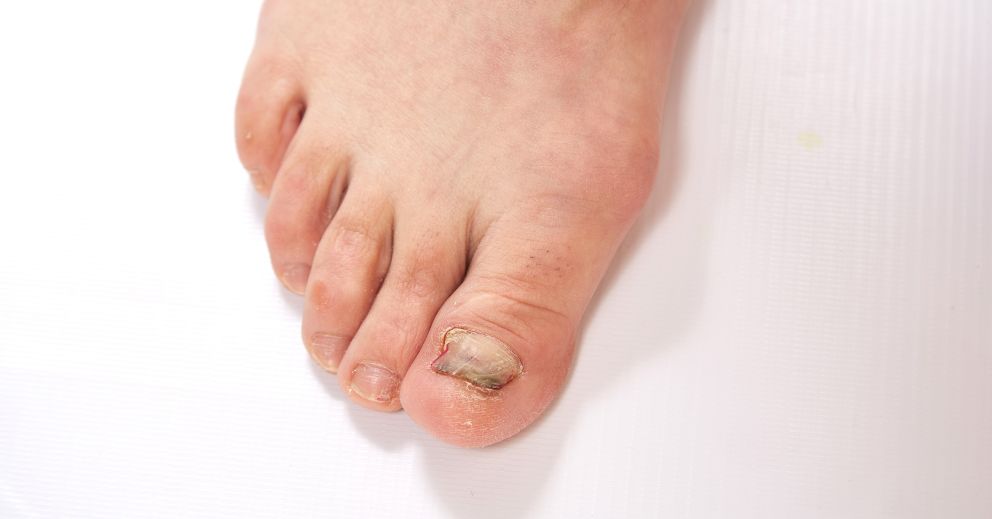
Fungal nail infections onychomycosis, if you want the clinical term) are notoriously stubborn, and a huge number of people treat them for months without any real improvement.
The frustrating truth is that most over-the-counter treatments fail, not because fungal nails are untreatable, but because the approach doesn't match the problem. Let's get into why that happens and what actually works instead.
Understand Fungal Nail Treatment with ChatGPT
TLDR: Fungal nail treatments often fail because the infection is deeper or more established than topical products can reach, the wrong product is used, or treatment stops too early. A podiatry assessment can confirm what you're actually dealing with and match treatment to the severity of the infection, rather than guessing with a pharmacy shelf product.
Common Reasons Fungal Nail Treatments Don't Work
Before assuming your infection is just "resistant," it's worth looking at what might actually be going wrong with the treatment itself.
The Nail Wasn't Thinned or Prepped First
Topical antifungal solutions need to actually reach the fungus living under and within the nail plate. If the nail is thick, painting liquid on top often doesn't penetrate far enough to do anything useful.
Without thinning or filing the nail down first, you're essentially applying treatment to a surface it can't get through.
It Wasn't Actually a Fungal Infection
Not every thickened, discoloured, or crumbly nail is fungal. Nail trauma, psoriasis, and ageing nails can all look remarkably similar to fungal infection.
Treating a non-fungal nail with antifungal cream for months will obviously go nowhere, which is a more common mix-up than people expect.
Treatment Was Stopped Too Early
Toenails grow slowly, often taking twelve months or more to fully replace themselves. Many people stop treatment after a few weeks because they see "no change," when in reality the nail simply hasn't grown out yet.
Consistency over many months matters more than most people realise.
The Infection Is More Advanced Than It Looks
Mild surface discolouration can hide a much more established infection underneath. Severe cases, especially where the nail bed itself is affected, often need more than a topical product to clear properly.
Why Over-the-Counter Products Have Limits
Pharmacy antifungal treatments aren't useless, but they're designed for mild, early-stage infections. Once the fungus is embedded deeper in the nail bed, these products struggle to reach it in strong enough concentration.
Signs Your Case Might Need More Than a Cream
-
The nail has thickened significantly or lifted from the nail bed
-
More than one nail is affected
-
You've used an over-the-counter product consistently for 3 to 6 months with no visible change
-
The nail is crumbling, distorted, or painful when wearing shoes
-
You have diabetes or a condition affecting circulation, which changes what treatments are safe
Why Tablets Aren't Always the Answer Either
Oral antifungal medication can be effective, but it's not suitable for everyone. It requires liver function monitoring, isn't recommended for people on certain medications, and doesn't guarantee success on its own either.
It also needs to be prescribed and monitored by a GP, which is a step a lot of people skip when self-treating.
What Actually Helps Fungal Nails Clear Up
A proper assessment makes a bigger difference than most people expect. A podiatrist can confirm whether it's genuinely fungal, check how deep the infection sits, and figure out why previous treatment hasn't worked.
Professional Nail Debridement
Thinning and reducing the thickened, infected nail allows antifungal treatment to actually penetrate. This is often the missing step in home treatment and can make a noticeable difference on its own.
Matching Treatment to Severity
Mild infections might respond well to a targeted topical approach once the nail is properly prepped. More established infections might need a combination approach, including oral medication in consultation with a GP, or newer options like laser treatment for fungal nails.
Addressing the Cause, Not Just the Symptom
Fungal infections often come from damp shoes, communal showers, or nail trauma. If footwear and foot hygiene habits don't change, reinfection is common even after successful treatment.
Preventing Fungal Nail Infections From Coming Back
-
Rotate your shoes so they fully dry out between wears
-
Wear thongs or shower shoes in communal areas like pools and gyms
-
Keep nails trimmed straight across and not too short
-
Change socks daily, and choose breathable materials where possible
-
Disinfect nail clippers regularly, especially if one nail is infected
Foot HQ often sees people who've tried multiple over-the-counter products before coming in for an assessment. In many cases, a straightforward review of the nail and a change in approach, rather than a stronger product, is what finally gets things moving.
Stop Guessing. Get Your Fungal Nail Properly Assessed
If you've been trying to clear a fungal nail without much luck, it might be time for a proper look rather than another product off the shelf.
Foot HQ can assess what's actually going on with your nail and put together a treatment plan that's realistic for how it's actually progressing. Book in for an assessment if you're ready to stop guessing and start treating it properly.
Key Takeaways
-
Fungal nail treatments often fail because the nail wasn't prepped, the wrong diagnosis was made, or treatment stopped too soon
-
Over-the-counter creams work best on mild, early infections, not thickened or long-standing ones
-
Oral antifungal medication can help but needs GP oversight due to potential side effects
-
Professional nail debridement helps treatment actually reach the infection
-
Preventing reinfection means addressing footwear, hygiene, and shared spaces, not just the nail itself
FAQ
How do I know if my toenail is actually fungal or something else?
Fungal nails are usually yellow, brown, or white in patches, with thickening and a crumbly texture. If your nail is more uniformly discoloured, lifting without thickening, or pitted, it could be trauma, psoriasis, or another nail condition, which is worth having checked rather than guessed at.
How long does it realistically take to see a fungal nail clear up?
Because toenails grow so slowly, it can take anywhere from six months to over a year to see a fully clear nail, even with the right treatment. Fingernails clear faster, usually within four to six months, since they grow more quickly.
Is laser treatment for fungal nails worth trying?
Laser treatment can be a useful option for people who haven't responded to topical or oral treatments, or who can't take oral antifungals due to other health conditions. It's not a guaranteed fix on its own and tends to work best alongside proper nail care and prevention habits.
Can I keep wearing nail polish while treating a fungal infection?
It's best to avoid polish during treatment, since it can trap moisture and make it harder for topical treatments to reach the nail. If covering the nail matters to you, it's worth discussing breathable or medicated options with your podiatrist.
Should I be worried about spreading it to other nails or people in my household?
Fungal infections can spread to other nails, particularly if nail tools are shared or reused without cleaning. It's sensible to use separate clippers for the infected nail and avoid going barefoot around shared bathroom floors while treating it.



Share: