

If you've typed something like "will orthotics fix my heel pain" into Google at 11pm after another day of limping around, you're not alone. Chronic heel pain has a habit of taking over daily life, from the first painful steps out of bed to the dull ache by the end of a work shift.
The honest answer is that custom orthotics can make a real difference for many people, but they're not a magic fix for everyone.
TLDR: Custom orthotics can significantly reduce chronic heel pain, especially when it's caused by issues like plantar fasciitis, poor foot mechanics, or uneven weight distribution. They work best as part of a broader treatment plan rather than a standalone cure. A podiatrist assessment helps determine whether orthotics are the right tool for your specific type of heel pain.
What's Actually Causing Your Heel Pain?
Heel pain isn't one single condition. It's a symptom, and figuring out what's behind it matters more than jumping straight to a solution.
Plantar Fasciitis
This is the most common cause of chronic heel pain, particularly that sharp, stabbing feeling with your first steps in the morning. It happens when the band of tissue running along the bottom of your foot becomes inflamed or irritated from repeated strain.
Heel Spurs
Sometimes a bony growth forms on the underside of the heel bone, often linked to long-term plantar fasciitis. The spur itself isn't always the painful part, it's usually the inflamed tissue around it.
Achilles Tendinopathy
Pain at the back of the heel, rather than underneath it, can point to problems with the Achilles tendon. This tends to show up more in people who run or play sport regularly.
Fat Pad Atrophy
As we age, the cushioning fat pad under the heel can thin out, leaving less natural shock absorption. This is more common in older adults and can feel like a deep bruise-like ache.
How Custom Orthotics Help With Heel Pain
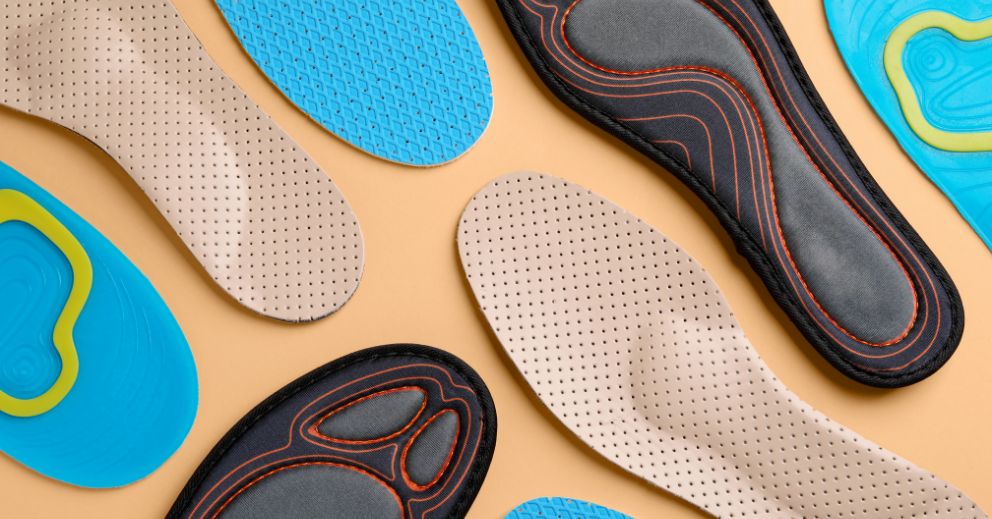
Custom orthotics are moulded to the specific shape of your feet, unlike the generic insoles you'd grab from a pharmacy shelf. They're designed to correct the way your foot moves and distributes pressure, which is often the root cause of ongoing heel pain.
Reducing Strain on the Plantar Fascia
Good orthotics support the arch properly, which takes pressure off the plantar fascia with every step. Less strain means less inflammation and, over time, less pain.
Correcting Foot Mechanics
Many people with chronic heel pain overpronate (roll the foot inward too much) or supinate (roll outward). Custom orthotics are built to correct this, which changes how force travels through your foot and heel.
Improving Shock Absorption
For people with thinning fat pads or jobs that involve a lot of standing or walking on hard surfaces, orthotics with extra cushioning can reduce the daily pounding your heels take.
Supporting Recovery Alongside Other Treatment
Orthotics tend to work best when paired with stretching, strengthening exercises, and sometimes changes to footwear. They're one part of a bigger picture rather than a standalone cure.
Who Gets the Best Results From Orthotics?
Not every case of heel pain responds the same way to orthotics. Understanding where you fit can set realistic expectations.
-
People with flat feet or high arches that affect how weight is distributed
-
Those whose heel pain is linked to biomechanical issues rather than a single injury
-
People on their feet for long hours, like retail workers, nurses, or tradies
-
Runners and active people dealing with repetitive strain
-
Older adults experiencing fat pad thinning
If your heel pain comes from a specific acute injury, a bone fracture, or a nerve issue, orthotics alone probably won't solve it. That's why a proper assessment matters before investing in a custom pair.
What to Expect From a Podiatry Assessment
Getting fitted for custom orthotics isn't as simple as picking a shape off a shelf. A thorough assessment looks at the full picture of how your feet work.
Gait Analysis
Watching how you walk and stand reveals a lot about where the pressure and strain is building up. This often happens on a treadmill or with pressure-mapping technology.
Medical History Review
Your podiatrist will ask about when the pain started, what makes it worse, and any previous injuries or conditions. This helps rule out causes that need different treatment altogether.
Foot Structure Assessment
Checking arch height, flexibility, and joint movement helps determine exactly what kind of support your orthotics need to provide.
Custom Moulding
Once the assessment is done, a mould or digital scan of your foot is taken to create orthotics shaped specifically for you, rather than a generic fit.
Orthotics vs Other Heel Pain Treatments
Orthotics are rarely used in isolation. Most effective treatment plans combine a few approaches.
-
Stretching and strengthening exercises for the calf and plantar fascia
-
Footwear changes to supportive, well-cushioned shoes
-
Rest and activity modification during flare-ups
-
Ice and anti-inflammatory measures for acute pain
-
Shockwave therapy for stubborn, long-standing cases
Custom orthotics tend to work as the long-term structural fix, while other treatments manage pain in the short term. Combining them generally gets better results than relying on just one method.
Getting Help With Chronic Heel Pain
Living with heel pain day after day wears you down more than people realise, and guessing at solutions can waste time and money.
The team at Foot HQ can assess what's actually driving your pain and whether custom orthotics make sense for your feet. Getting a proper diagnosis is the first real step toward walking without wincing again. Get in touch today.
Key Takeaways
-
Chronic heel pain has several possible causes, including plantar fasciitis, heel spurs, and Achilles issues
-
Custom orthotics work by correcting foot mechanics and reducing strain on the heel
-
They're most effective for biomechanical issues, not acute injuries or fractures
-
A proper podiatry assessment is needed to confirm orthotics are the right treatment
-
Orthotics usually work best combined with stretching, footwear changes, and other therapies
FAQ
How long does it take for orthotics to start helping with heel pain?
Most people notice some improvement within a few weeks, though full adjustment can take up to two to three months. Your body needs time to adapt to the changed mechanics, so patience matters here.
Do I need new orthotics if my heel pain comes back after a few years?
Orthotics can wear down over time, especially with daily use, and your foot structure can shift slightly as well. If old pain returns, it's worth getting them reassessed rather than assuming they've simply stopped working.
Can I wear custom orthotics in any type of shoe?
They generally work best in enclosed, supportive shoes with removable insoles, so thongs or very narrow shoes often aren't compatible. Your podiatrist can advise on footwear that will actually accommodate them properly.
Is heel pain from orthotics normal when I first start wearing them?
A short adjustment period with mild discomfort is common as your feet get used to the new support. Ongoing or worsening pain isn't normal though, and should be checked rather than pushed through.
What happens if orthotics don't fully resolve my heel pain?
Sometimes heel pain needs a combination approach, or there's an underlying issue that needs separate treatment. Your podiatrist can reassess and adjust the plan, whether that means tweaking the orthotics or adding other therapies.
Share: