

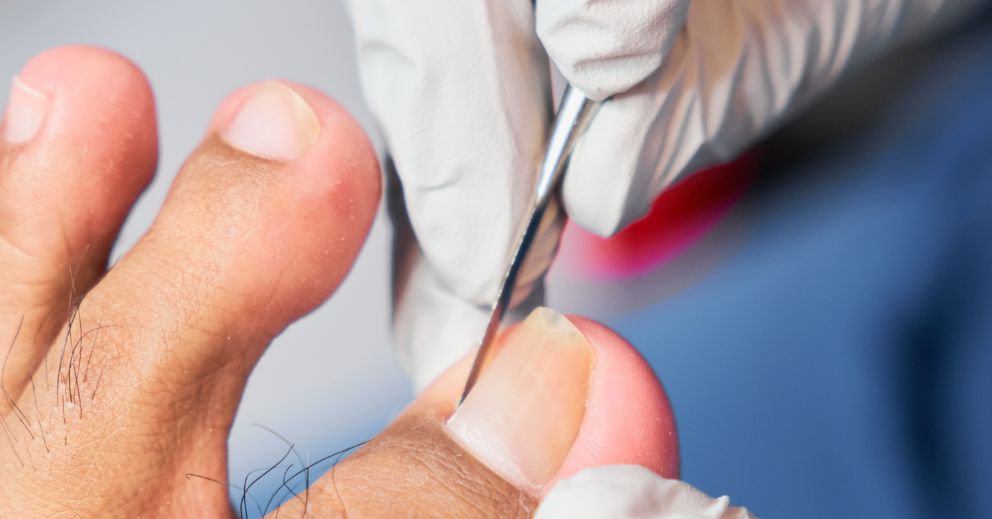
If you've dealt with an ingrown toenail before, you already know the drill. It clears up, you breathe a sigh of relief, and then a few months later there it is again, red and sore and ruining your favourite shoes. Here's the practical bit: fixing an ingrown toenail for good usually comes down to a few specific habits around cutting, footwear, and nail care, plus knowing when a quick visit to a podiatrist will save you months of frustration.
This guide walks through exactly why ingrown toenails keep returning and what steps actually break the cycle, rather than just treating the symptom each time it flares up.
TLDR: Ingrown toenails usually come back because the nail shape, cutting technique, or footwear causing the problem never actually changes. Trimming nails straight across, choosing shoes with enough toe room, and treating infections properly all help, but recurring or severe cases often need a podiatrist to remove the problem section of nail permanently.
What's Actually Happening When a Toenail Grows Inward
An ingrown toenail happens when the edge or corner of the nail digs into the surrounding skin instead of growing straight over it. The skin reacts the way it would to any splinter, with redness, swelling, and often a build-up of fluid or pus if bacteria get in.
It sounds like a small issue, but the skin around the nail doesn't heal properly while the nail edge is still pressing into it. That's the core reason these keep coming back. Treating the infection without addressing the nail shape or growth pattern just buys you time before the same spot flares up again.
Common Triggers
-
Cutting nails too short or rounding the corners
-
Shoes that are too tight across the toe box
-
Naturally curved or thick toenails
-
Repeated trauma from sport, running, or stubbing toes
-
Sweaty feet that soften the skin around the nail
Who Gets Them More Often
Some people are just more prone to ingrown toenails because of how their nails are shaped. If your nail naturally curves down at the edges rather than growing flat, you're more likely to see this recur no matter how carefully you trim.
People with diabetes, poor circulation, or nerve issues in their feet also need to be more cautious, since infections in that group can progress faster and need prompt attention.
Why Your Ingrown Toenail Keeps Returning
This is usually the frustrating part. You treat it, it heals, and then months later it's back in almost the same spot. There are a few reasons this cycle repeats.
The Nail Edge Was Never Fully Removed
A lot of home treatment focuses on calming the inflammation rather than dealing with the actual nail spike causing it. If a small sliver of nail is left embedded in the skin, it will keep irritating that area as it grows.
The Cutting Habit Hasn't Changed
If you're still cutting nails short and rounded at the corners, you're recreating the same conditions that caused the problem the first time. The nail edge needs somewhere to grow without catching on skin.
Footwear Pressure Is Still a Factor
Tight shoes, narrow toe boxes, or worn-out sport shoes put repeated pressure on the same nail edge. Over time that pressure pushes the nail back into the skin, even after it's healed from a previous flare-up.
Step-by-Step: How to Stop Ingrown Toenails for Good
Breaking the cycle takes a combination of better daily habits and, in some cases, a proper clinical fix. Here's the order most people need to work through.
-
Trim nails straight across rather than curving the corners, leaving the edge slightly longer than the skin fold.
-
Switch to shoes with enough room across the toes, especially for exercise or long days on your feet.
-
Keep feet dry and clean, changing socks daily and drying properly between toes.
-
Watch for early signs of redness or tenderness and treat straight away with warm salt water soaks.
-
If the same toe flares up more than once or twice, book in with a podiatrist for a proper assessment.
When Home Care Isn't Enough
Soaking, careful trimming, and better shoes solve a lot of mild cases. But if the nail keeps curving into the same spot no matter what you try, home care alone probably won't fix the underlying shape of the nail.
Signs You Need Professional Treatment
-
Pus, yellow discharge, or a strong smell from the toe
-
Swelling that spreads beyond the nail fold
-
Pain that stops you walking normally
-
The same toe flaring up three or more times a year
-
Diabetes or circulation issues alongside any ingrown nail symptoms
How Podiatrists Treat Recurring Ingrown Toenails
At Foot HQ, recurring ingrown toenails are usually dealt with through a minor in-clinic procedure rather than repeated rounds of home treatment. The goal is to remove the specific part of the nail that's causing the problem, so it simply doesn't grow back into the skin.
Partial Nail Avulsion
This involves removing the problematic edge of the nail under local anaesthetic. It's a quick procedure and most people are back in normal shoes within a day or two.
Permanent Nail Correction
For nails that keep curving in despite good care, a chemical or surgical treatment can be applied to the nail root on that edge so it stops regrowing in the same spot. This is the option most people turn to after multiple recurrences.
Ongoing Nail Care Advice
Alongside any procedure, a podiatrist will usually talk through cutting technique, footwear choices, and how to spot early warning signs, since prevention really is most of the battle here.
Ingrown Toenails Keep Coming Back? Explore Your Treatment Options
If ingrown toenails keep showing up no matter what you try, it might be time to deal with the cause rather than the symptom. The team at Foot HQ can assess the nail, talk through your options, and sort out a long-term fix so you're not back here again in a few months.
Key Takeaways
-
Ingrown toenails return when the nail shape, cutting habit, or footwear causing them hasn't changed
-
Straight-across cutting and roomier shoes prevent a lot of repeat cases
-
Pus, spreading swelling, or frequent flare-ups are signs it's time to see a podiatrist
-
Minor procedures like partial nail avulsion can stop the same toe from flaring up again
-
People with diabetes or circulation issues should get any ingrown nail checked promptly
FAQ
Is it normal for an ingrown toenail to come back in the exact same spot every time?
Yes, this is actually very common and usually points to the nail's natural growth pattern rather than bad luck. If one specific edge keeps curving into the skin, treating it permanently rather than repeatedly is often the better long-term option.
How long does recovery take after an ingrown toenail procedure?
Most people can return to normal closed-in shoes within a few days, though it depends on the extent of the treatment. Full healing of the nail fold typically takes a few weeks, during which keeping the area clean and dry matters most.
Can children get recurring ingrown toenails too?
Yes, children can develop ingrown toenails, often from tight school shoes or nails trimmed too short. The same principles apply, straight-across cutting and well-fitted shoes, though a podiatrist can advise on gentler treatment options suited to kids.
Will cutting a V-shape notch into the nail stop it growing inward?
This is a common home remedy, but there's no real evidence it changes how the nail grows underneath. It's best avoided in favour of proper trimming technique and professional treatment if the problem keeps recurring.
Does an ingrown toenail procedure hurt?
The area is numbed with local anaesthetic before any nail is removed, so the procedure itself isn't painful. Some mild tenderness for a day or two afterwards is normal and usually manageable with simple pain relief.
Share: