

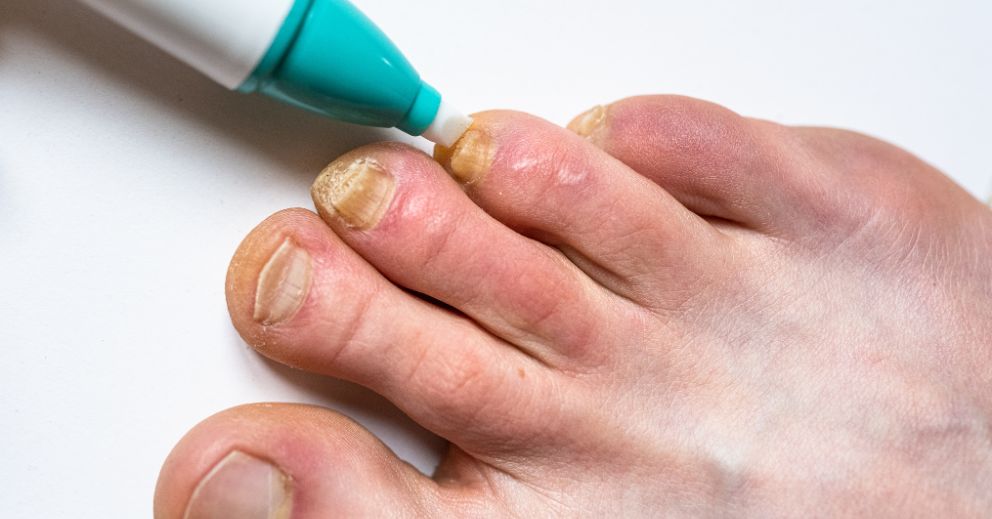
Fungal nail infections can be stubborn and frustrating. Even after treatment, many people find the infection returns months later, often without a clear reason why.
Recurring fungal nail infections are common, but with the right preventative approach, they can often be avoided. Prevention is just as important as treatment when it comes to long-term results.
Summary: Preventing recurring fungal nail infections involves addressing moisture, hygiene, footwear, and nail care habits. Fungal infections thrive in warm, damp environments, so keeping feet clean, dry, and well maintained is essential. With consistent care and early intervention, the risk of reinfection can be significantly reduced.
Why fungal nail infections keep coming back
Fungal nail infections are caused by microorganisms that thrive in moist, enclosed environments. Even after treatment, fungi can linger on skin, footwear, nail tools, or surrounding surfaces.
Common reasons infections recur include:
-
Wearing the same shoes without proper drying
-
Ongoing moisture from sweat
-
Incomplete or inconsistent treatment
-
Poor nail trimming or hygiene habits
-
Untreated fungal skin infections spreading back to the nails
Without addressing these underlying factors, reinfection is more likely.
Keep feet clean and dry
Moisture control is one of the most important steps in prevention. Fungi thrive in damp conditions, particularly around the toes and nails.
Helpful habits include:
-
Washing feet daily and drying thoroughly, especially between toes
-
Changing socks daily, or more often if feet sweat heavily
-
Choosing breathable socks made from moisture-wicking materials
-
Allowing shoes to fully dry between wears
Reducing moisture makes the environment far less hospitable for fungal growth.
Choose the right footwear
Tight, enclosed shoes can trap heat and moisture around the nails. Footwear choices play a major role in preventing recurrence.
Where possible:
-
Rotate shoes to allow drying time
-
Choose well-ventilated or breathable footwear
-
Avoid wearing damp shoes
-
Use antifungal sprays or powders in shoes if recommended
Footwear hygiene is often overlooked but is critical for long-term prevention.
Maintain proper nail care
Nail care habits can either reduce or increase infection risk.
Good practices include:
-
Keeping nails trimmed straight and not too short
-
Avoiding sharing nail clippers or files
-
Disinfecting nail tools regularly
-
Avoiding picking or damaging nails
Damaged nails are more vulnerable to infection, making gentle care essential.
Treat fungal skin infections promptly
Athlete’s foot and other fungal skin infections can easily spread to the nails. Treating skin infections early helps prevent them from becoming a recurring source of nail infection.
If you notice itching, peeling, or redness on the skin, addressing it quickly can help protect your nails.
Be consistent with treatment plans
Fungal nail infections often require long-term treatment. Stopping treatment too early, even if the nail looks better, increases the risk of recurrence.
Following professional advice and completing recommended treatment courses improves success and reduces the chance of reinfection.
When to seek professional help
If fungal nail infections keep returning despite good hygiene and care, professional assessment is recommended. Persistent infections may require targeted treatment and guidance tailored to your specific situation.
Early intervention can prevent the infection from spreading, worsening, or becoming more difficult to treat.
Clear, Effective Treatment for Fungal Nail Infections
If recurring fungal nail infections are affecting your comfort or confidence, the right professional care can make a lasting difference. Foot HQ provides expert podiatry services focused on both effective treatment and long-term prevention, helping you stay comfortable and move with confidence.
To find out your treatment options or arrange an appointment, get in touch with the Foot HQ team and take the next step towards healthier nails.
Key takeaways
-
Fungal nail infections often recur due to moisture and reinfection
-
Keeping feet clean and dry is essential
-
Footwear hygiene plays a major role in prevention
-
Proper nail care reduces infection risk
-
Professional advice supports long-term success
FAQs
Can fungal nail infections come back after treatment?
Yes. Without preventative measures, reinfection is common.
Do I need to throw out my shoes?
Not always, but shoes should be dried thoroughly and treated if they may harbour fungi.
How long does it take for a healthy nail to grow back?
Toenails grow slowly and can take several months to fully replace an infected nail.
Share: