
Corns and calluses are both common foot problems, and at a glance they can look pretty similar. They’re both areas of thickened skin caused by repeated pressure or friction, and they often show up when something about the way your foot moves or the way your shoes fit isn’t quite right.
Even though they’re easy to confuse, corns and calluses aren’t the same thing. They tend to form in different areas, feel different, and need slightly different treatment. Knowing which one you’re dealing with matters because the wrong approach can leave the pain unresolved and the problem coming back.
Summary: Corns and calluses are both caused by repeated pressure and friction, but they’re not identical. Corns are usually smaller, more localised, and often painful, especially when they press into the skin over bony areas. Calluses are generally broader, flatter patches of thickened skin that form to protect the foot from ongoing rubbing or pressure. While both can be linked to footwear, foot structure, or the way you walk, proper treatment depends on identifying the real cause. A podiatrist can tell the difference, safely remove the thickened skin, and help prevent it from returning with the right treatment and footwear advice.
What are corns?
Corns are small, concentrated areas of thickened skin that usually develop over bony parts of the foot. They often have a hard centre that presses into the deeper layers of skin, which is why they can become quite painful.
Corns commonly form:
-
on the tops of toes
-
between toes
-
on the sides of toes
-
on pressure points where shoes rub
Because they’re more focused and compact than calluses, they tend to feel sharp or tender when pressure is applied.
What are calluses?
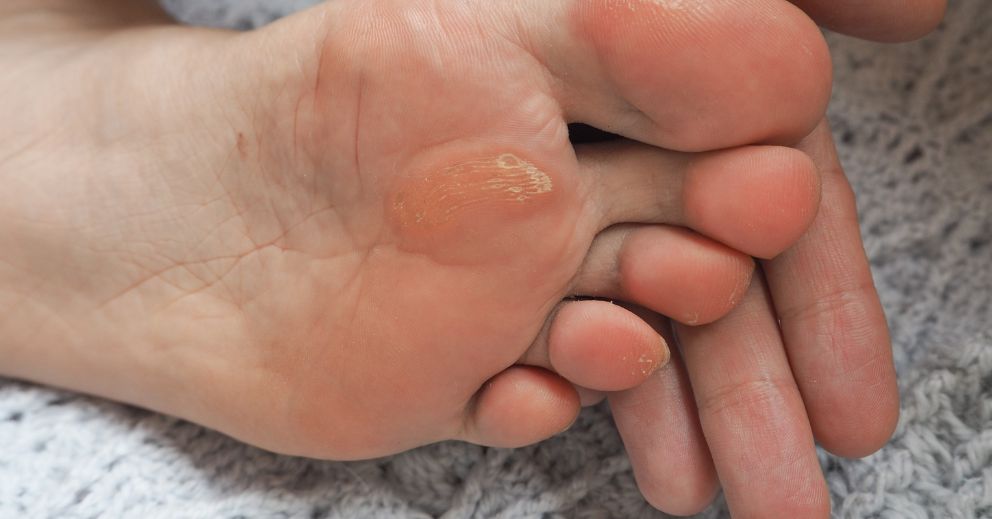
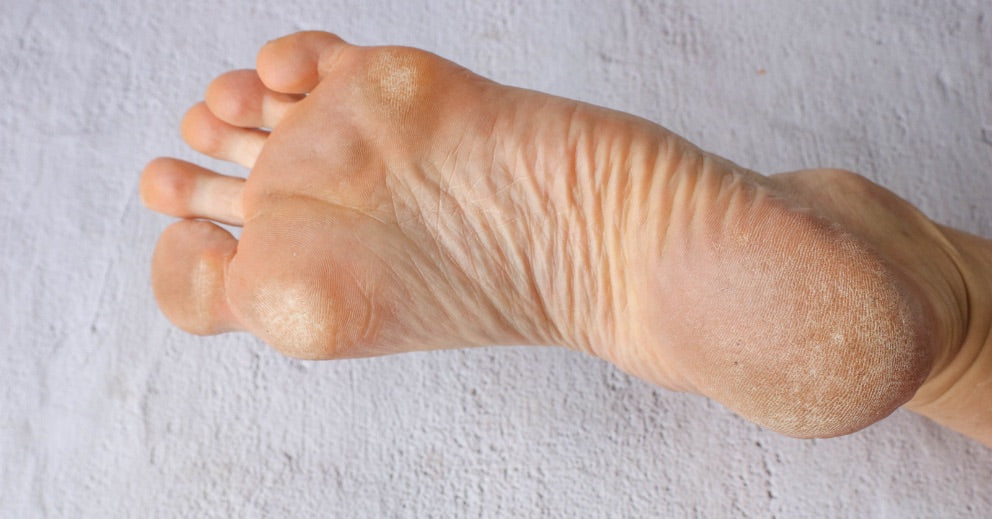
Calluses are broader, flatter patches of thickened skin that develop in response to repeated pressure or rubbing. They’re the body’s way of protecting the skin, especially in areas that take a lot of load during walking or standing.
Calluses often appear:
-
on the ball of the foot
-
on the heel
-
under the big toe
-
along weight-bearing areas of the sole
They’re usually less sharply painful than corns, but they can still become uncomfortable, dry, cracked, or tender if they build up too much.
The main difference between corns and calluses
The biggest difference comes down to size, shape, and how they feel.
Corns are smaller and more painful
Corns are more localised and tend to have a dense centre. They often hurt more because they press inward, especially when they’re sitting over a bony area or squeezed by footwear.
Calluses are larger and more spread out
Calluses usually cover a wider area and feel more like rough, thickened skin. They’re often linked to pressure from walking, standing, or foot mechanics rather than a single rubbing point.
Why do corns and calluses happen?
Both happen because of repeated pressure or friction, but the reason behind that pressure can vary from person to person.
Common causes include:
-
shoes that are too tight or rub in certain spots
-
high heels or narrow toe boxes
-
foot deformities such as bunions or hammertoes
-
flat feet or high arches
-
the way your foot moves when walking
-
spending long periods on your feet
-
not wearing socks with certain shoes
In other words, the thickened skin is usually a symptom of another issue. If the cause isn’t addressed, the corn or callus is likely to come back.
Why it matters to know which one you have
This is where things become important. Corns and calluses might both seem like thick skin, but they don’t always respond the same way.
A painful corn may need pressure relief around a very specific point. A callus, on the other hand, may be a sign that your foot is taking too much load in one area every time you walk.
If you treat only the surface skin and ignore the cause, you may get short-term relief but not a lasting result. That’s why proper diagnosis matters, especially if the area is painful, keeps returning, or affects how you walk.
Signs it might be a corn
You may be dealing with a corn if the area:
-
is small and well-defined
-
feels hard in the centre
-
is painful when pressed directly
-
forms on or between the toes
-
hurts in tight shoes
Signs it might be a callus
It may be a callus if the area:
-
is wider and flatter
-
feels rough or thick rather than sharply painful
-
forms on the sole, heel, or ball of the foot
-
develops where your foot takes repeated pressure
-
becomes dry, cracked, or uncomfortable over time
Why you shouldn’t try to cut them yourself
A lot of people try to shave, scrape, or cut thickened skin at home. That can be risky, especially if you take too much off, use the wrong tools, or have an underlying condition that affects healing.
Trying to treat corns and calluses yourself can lead to:
-
cuts and infection
-
more pain
-
skin damage
-
the problem returning quickly
-
missing another condition that looks similar
This is especially important for people with diabetes, poor circulation, or reduced feeling in the feet, as even small skin injuries can become serious.
How a podiatrist treats corns and calluses
A podiatrist doesn’t just remove the hard skin. They look at why it’s forming in the first place.
Treatment may include:
-
safely debriding the thickened skin
-
relieving pressure from the area
-
assessing footwear
-
checking your gait and foot mechanics
-
using padding or offloading strategies
-
recommending orthotics if needed
-
treating related foot problems such as bunions or toe deformities
This gives you a much better chance of lasting relief rather than temporary improvement.
When to see a podiatrist
It’s worth booking an appointment if:
-
the area is painful
-
it keeps coming back
-
walking is becoming uncomfortable
-
the skin is cracking
-
you’re unsure whether it’s a corn, callus, or something else
-
you have diabetes or circulation issues
The earlier you get it checked, the easier it usually is to manage.
Getting the right treatment for painful feet
Corns and calluses can seem minor, but they can become surprisingly uncomfortable when they build up or keep returning. More importantly, they often point to an underlying issue with pressure, footwear, or foot function that needs attention.
At Foot HQ, our podiatrists treat corns, calluses, heel pain, ankle injuries, ingrown toenails, fungal nails, sports injuries, and more. With experienced care, practical treatment options, and a focus on affordable, effective results, we help you get on top of foot problems quickly so you can live and walk pain-free.
If you’re dealing with painful hard skin on your feet, visit Foot HQ to book an appointment and get the right diagnosis and treatment.
Key takeaways
-
Corns and calluses are both caused by repeated pressure or friction.
-
Corns are usually smaller, more localised, and often more painful.
-
Calluses are generally broader, flatter, and found on weight-bearing areas of the foot.
-
The right treatment depends on identifying the cause, not just removing the thickened skin.
-
Footwear, foot shape, and walking mechanics can all contribute to the problem.
-
A podiatrist can safely treat corns and calluses and help stop them from coming back.
FAQ
Are corns and calluses caused by the same thing?
They’re both caused by repeated pressure or friction, but they tend to form in different ways and in different areas. Corns are more likely to form over specific pressure points, while calluses usually develop across broader weight-bearing areas.
Do corns and calluses go away on their own?
Sometimes they improve if the source of pressure is removed, but many keep coming back if the underlying issue isn’t addressed. That’s especially true if it’s related to footwear or foot mechanics.
Why does my corn hurt more than my callus?
Corns often have a dense centre that pushes into the deeper skin layers, which can make them feel sharper and more painful than a callus.
Can a callus turn into a corn?
Not exactly, but both are responses to pressure and friction. A person can have both at the same time, especially if there are multiple pressure points on the foot.
Is it safe to use corn pads from the chemist?
Some products can irritate the surrounding skin, especially if used incorrectly. They’re not suitable for everyone, particularly people with diabetes, poor circulation, or sensitive skin. It’s best to get proper advice before using them.
When should I see a podiatrist for a corn or callus?
You should get it checked if it’s painful, keeps returning, affects walking, cracks, or if you’re not sure what it is. A podiatrist can diagnose it properly and treat it safely.


Share: