


Flat feet are more common than many people realise. For some people, they cause no real issues. For others, they can lead to ongoing discomfort, fatigue when walking, or pain that spreads into the ankles, knees, hips, or even the lower back. If you’ve been dealing with these problems, you’ve probably heard about custom orthotics as a possible solution.
But are they actually worth it? And do they really make a difference compared to standard shoe inserts? The answer depends on the cause of your flat feet, the symptoms you’re experiencing, and how your feet move when you walk.
Understanding how custom orthotics work can help you decide whether they’re the right option for improving your comfort and keeping you active.
Summary: Custom orthotics are specially designed shoe inserts created to support the unique shape and movement of your feet. For people with flat feet, they can help improve alignment, reduce strain on joints, and relieve common issues such as heel pain, arch pain, ankle instability, and fatigue when walking or standing. While generic inserts may provide temporary comfort, custom orthotics are designed specifically for your foot structure and gait, which often leads to better long-term results. A podiatry assessment can determine whether custom orthotics are necessary and help identify other treatments that may support pain-free movement.
What are flat feet?
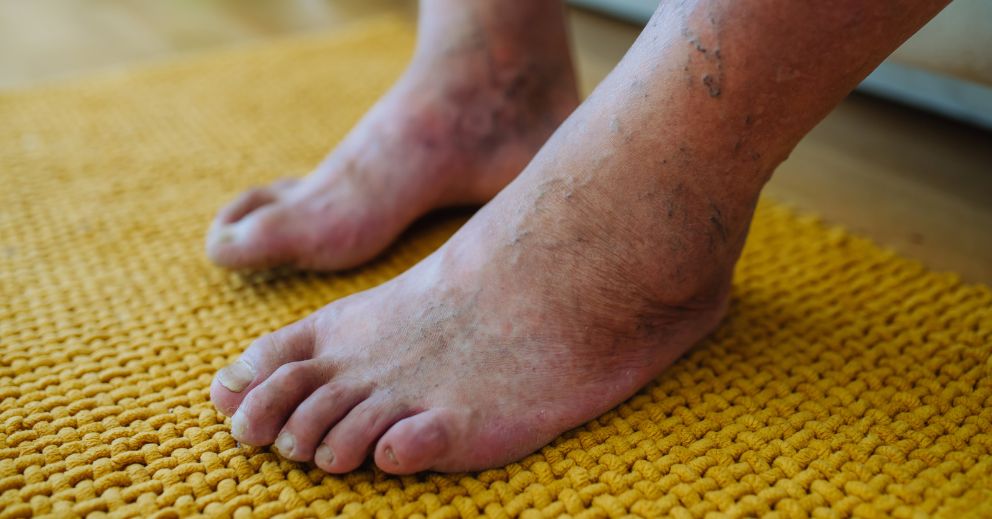
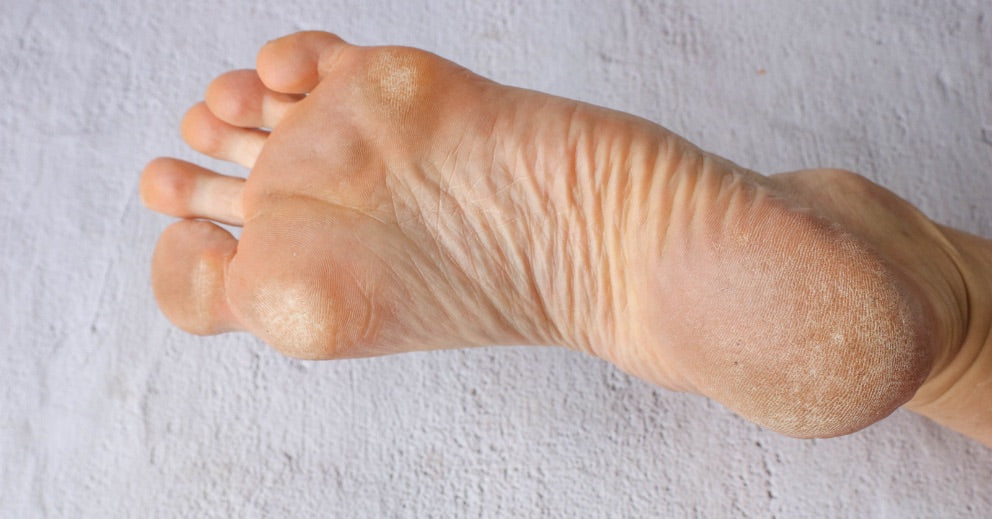
Flat feet, also known as fallen arches, occur when the arch of the foot collapses or sits very low against the ground. Instead of having a noticeable curve through the midfoot, the entire sole may appear to touch the floor when standing.
This can change how your body absorbs impact when you walk or run.
Some people are born with flat feet, while others develop them gradually due to factors such as:
-
genetics
-
ageing
-
injuries
-
muscle weakness
-
pregnancy
-
long periods of standing
-
certain medical conditions
Flat feet don’t always cause pain, but when they do, the discomfort often shows up during daily activities like walking, exercising, or standing for long periods.
Symptoms often linked to flat feet
Not everyone with flat feet experiences symptoms, but when problems develop, they can affect several areas of the body.
Common signs include:
-
arch pain or soreness
-
heel pain
-
tired or aching feet after standing or walking
-
ankle instability
-
pain along the inside of the ankle
-
knee, hip, or lower back discomfort
-
shoes wearing unevenly
Because the feet form the foundation of your posture and movement, even small changes in foot mechanics can affect the rest of the body.
What are custom orthotics?
Custom orthotics are medical-grade inserts designed specifically for your feet. Unlike off-the-shelf inserts, they’re made based on a detailed assessment of your foot structure, gait, and pressure patterns.
A podiatrist typically evaluates:
-
how your feet move when you walk
-
your arch height and foot shape
-
areas of high pressure or imbalance
-
your posture and alignment
Using this information, orthotics are designed to support your feet in a way that improves how they function during movement.
How custom orthotics help flat feet
Flat feet often lead to overpronation, where the foot rolls inward more than it should while walking or running. This can place extra stress on the ankles, knees, and surrounding muscles.
Custom orthotics help by:
-
supporting the arch
-
improving foot alignment
-
redistributing pressure across the foot
-
stabilising the heel
-
reducing strain on joints and tendons
By guiding your foot into a more balanced position, orthotics can help reduce pain and improve comfort during everyday activities.
Custom orthotics vs over-the-counter inserts
Many people try store-bought shoe inserts first. While these can provide some cushioning, they’re not designed to address the specific mechanics of your feet.
Here’s how they compare.
Over-the-counter inserts:
-
general cushioning
-
one-size-fits-many design
-
limited structural support
-
may provide short-term relief
Custom orthotics:
-
tailored to your individual foot structure
-
designed to correct movement patterns
-
made from durable materials
-
often more effective for long-term issues
For mild discomfort, generic inserts may help. But for ongoing pain or structural problems, custom orthotics usually provide more targeted support.
Are custom orthotics worth the investment?
For many people with flat feet, the answer is yes, especially when symptoms are affecting daily life.
Orthotics can help:
-
reduce foot and heel pain
-
improve walking and running comfort
-
support injury recovery
-
prevent further strain on joints
-
improve posture and movement patterns
They’re particularly valuable for people who spend long hours on their feet, play sports regularly, or experience recurring foot injuries.
When custom orthotics might be recommended
A podiatrist may suggest custom orthotics if you experience:
-
persistent foot pain
-
recurring heel pain
-
ankle instability
-
shin splints
-
knee pain linked to foot mechanics
-
fatigue when standing or walking
Orthotics are often part of a broader treatment plan that may also include exercises, footwear advice, or injury management.
What to expect during a podiatry assessment
If you’re considering orthotics, the first step is a professional assessment. This allows the podiatrist to understand exactly how your feet function.
A typical assessment may include:
-
a physical examination of your feet and ankles
-
a walking or gait analysis
-
pressure mapping or scanning
-
discussion about your symptoms and activity levels
This helps determine whether orthotics are the best option and ensures they’re designed correctly for your needs.
Other treatments that may help flat feet
Orthotics can be highly effective, but they’re often combined with other treatments to achieve the best results.
These may include:
-
strengthening exercises for the feet and ankles
-
stretching programs
-
footwear recommendations
-
treatment for related injuries
-
activity modification during recovery
A tailored treatment plan can help address both the symptoms and the underlying cause of your discomfort.
Getting the right support for your feet
If flat feet are causing ongoing pain or limiting your ability to stay active, it’s worth having them assessed by a podiatrist. Early treatment can prevent symptoms from worsening and help you move more comfortably.
At Foot HQ, experienced podiatrists assess foot mechanics, treat a wide range of foot conditions, and provide tailored solutions including custom orthotics, injury treatment, and preventative care. With the right support and treatment plan, you can reduce pain and get back to walking and living comfortably.
Book an appointment and take the first step toward pain-free movement.
Key takeaways
-
Flat feet can change how your body absorbs impact when walking or running.
-
Some people experience no symptoms, while others develop pain in the feet, ankles, knees, or back.
-
Custom orthotics are designed specifically for your foot structure and walking pattern.
-
They can improve alignment, support the arch, and reduce strain on joints.
-
While store-bought inserts may provide temporary comfort, custom orthotics often provide more effective long-term support.
-
A podiatry assessment helps determine whether orthotics are the right treatment for your specific needs.
FAQ
Do flat feet always need orthotics?
Not necessarily. Some people with flat feet don’t experience pain or movement problems. Orthotics are typically recommended when flat feet cause discomfort, instability, or related injuries.
How long do custom orthotics last?
Most custom orthotics last between two and five years depending on how often they’re used, the materials they’re made from, and your activity level.
Can orthotics help with heel pain?
Yes. Heel pain, particularly plantar fasciitis, is often linked to poor foot mechanics. Orthotics can help support the arch and reduce strain on the plantar fascia.
Do custom orthotics fit in any shoes?
They fit best in supportive shoes with removable insoles. Your podiatrist may recommend footwear that works well with your orthotics.
Are custom orthotics only for athletes?
No. Orthotics can benefit anyone experiencing foot pain, alignment issues, or discomfort during everyday activities like walking or standing.
Will orthotics cure flat feet?
Orthotics don’t permanently change the structure of your feet, but they help support proper alignment and reduce symptoms by improving how your feet function during movement.


Share: