

Warts on the feet can be stubborn, uncomfortable, and frustrating to treat. Many people try over-the-counter treatments first, only to find the wart sticking around for months or even spreading. If you’ve been dealing with a persistent plantar wart, you might be wondering which treatment option is actually the most effective.
Two of the most common approaches used by podiatrists are laser wart removal and traditional wart treatments. Both methods can work, but they operate in very different ways and may suit different situations depending on the size, location, and severity of the wart.
Understanding the difference between these treatments can help you choose the option that gives you the best chance of clearing the problem quickly and safely.
Summary: Warts on the feet, also known as plantar warts, are caused by a viral infection that enters the skin through small breaks or pressure points. While some warts may disappear on their own, many become painful or persistent without treatment. Traditional wart treatments usually involve topical acids, freezing, or debridement, while laser therapy targets the wart tissue more precisely using concentrated light energy. Laser treatment can often provide faster and more targeted results, especially for stubborn warts that haven’t responded to other methods. A podiatrist can assess the wart and recommend the most appropriate treatment to remove it safely and reduce the risk of recurrence.
What are plantar warts?
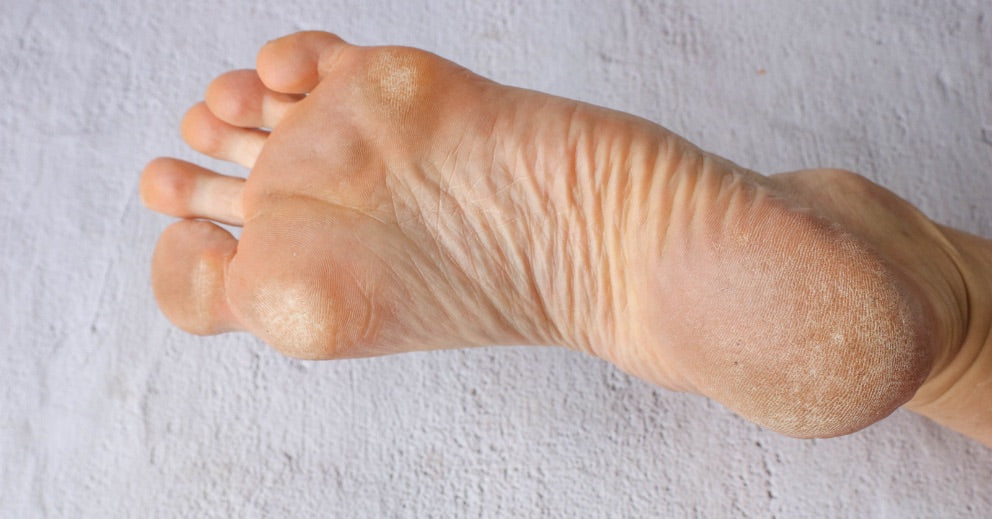
Plantar warts are small, rough growths that develop on the soles of the feet. They’re caused by the human papillomavirus (HPV), which enters the skin through tiny cuts or weak points in the surface.
Because they appear on weight-bearing areas of the foot, plantar warts are often pushed inward by pressure from standing or walking. This can make them feel quite tender.
Common signs of a plantar wart include:
-
a rough, grainy patch on the sole of the foot
-
a thickened area of skin that may resemble a callus
-
small black dots within the wart (tiny clotted blood vessels)
-
pain when standing or walking
-
discomfort when squeezing the area from the sides
Without treatment, warts may persist for long periods and sometimes spread to nearby skin.
Traditional wart removal treatments
Traditional wart treatments are usually the first approach used by healthcare professionals. These methods aim to gradually destroy the infected tissue and stimulate the immune system to fight the virus.
Common traditional treatments include:
Topical acid treatments
Salicylic acid or similar solutions are applied directly to the wart. These treatments slowly break down the thick layers of infected skin over time.
They can be effective, but they often require consistent use over several weeks or months.
Cryotherapy (freezing)
Cryotherapy involves freezing the wart using liquid nitrogen. The extreme cold damages the wart tissue, causing it to gradually die and fall away.
This treatment may need to be repeated several times depending on how the wart responds.
Debridement
Podiatrists sometimes carefully remove layers of hardened wart tissue using specialised instruments. This reduces pressure and can make other treatments more effective.
Debridement is often used alongside other therapies rather than as a standalone solution.
How laser wart removal works
Laser wart removal uses concentrated light energy to target the blood supply feeding the wart. By disrupting this blood flow, the laser damages the infected tissue and helps the body clear the wart.
The treatment is very precise and focuses directly on the wart without affecting much of the surrounding skin.
Laser therapy is often recommended for:
-
stubborn warts that haven’t responded to other treatments
-
deeper plantar warts
-
recurring infections
-
painful warts affecting walking or sport
Because the treatment targets the root of the wart more directly, it can sometimes reduce the number of sessions needed.
Laser vs traditional wart treatment: key differences
Both approaches aim to remove the wart and allow healthy skin to recover, but the treatment experience can be quite different.
Treatment speed
Traditional treatments often take longer because they work gradually. Laser therapy can sometimes produce quicker results, particularly for resistant warts.
Precision
Laser treatment is highly targeted and focuses directly on the wart’s blood supply. Traditional treatments tend to affect a broader area of skin.
Number of sessions
Topical treatments and cryotherapy may require multiple appointments over several weeks. Laser therapy may need fewer sessions in some cases, though this depends on the size and depth of the wart.
Suitability for stubborn warts
Laser therapy is often used when standard treatments haven’t worked or when the wart keeps returning.
Comfort during treatment
Different people respond differently to treatments. Some traditional methods may cause mild discomfort, while laser therapy may create a brief sensation of heat. Your podiatrist will explain what to expect and ensure the treatment is appropriate for you.
Which treatment is better?
There isn’t a single answer that suits everyone. The best option depends on several factors, including:
-
how long the wart has been present
-
the size and depth of the wart
-
whether previous treatments have failed
-
the location of the wart on the foot
-
how painful the wart is during daily activities
For smaller or newly developed warts, traditional treatments may work well. For persistent or painful warts, laser therapy may offer a more effective option.
A podiatrist can assess the wart and recommend the treatment most likely to resolve it efficiently.
Why professional treatment matters
It can be tempting to keep trying home remedies when a wart doesn’t go away, but professional treatment often leads to faster results.
Warts that are left untreated can:
-
become more painful
-
spread to other parts of the foot
-
spread to other people
-
become thicker and harder to treat
Early podiatry care can help remove the wart safely and reduce the risk of recurrence.
How podiatrists treat warts at Foot HQ
At Foot HQ, experienced podiatrists assess the type of wart, its location, and how long it has been present before recommending the most suitable treatment approach.
Whether you’re dealing with plantar warts, heel pain, ingrown toenails, sports injuries, or fungal nail infections, the team provides comprehensive podiatry care focused on fast and effective results.
With modern treatment options and highly qualified podiatrists, Foot HQ aims to help patients overcome foot conditions quickly so they can return to normal daily activities without discomfort.
Book an appointment now and take the next step towards pain-free feet.
Key takeaways
-
Plantar warts are caused by a viral infection that affects the skin on the soles of the feet.
-
Traditional treatments include topical acids, cryotherapy, and debridement.
-
Laser wart removal targets the wart’s blood supply using focused light energy.
-
Laser treatment can be especially helpful for stubborn or recurring warts.
-
The best treatment option depends on the size, location, and persistence of the wart.
-
A podiatrist can assess the condition and recommend the most effective treatment plan.
FAQ
Are plantar warts contagious?
Yes. The virus that causes plantar warts can spread through direct contact or shared surfaces such as pool areas, gym floors, and communal showers.
Do plantar warts go away on their own?
Sometimes they do, but this can take months or even years. Professional treatment often speeds up the process and reduces discomfort.
Is laser wart removal painful?
Most people tolerate laser treatment well. You may feel a brief sensation of heat during the procedure, but podiatrists take steps to keep the treatment as comfortable as possible.
How many treatments are needed for wart removal?
This varies depending on the size and depth of the wart. Some cases resolve after a small number of sessions, while others may require ongoing treatment.
Can warts come back after treatment?
It’s possible, as the virus can remain in the skin. Proper treatment and follow-up care help reduce the risk of recurrence.
Should I see a podiatrist for a plantar wart?
Yes. A podiatrist can accurately diagnose the wart, rule out other skin conditions, and recommend the most effective treatment to remove it safely.


Share: